Preventing Alzheimer's and Dementia
Understanding Alzheimer's Disease
What is Alzheimer's Disease?
Alzheimer's disease is the most common cause of dementia, a general term for a decline in mental ability severe enough to interfere with daily life. It's a progressive brain disorder that slowly destroys memory and thinking skills and, eventually, the ability to carry out the simplest tasks.
Alzheimer's disease is the biological process that begins with the appearance of a buildup of proteins in the form of amyloid plaques and neurofibrillary tangles in the brain.
Unlike the normal memory lapses that can happen with age, Alzheimer's involves the death of brain cells and a loss of connections between them. This leads to a steady decline in cognitive function. The changes are physical and profound, fundamentally altering the brain's structure.
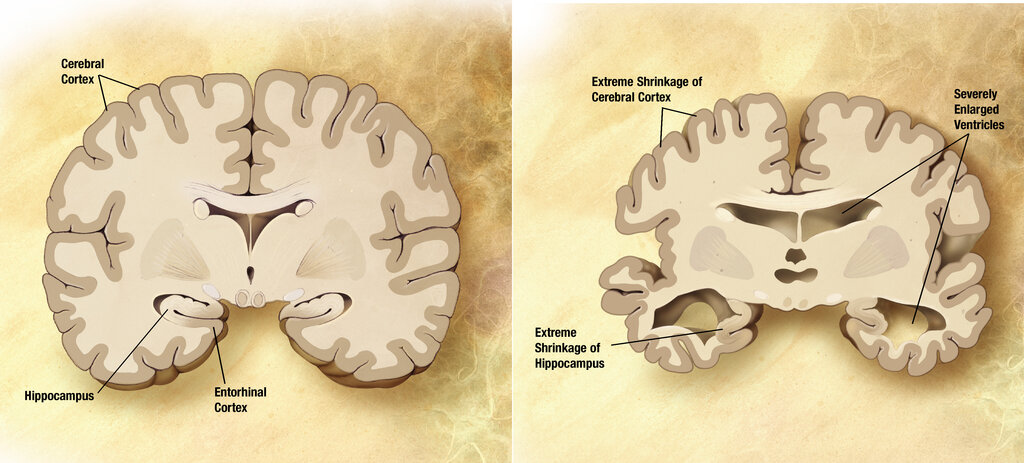
Early signs can be subtle. Someone might have trouble remembering new information, because the disease typically damages the part of the brain involved in learning first. As it advances, symptoms become more severe and can include disorientation, mood and behavior changes, confusion about events, time, and place, and difficulty speaking, swallowing, and walking.
The Brain Under Attack
To understand Alzheimer's, we need to look at what's happening at a microscopic level inside the brain. The disease is characterized by two main culprits that disrupt the work of neurons, the specialized cells that process and transmit information.
Researchers trying to understand the cause of Alzheimer's disease are focused on the role of two proteins:
The first is beta-amyloid, a protein fragment that, in a healthy brain, is broken down and eliminated. In Alzheimer's, these fragments accumulate to form hard, insoluble clumps called amyloid plaques between neurons. These plaques disrupt cell-to-cell communication.
The second is tau, a protein that normally helps stabilize the internal skeleton of neurons. In Alzheimer's, tau proteins change shape and organize themselves into structures called neurofibrillary tangles. These tangles block the neuron's transport system, harming the communication between brain cells.
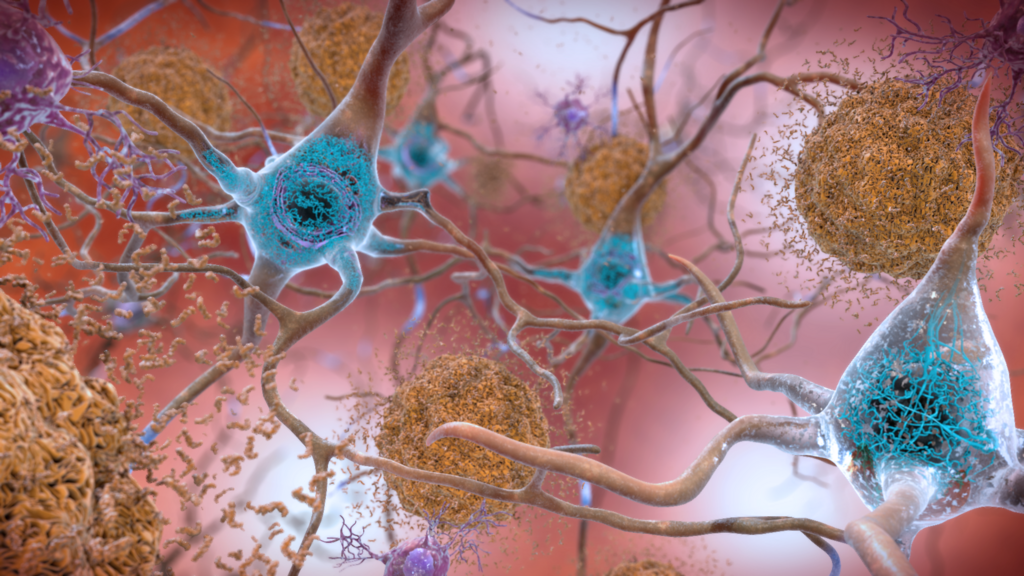
This combination of plaques and tangles is toxic to the brain. As neurons get sick and die, brain regions begin to shrink, and the connections between them are lost. This process is what causes the cognitive decline seen in people with Alzheimer's.
Stages of the Disease
Alzheimer's progresses over time, but the rate of progression varies from person to person. The disease is often described in three general stages: mild, moderate, and severe.
In the mild stage, a person may still function independently. They can drive, work, and be part of social activities. However, they may feel as if they are having memory lapses, such as forgetting familiar words or the location of everyday objects.
The moderate stage is typically the longest and can last for many years. As the disease progresses, the person with Alzheimer's will require a greater level of care. They may confuse words, get frustrated or angry, and act in unexpected ways, such as refusing to bathe. Damage to nerve cells in the brain can also make it difficult for them to express thoughts and perform routine tasks.
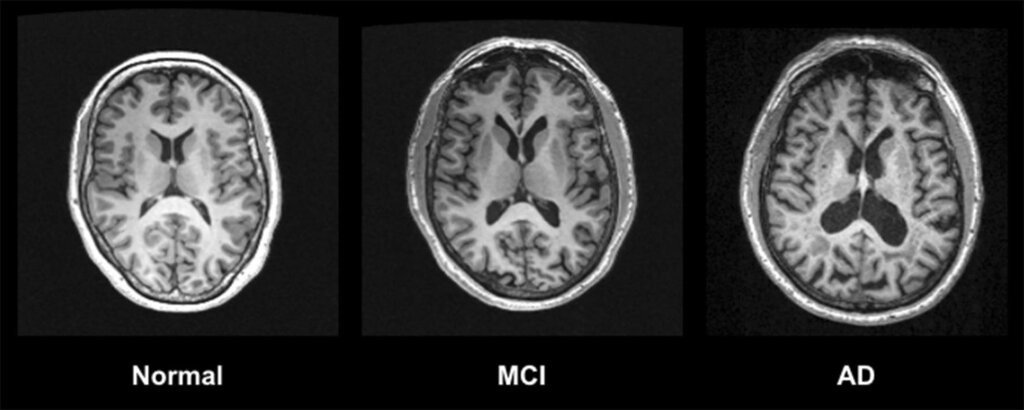
In the severe stage, individuals lose the ability to respond to their environment, to carry on a conversation and, eventually, to control movement. As memory and cognitive skills continue to worsen, significant personality changes may take place, and individuals need extensive help with daily activities. They may have difficulty walking, sitting, and, eventually, swallowing.
Causes and Risk Factors
Scientists believe that for most people, Alzheimer's disease is caused by a combination of genetic, lifestyle, and environmental factors that affect the brain over time. The exact cause isn't fully understood, but some key risk factors have been identified.
| Risk Factor | Description |
|---|---|
| Age | The greatest known risk factor. The likelihood of developing Alzheimer's doubles about every five years after age 65. |
| Family History & Genetics | Having a parent or sibling with Alzheimer's increases your risk. Scientists have identified several risk genes, with APOE-e4 being the strongest. |
| Head Trauma | There appears to be a link between serious head injury and future risk of Alzheimer's. |
| Cardiovascular Health | The health of the brain is closely linked to the health of the heart. Conditions like high blood pressure, high cholesterol, and diabetes can increase risk. |
It's important to note that having a risk factor doesn't mean a person will definitely develop the disease. It simply means the chances are higher. Research continues to explore how these factors might interact to trigger the changes in the brain that lead to Alzheimer's.