Presidential Scandals and Public Perception
Introduction to Presidential Affairs
The Private Lives of Public Figures
The presidency of the United States is one of the most public jobs in the world. Every decision, speech, and policy is scrutinized. But what about the president's private life? Throughout American history, the personal conduct of the commander-in-chief has often become a subject of intense public interest, particularly concerning extramarital affairs.
Extramarital Affair
noun
A romantic or sexual relationship between a married person and someone other than their spouse.
This isn't a modern phenomenon. Allegations of affairs have followed presidents since the nation's earliest days. However, what has changed dramatically over time is how these stories are treated by the press and perceived by the public. For much of American history, a so-called "gentleman's agreement" existed among journalists to keep a president's private life out of the headlines, unless it directly interfered with their public duties.
The line between a president's private behavior and public responsibility has always been blurry, and it has been redrawn many times throughout history.
The Oval Office Setting
Affairs involving presidents are one thing, but those alleged to have occurred within the White House itself carry a different weight. The Oval Office is more than just a workspace; it's a powerful symbol of the American presidency. It represents stability, authority, and the trust placed in the nation's leader.
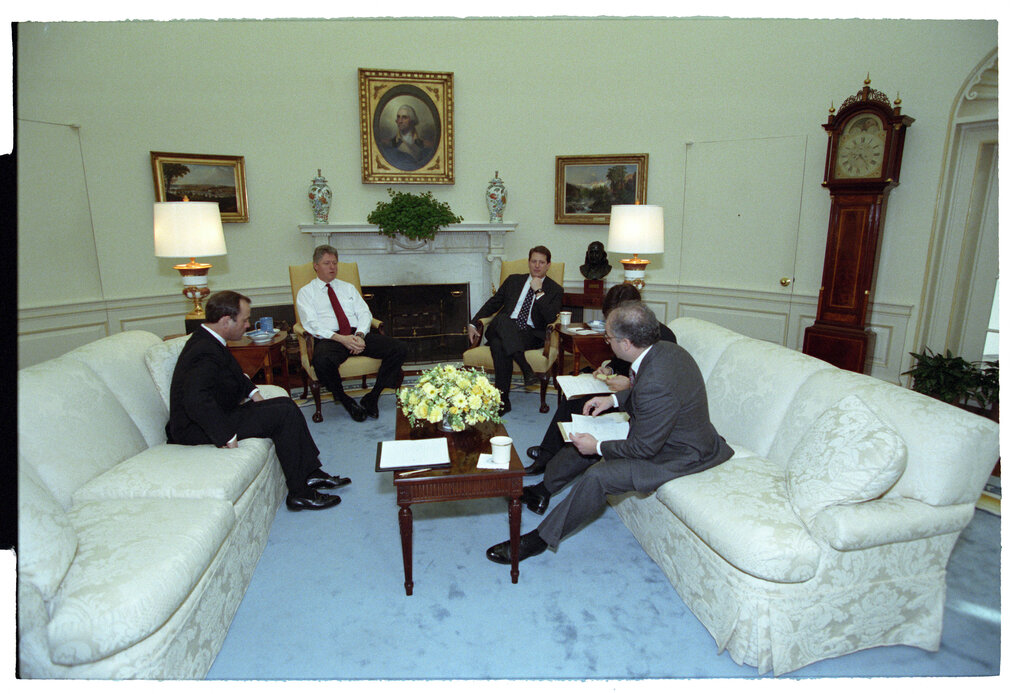
When personal scandals breach the walls of this symbolic space, they often spark a more intense public reaction. The location itself can transform a private indiscretion into a matter of national concern, raising questions about judgment, character, and the use of power.
Shifting Public Opinion
Public perception of these affairs has evolved alongside changes in societal norms and media technology. In the 19th and early 20th centuries, such stories were often confined to rumors and whispers. The press was less aggressive, and the public had limited access to information.
The rise of 24-hour news, the internet, and social media changed everything. The private lives of public figures became more accessible, and the media's role shifted from gatekeeper to amplifier. What might have remained a rumor in 1924 could become a global headline in 1998.
Today, the public is more likely to be aware of a president's personal conduct, but opinions on its importance vary widely. Some believe a president's private life is irrelevant to their ability to govern, while others see it as a direct reflection of their character and fitness for office. This debate continues to shape political discourse and influence how we view our leaders.
Let's check your understanding of these introductory concepts.
What was the historical "gentleman's agreement" among journalists concerning a president's private life?
Why does a presidential scandal that takes place within the White House often cause a more intense public reaction?
This historical context sets the stage for examining specific cases and their impact on the presidency and the nation.