Preschool Music Games
Understanding Preschoolers
The Preschooler's Mind
Preschoolers, typically between the ages of 3 and 5, are not just small adults. Their brains are wired to learn in specific, fascinating ways. They are concrete thinkers, meaning they understand the world through what they can see, touch, and experience directly. Abstract concepts are still out of reach. If you talk about a beat, they need to feel it by clapping their hands or stomping their feet.
This is also the age of blossoming imagination. A simple box can become a drum, and a song can become a journey to the jungle. This capacity for symbolic thought is a powerful tool. They also learn through repetition. Singing the same simple song over and over isn't boring for them; it's how they build confidence and internalize patterns, which is a foundational skill for both music and math.
A World of Feelings
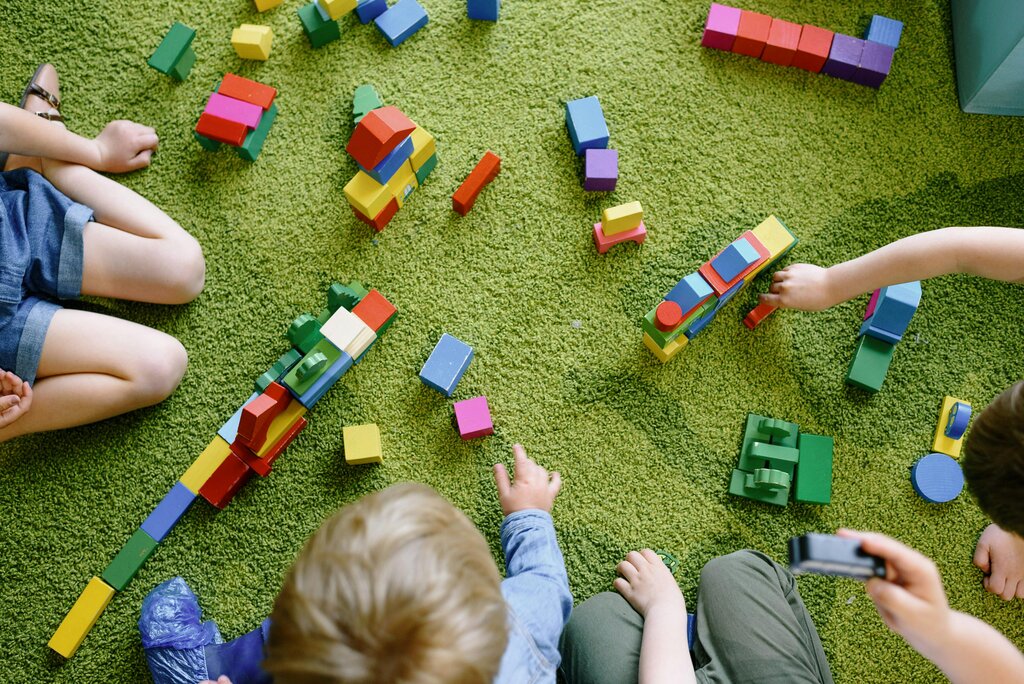
Socially and emotionally, preschoolers are on a rollercoaster. They are moving from playing alongside others (parallel play) to playing with others (cooperative play). This transition is bumpy. Sharing, taking turns, and waiting are all skills they are actively, and often loudly, learning.
Their world is still very much centered on themselves, a concept known as egocentrism. However, the seeds of empathy are starting to sprout. They can recognize basic emotions like happiness or sadness in others, even if they don't fully understand the cause. Music can be a safe space to explore these feelings. A fast, loud song can express excitement, while a slow, quiet melody can convey calmness. Group music activities provide a structured way to practice social skills like waiting for a turn to play an instrument or moving together as a group.
Child development is a beautifully complex process that spans multiple domains—cognitive, social, emotional, and physical.
Little Bodies in Motion
Preschoolers are bundles of energy. Their large muscles, used for running, jumping, and dancing, are developing rapidly. These gross motor skills are their primary way of interacting with the world. They learn by doing and moving. Any musical activity that sits still for too long is a missed opportunity.
At the same time, their fine motor skills are still being refined. The small muscles in their hands and fingers are getting stronger, allowing them to clap, point, and eventually hold small instruments or mallets. Activities that require precise, complex finger movements can be frustrating, but simple actions like tapping a drum or shaking a maraca are perfect for building coordination and confidence.
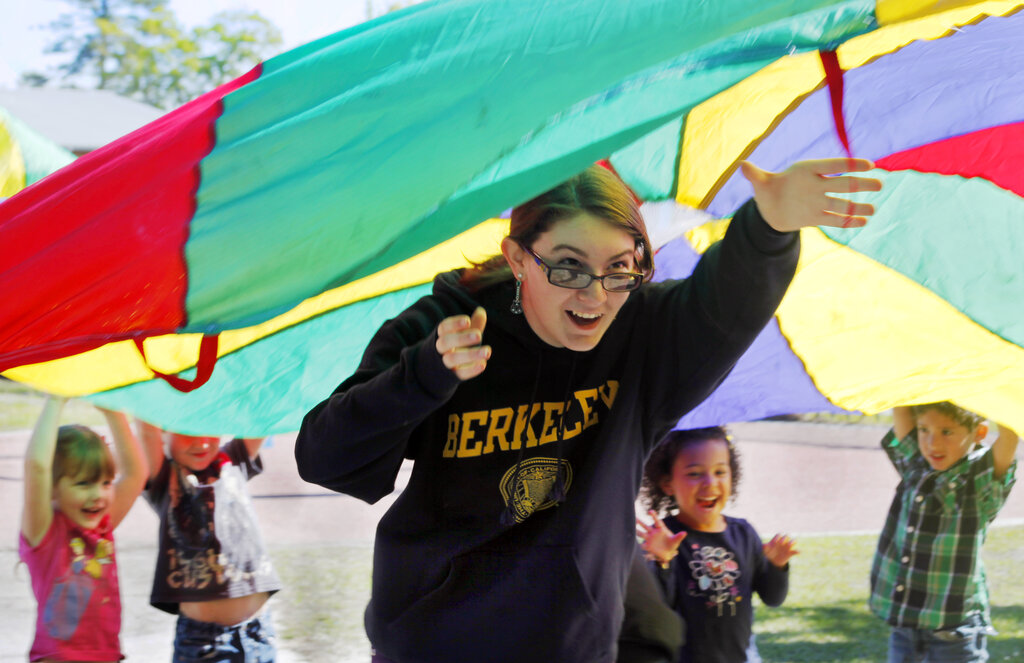
Finally, remember their attention spans. A preschooler can typically focus on a single, adult-led activity for about 5 to 10 minutes. This doesn't mean they can only learn for that long. It means activities need to be short, engaging, and varied. A good approach is to string together several short musical games or change the tempo and energy frequently to hold their interest.
Understanding these developmental realities is the first step. By designing musical experiences that meet them where they are cognitively, emotionally, and physically, we can create activities that aren't just fun, but are truly effective for learning.