Preschool Foundations
Language Development
The World of Words
At four years old, a child's brain is like a sponge for language. They're not just learning new words; they're figuring out how to share their ideas, feelings, and funny stories. The best way to help them is to simply talk, read, and listen together. Think of it less as teaching and more as a conversation that lasts all day.
Vocabulary building happens naturally when you make it part of your routine. Narrate what you're doing, whether you're slicing carrots for dinner or sorting laundry. Use rich, descriptive words. Instead of saying, "Here's your apple," try, "Here is your crunchy, red apple." This simple habit introduces new adjectives and makes language more colorful and interesting.
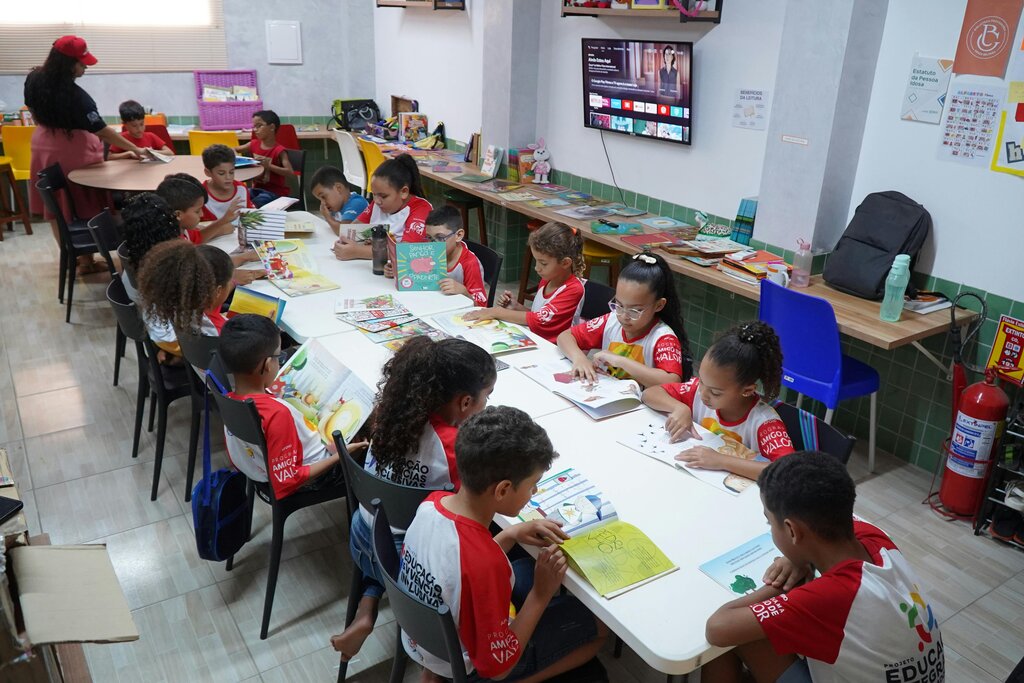
Reading books together is another fantastic tool. You don't have to just read the words on the page. Pause and talk about the pictures. Ask questions like, "What do you think will happen next?" or "Why does that bear look so surprised?" This makes reading an interactive experience and builds a bigger vocabulary.
From Words to Sentences
As your four-year-old's word bank grows, they'll start stringing those words into longer, more complex sentences. Your role here is to be a model, not a critic. When they say something, you have a great opportunity to show them how to expand on their thoughts.
If your child says, "Doggy run," you can respond, "Yes, the big brown doggy is running so fast! Where do you think he's going?"
This technique, called expansion, does two things. It validates what your child said and shows them a more detailed way to express the same idea. It also encourages them to think more deeply by asking a follow-up question. You're gently guiding them toward richer sentence structures without directly correcting them.
Listening and Responding
Communication is a two-way street. Building strong listening skills is just as important as learning to speak. Good listening comprehension helps children follow directions, understand stories, and participate in conversations. You can practice this skill in simple, fun ways throughout the day.
Try giving two-step directions, like "Please get your shoes and put them by the door." This challenges their working memory and attention. When reading a story, stop and ask simple questions about what just happened. This checks if they're following the plot. Playing games like "Simon Says" is another playful way to sharpen listening skills.
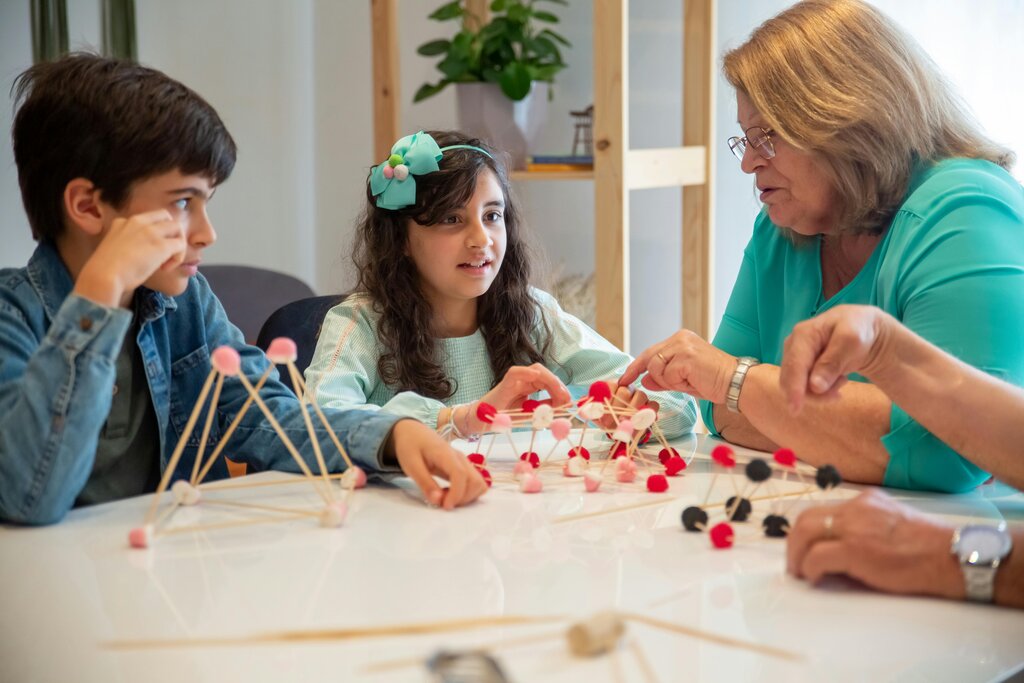
Expressive language is all about helping your child share the busy world inside their head. Encourage them to tell you about their day. Ask open-ended questions that require more than a "yes" or "no" answer. Instead of "Did you have fun at the park?" ask, "What was the most fun thing you did at the park today?" This invites them to create a narrative, use new vocabulary, and form more complex sentences.
Talking with children is also critical when they are involved in guided play as a way of helping them to develop their language and world knowledge.
Let's check what we've learned with a few questions.
When a four-year-old says, "Doggy run," what is the best way to respond to encourage their language development?
Which of the following is an example of an open-ended question that promotes expressive language?
The goal is to foster a love of communication. By creating a supportive and word-rich environment, you give your child the tools and confidence they need to express themselves.