Prepare Sterile Normal Saline
Introduction to Normal Saline
What is Normal Saline?
You’ve probably seen it in hospitals or on medical TV shows: the clear liquid in an IV bag. More often than not, that liquid is normal saline. It’s one of the most common intravenous (IV) fluids used in medicine. At its core, normal saline is a simple solution of sodium chloride—the same chemical as table salt—dissolved in sterile water.
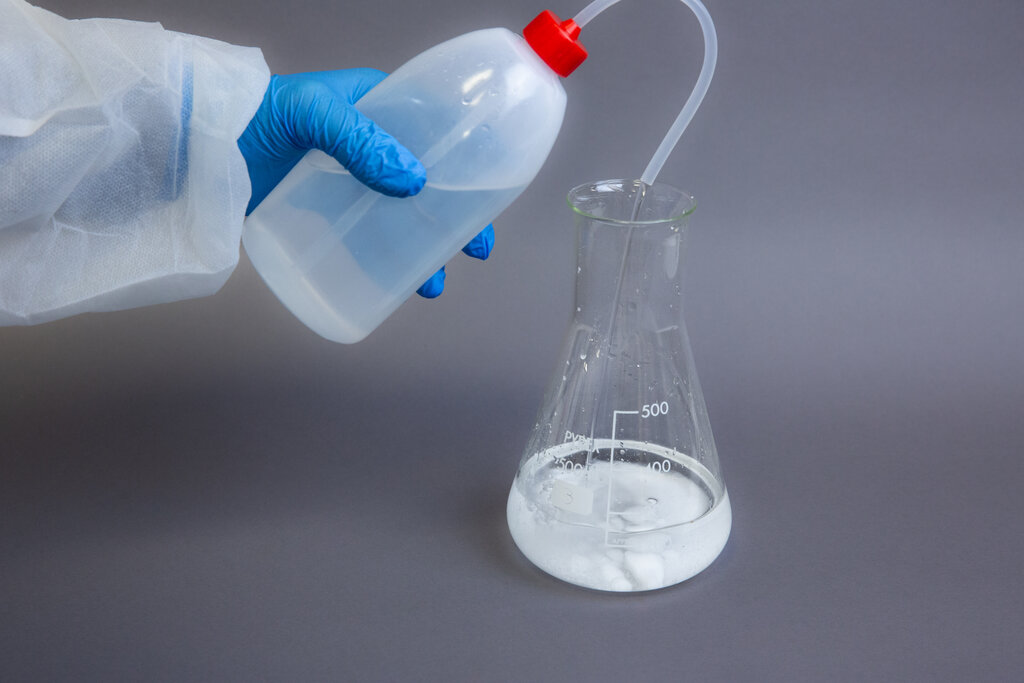
The concentration is very specific: 0.9% sodium chloride by weight. This means for every 1000 milliliters of water, there are 9 grams of salt. This seemingly small detail is incredibly important for how our bodies react to the solution.
Just Right for Your Body
Why the 0.9% concentration? It comes down to a property called tonicity. Normal saline is an isotonic solution. This means it has a similar concentration of dissolved particles, or solutes, as the fluids inside our bodies, like blood plasma and the fluid surrounding our cells.
Think of it like this: your cells are comfortable in their natural environment. If you introduce a fluid that’s too different, it can cause problems.
If a solution were hypertonic (more concentrated than your body fluids), it would draw water out of your cells, causing them to shrivel. If it were hypotonic (less concentrated), water would rush into your cells, causing them to swell and possibly burst. Normal saline is isotonic, so it doesn’t cause these dramatic shifts. It maintains a stable environment for your cells, making it physiologically compatible and safe to introduce directly into the bloodstream.
A Medical Workhorse
Because it's so compatible with the human body, normal saline has many uses in medicine.
Hydration and Electrolyte Balance Its most common use is to combat dehydration and restore fluid levels. Whether a patient has lost fluids from vomiting, diarrhea, or surgery, saline provides water and essential electrolytes—sodium and chloride ions—that are vital for nerve function, muscle contraction, and maintaining blood pressure.

Medication Delivery Normal saline also acts as a carrier fluid. Many intravenous medications are potent and need to be diluted before being administered. Doctors and nurses mix the medication into a bag of saline, allowing it to be delivered slowly and safely into the patient's bloodstream. The saline solution acts as a vehicle, ensuring the drug is distributed evenly and at a controlled rate.
It's also used to flush IV lines and catheters. Before and after giving a medication, a small amount of saline is pushed through the IV to clear out any leftover drugs and ensure the line remains open and functional.
What is the primary reason that a 0.9% concentration of sodium chloride is used for normal saline?
If a patient were given a hypertonic IV solution, what would happen to their cells?
This simple solution of salt and water is a cornerstone of modern medicine, playing a critical role in patient care across countless situations.