Prepare for Natural Childbirth
Understanding Natural Birth
What Is Natural Birth?
At its core, natural birth is about letting the body's innate processes guide labor and delivery with minimal medical intervention. This approach is often defined by the absence of pain-relieving medications like epidurals. However, it's more than just avoiding certain drugs. It's a philosophy centered on trusting the body's ability to give birth.
Someone choosing a natural birth path often prepares to manage pain through techniques like breathing exercises, changing positions, massage, and hydrotherapy. The goal is to work with the body's rhythms rather than overriding them. This path emphasizes that labor is a normal, physiological process, not a medical emergency.
Natural birth isn't about being a hero. It's about viewing childbirth as a natural event and preparing to navigate its intensity with support and coping strategies.
The Stages of Labor
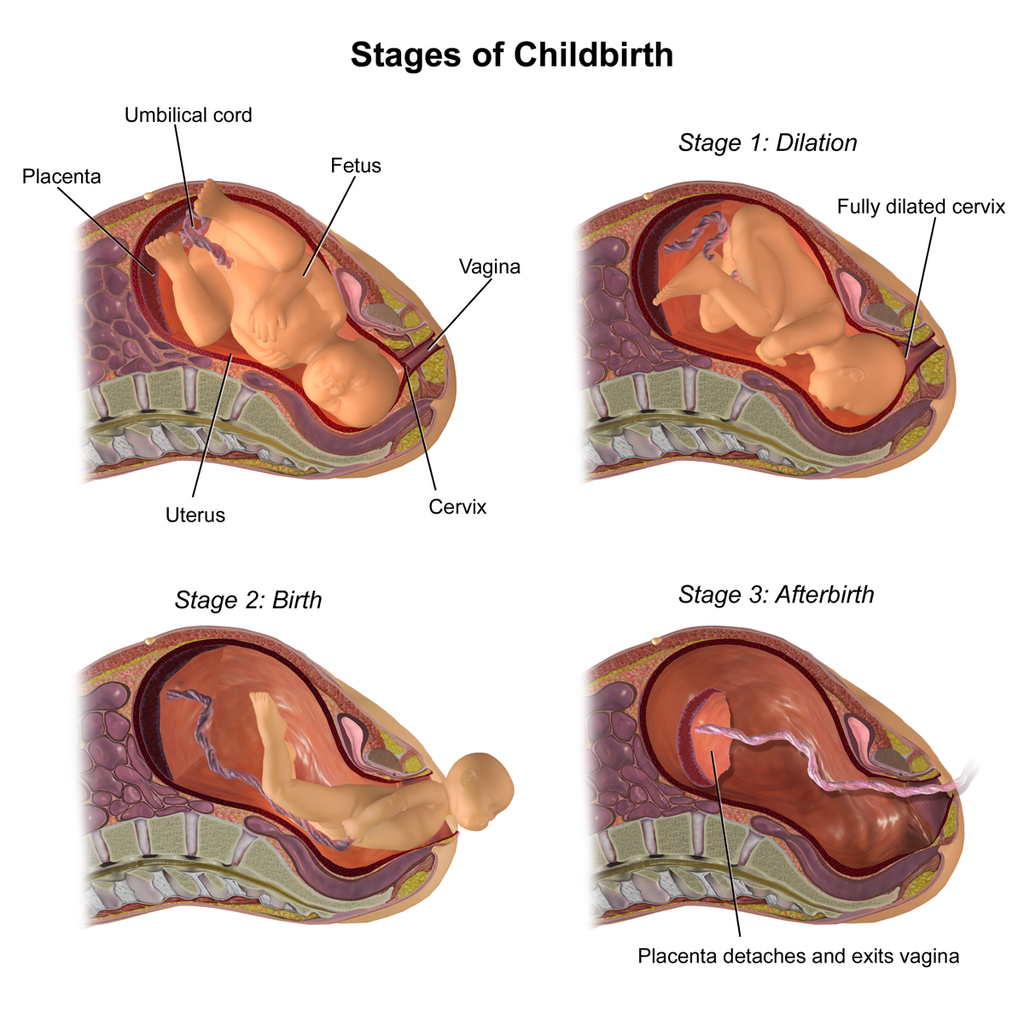
Labor unfolds in three distinct stages, each with its own purpose. Understanding them can help you know what to expect and how to work with your body as it progresses.
First Stage: Dilation This is the longest stage, where your cervix gradually opens (dilates) and thins out (effaces) to make way for the baby. It's divided into three phases:
- Early Labor: Your cervix dilates from 0 to about 6 centimeters. Contractions are typically mild and irregular, maybe feeling like menstrual cramps. This phase can last for hours or even days, and it's a good time to rest, hydrate, and eat light meals.
- Active Labor: The cervix dilates from 6 to 8 centimeters. Contractions become stronger, longer, and more frequent. This is when focus and pain management techniques become crucial. It’s usually the point when you would head to your birthing location.
- Transition: This is the most intense but shortest phase, as the cervix opens to its full 10 centimeters. Contractions are very powerful and close together. It's common to feel shaky, nauseous, or overwhelmed during transition, but it's a sign that the first stage is almost over.
Second Stage: Pushing and Birth Once your cervix is fully dilated, it's time to push. This stage involves actively working with your contractions to move the baby down the birth canal and out into the world. It can last anywhere from a few minutes to several hours, especially for first-time parents. This stage ends with the birth of your baby.
Third Stage: Delivering the Placenta After the baby is born, your body's work isn't quite finished. You will experience milder contractions that help detach the placenta from the uterine wall and push it out. This final stage, often called the afterbirth, is usually quick, lasting 5 to 30 minutes.
Benefits and Challenges
Choosing a natural birth comes with a unique set of potential rewards and difficulties. Being aware of both can help you prepare for the experience.
Many who have a natural birth report a profound sense of empowerment and accomplishment. Being an active participant without medication can create a powerful mind-body connection. Physically, recovery can sometimes be quicker, and the freedom to move around during labor can help manage pain and potentially speed up the process. Some studies suggest babies born without medication are often more alert and may have an easier time initiating breastfeeding.
The primary challenge, of course, is the intensity of the pain. Labor is physically demanding and can be a long, exhausting process. It requires significant mental and emotional preparation to develop coping strategies. It’s also important to remember that birth is unpredictable. Sometimes, medical interventions become necessary for the safety of the birthing person or the baby, and this can be emotionally difficult if expectations were rigidly set on one specific outcome.
Prostaglandins, oxytocin, adrenaline, and endorphins are some of the most important natural chemical combinations produced within the woman’s body during labor and birth.
Ultimately, the key is informed decision-making. Researching your options, understanding the labor process, and creating a flexible birth plan are essential steps. Discuss your wishes and concerns with your healthcare provider and support team. Knowing what to expect, being prepared with coping tools, and keeping an open mind will help you navigate your unique birthing experience, no matter how it unfolds.
What is the central philosophy of the natural birth approach?
During which phase of the first stage of labor does the cervix dilate from 6 to 8 centimeters, with contractions becoming significantly stronger and more regular?