Prenatal Hormones and Development
Introduction to Prenatal Hormones
The Unseen Architects
Long before we are born, a team of powerful chemical messengers is hard at work, laying the foundation for our bodies and brains. These messengers are called hormones, and their influence during the prenatal period—the time from conception to birth—is profound. They act like architects, following a complex blueprint to guide the construction of everything from our reproductive organs to our brain circuits.
Hormone
noun
A chemical substance produced in the body that controls and regulates the activity of certain cells or organs.
The main players in this process belong to two major families: androgens and estrogens. While we often think of androgens like testosterone as "male" hormones and estrogens as "female" hormones, both are present and essential in all developing fetuses, regardless of sex.
A Three-Part Symphony
Hormone production during pregnancy is a collaborative effort between the mother, the placenta, and the fetus itself. Each contributes to the carefully balanced hormonal environment needed for healthy development.
The mother's endocrine system provides a steady supply of various hormones that cross the placenta. The placenta, a temporary organ that connects the mother and fetus, is a hormonal powerhouse. It produces large quantities of its own hormones, like progesterone and estrogen, which are vital for maintaining the pregnancy.
Finally, the fetus begins to produce its own hormones. The fetal adrenal glands and gonads (the developing testes or ovaries) become active, adding their own contributions to the mix. This creates a complex and dynamic chemical conversation that shapes development.
The Jobs of Androgens and Estrogens
So, what exactly do these hormones do? Their primary job during early development is to direct the formation of the reproductive system. Early in gestation, the template for the reproductive tract is the same in all fetuses. Hormones are the key that unlocks one of two developmental paths.
Think of it like a train at a switch track. Androgens, particularly testosterone, act as the signal that flips the switch, guiding development along the male-typical path. In the relative absence of high levels of androgens, development proceeds along the female-typical path. Estrogens are also crucial, playing roles in the development of both male and female reproductive organs and contributing to the growth and function of the placenta.
| Hormone Family | Primary Prenatal Function |
|---|---|
| Androgens (e.g., Testosterone) | Directs development of male reproductive system. |
| Estrogens (e.g., Estradiol) | Supports pregnancy and development of reproductive organs. |
Timing Is Everything
The effects of these hormones are not constant throughout pregnancy. Their influence is most powerful during specific, limited windows of time known as critical periods.
A critical period is a phase in development when the body is uniquely sensitive to certain stimuli. For hormonal influences, these periods often occur in the first trimester, when the fundamental structures of the body and brain are being organized. During these windows, the presence or absence of a particular hormone can have lasting effects.
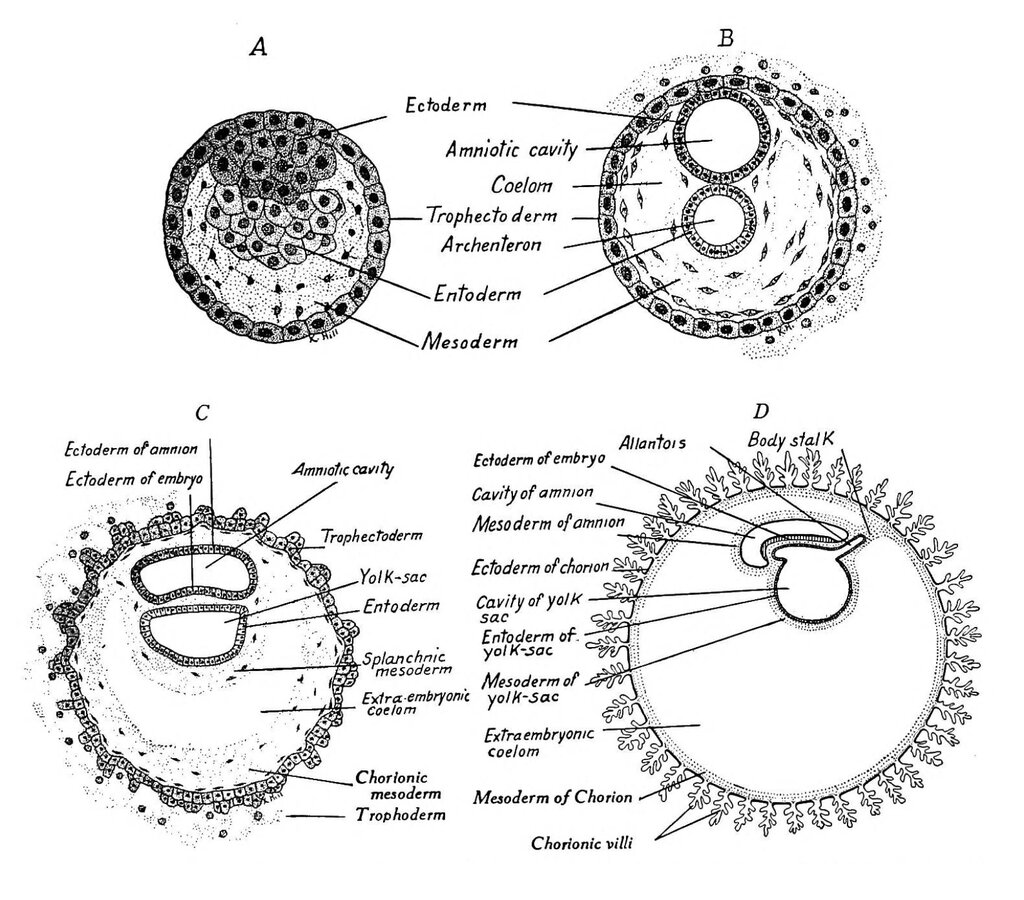
Imagine building a house. The foundation must be poured correctly at the very beginning. You can't add it in later once the walls are up. In the same way, the hormonal signals during critical periods lay a foundation for future development. Once a critical period has passed, the same hormonal signal will have little to no effect on that specific trait.
During a critical period, the right hormones must be present at the right time and in the right amounts to ensure typical development.
Let's check your understanding of these foundational concepts.
What is the primary role of high levels of androgens during the prenatal development of the reproductive system?
True or False: The mother is the sole source of hormones for the developing fetus.
Understanding these basic principles—what prenatal hormones are, where they come from, and how their timing is crucial—sets the stage for exploring their specific effects on our lives.