Pregnancy Pelvic Floor Health
Pelvic Floor Anatomy
Your Body's Foundation
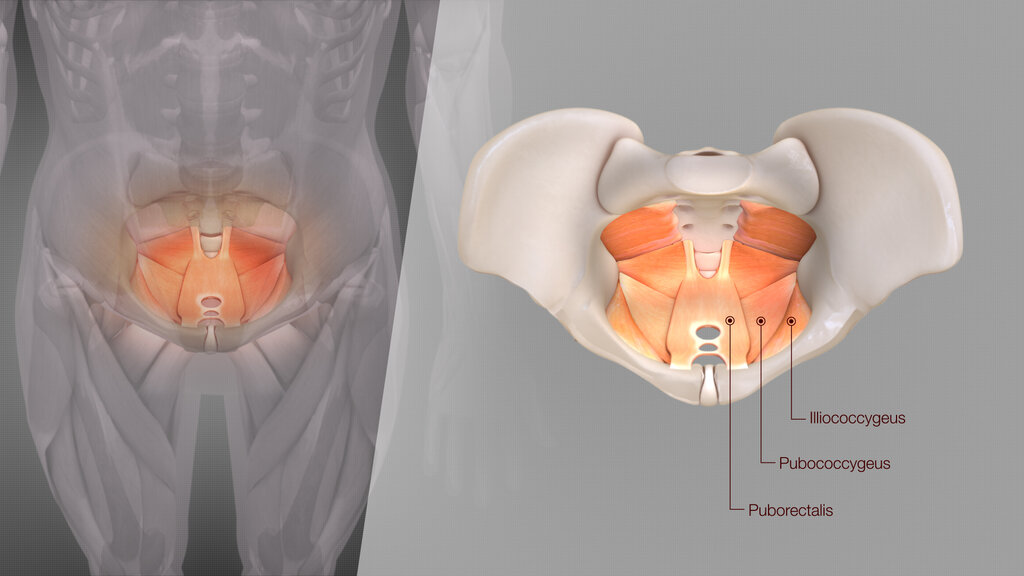
At the base of your pelvis is a group of muscles, ligaments, and tissues that act like a supportive hammock or sling. This is your pelvic floor. It stretches from your pubic bone at the front to your tailbone at the back, and side to side between your sit bones.
Think of it as the foundation of your core, providing stability and holding key organs in place.
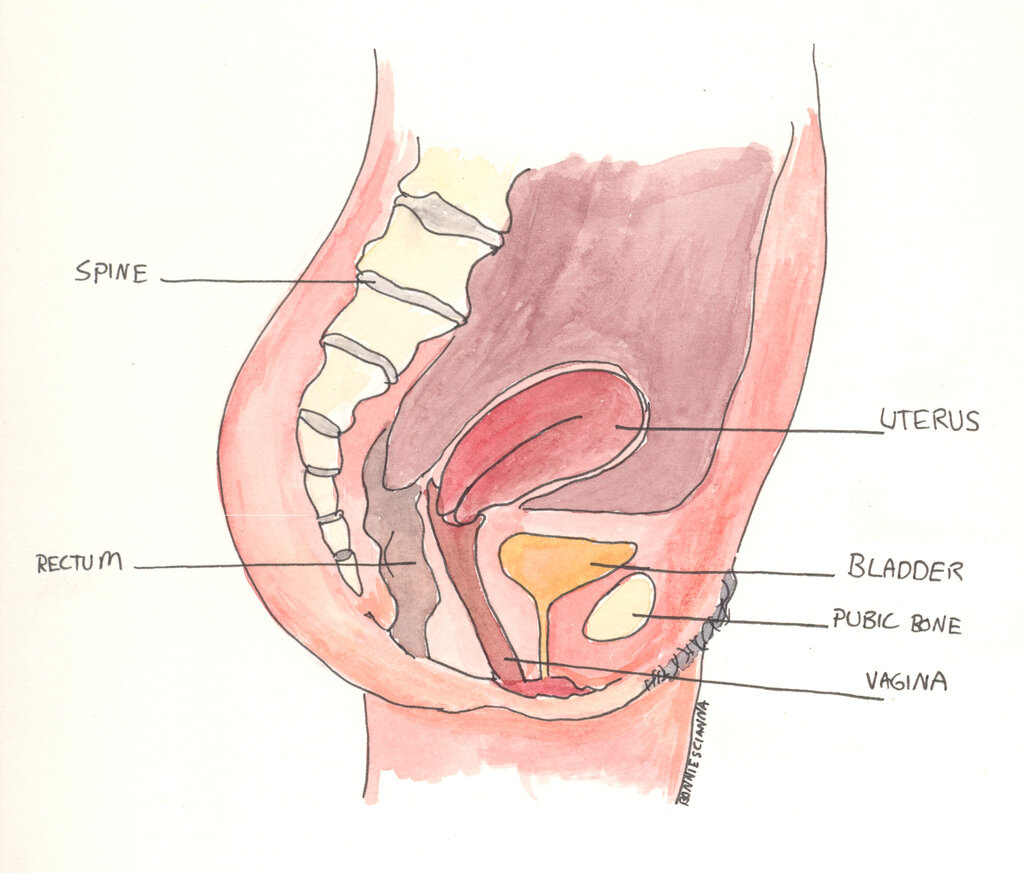
This muscular sheet has three main jobs: it supports the pelvic organs (the bladder, uterus, and rectum), it helps you maintain control over your bladder and bowels (continence), and it works with your deep abdominal and back muscles to stabilize your spine.
The Layers of Support
The pelvic floor isn't just one big muscle. It's a complex, multi-layered structure. The largest and most important part is a group of muscles called the levator ani, which means "lifter of the anus."
The levator ani is actually made of three smaller muscles:
- Pubococcygeus: This is often the main muscle people refer to when talking about Kegel exercises. It runs from the pubic bone to the tailbone and forms the bulk of the pelvic floor.
- Iliococcygeus: A thinner, fan-shaped muscle that sits more to the side and back, helping to support the pelvic organs.
- Puborectalis: This muscle forms a U-shaped sling around the rectum. Its role is critical for bowel control. When it's contracted, it pulls the rectum forward, creating a kink that helps prevent leakage. When it relaxes, the kink straightens out, allowing for a bowel movement.
How Continence Works
Your pelvic floor muscles are essential for staying continent. They wrap around the openings of the urethra (where urine exits) and the anus. When you need to prevent urination or a bowel movement, these muscles contract and tighten, squeezing these openings shut. It’s like pinching a garden hose to stop the flow of water.
When you decide to go to the bathroom, your brain signals these muscles to relax. This relaxation, combined with pressure from the bladder or rectum, allows urine or stool to pass.
The trampoline-like pelvic floor is designed to, among other things, move in parallel with the diaphragm: When we inhale, it relaxes as all our organs move downward into it to make room for the breath.
This constant, subtle work happens without you even thinking about it. The muscles maintain a baseline level of tension to provide support and only fully contract or relax when needed. This coordination with your breath and core is key to its proper function.
Let's check your understanding of these foundational muscles.
What are the three primary functions of the pelvic floor muscles?
The largest and most important part of the pelvic floor is a group of muscles called the __________, which means 'lifter of the anus.'
Understanding this anatomy is the first step in recognizing how pregnancy and childbirth can impact your body.