Pregnancy Leaks Urinary Incontinence vs Amniotic Fluid
Anatomy and Physiology
The Urinary System
Your body has a sophisticated filtering system that removes waste and extra fluid. This is the urinary system, and it works around the clock to keep your internal environment stable. It’s composed of four main parts: two kidneys, two ureters, the bladder, and the urethra.
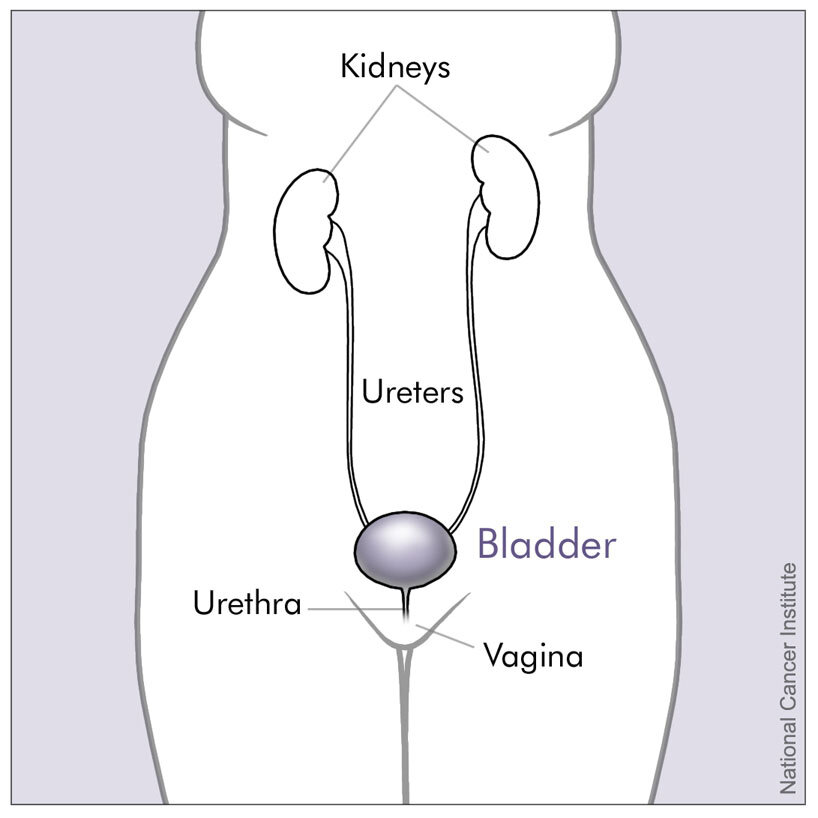
Think of the kidneys as high-tech purification plants. Located on either side of your spine, just below the rib cage, these bean-shaped organs filter your blood constantly. They pull out waste products, like urea, and balance salts, acids, and water levels. The cleaned blood returns to circulation, and the waste and excess water become urine.
From each kidney, a narrow tube called a ureter carries the urine downward. The ureters are like pipelines, transporting the urine from the kidneys to a storage tank: the bladder.
The bladder is a muscular, hollow organ in your pelvis that expands to store urine. As it fills, its walls stretch, which sends a signal to your brain that it’s time to find a restroom. When you’re ready to urinate, the bladder muscle contracts, pushing the urine out.
Finally, the urethra is the tube through which urine exits the body. In females, the urethra is relatively short and is located just above the vaginal opening. This entire process, from filtering blood to expelling urine, is how your body maintains its delicate chemical balance.
The urinary system’s job is simple but vital: filter waste from the blood and remove it from the body as urine.
The Reproductive System
The female reproductive system is designed for creating and nurturing new life. Its primary organs are the ovaries, fallopian tubes, uterus, and vagina. Unlike the urinary system, which functions continuously, the reproductive system operates in cycles.
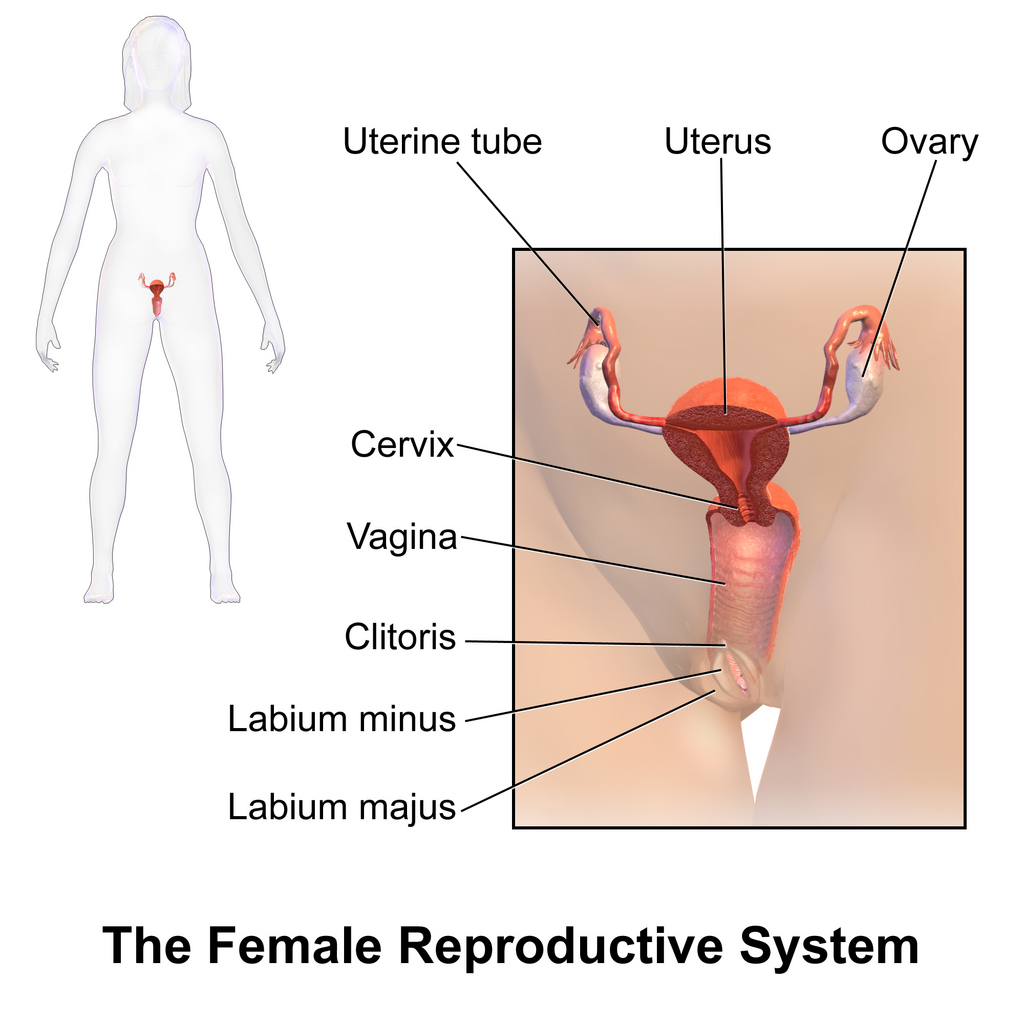
The ovaries are two small, oval-shaped glands located on either side of the uterus. They have two main jobs: producing eggs (ova) and secreting hormones, primarily estrogen and progesterone. Each month, one of the ovaries releases an egg in a process called ovulation.
The released egg travels into a fallopian tube. These tubes connect the ovaries to the uterus. Fertilization, the union of an egg and sperm, typically happens here. The fertilized egg then continues its journey to the uterus.
The uterus, or womb, is a pear-shaped, muscular organ where a fertilized egg implants and develops into a fetus. Its inner lining, the endometrium, thickens each month to prepare for a potential pregnancy. If fertilization doesn't occur, this lining is shed during menstruation.
The vagina is a muscular canal that connects the uterus to the outside of the body. It serves as the passageway for menstrual fluid to leave the body and is also known as the birth canal.
Cycles and Changes
The menstrual cycle is the monthly series of changes the body goes through to prepare for a possible pregnancy. It's regulated by a complex interplay of hormones produced by the brain and the ovaries. The cycle averages about 28 days but can vary.
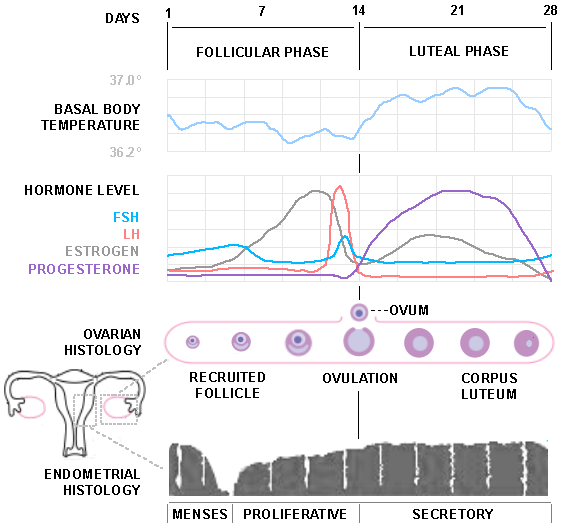
The cycle begins with menstruation (the period), when the uterine lining is shed. Following this, hormones cause a new egg to mature in an ovary and the uterine lining to build back up. Around mid-cycle, ovulation occurs, and the egg is released.
If the egg is fertilized and implants in the uterus, pregnancy begins. Hormonal signals stop the menstrual cycle, and the uterine lining is maintained to support the growing fetus. The uterus expands dramatically over the next nine months to accommodate the baby.
This incredible expansion puts pressure on surrounding organs, including the bladder, which sits directly in front of the uterus. This anatomical relationship is key to understanding many of the physical changes experienced during pregnancy.
Time to check your understanding of these two vital systems.
What is the primary function of the kidneys?
Which of the following correctly describes the path of urine from creation to expulsion?
Understanding the distinct roles and locations of the urinary and reproductive systems is the first step in recognizing how pregnancy impacts the body.