Pregnancy Law and Jurisprudence
Pregnancy Rights Foundations
Privacy and the Constitution
The U.S. Constitution doesn't explicitly mention a "right to privacy." Instead, the Supreme Court found this right exists in the shadows of other protections, particularly within the Bill of Rights. Think of it as an implied guarantee, pieced together from amendments that protect our homes from search, our right to remain silent, and our freedom of association. This concept of an unenumerated right, one that isn't written down but is still fundamental, forms the basis for many modern legal debates.
This idea of a constitutional right to privacy first took center stage in a case about contraception. The 1965 case, Griswold v. Connecticut, challenged a state law that banned the use of any drug or medical device for preventing conception. The Supreme Court struck down the law, arguing that the various guarantees in the Bill of Rights create "zones of privacy." The Court decided that the decision to use contraception fell within one of these zones, specifically the privacy of the marital bedroom.
The Griswold ruling established a crucial precedent: some personal decisions are so fundamental that the government cannot interfere with them without a compelling reason.
From Privacy to Abortion Rights
The legal foundation laid in Griswold became the launching point for another landmark case just a few years later. In 1973, the Supreme Court heard Roe v. Wade. The case was brought by (using the legal pseudonym "Jane Roe"), a Texas woman who sought to terminate her pregnancy but was blocked by a state law that criminalized abortion except to save the mother's life.
The Court's decision in Roe expanded the right to privacy to include a woman's decision to have an abortion. The ruling argued that this right is part of the liberty protected by the Due Process Clause. However, the right wasn't absolute. The Court created a trimester framework to balance the woman's autonomy with the state's interest in protecting potential life.
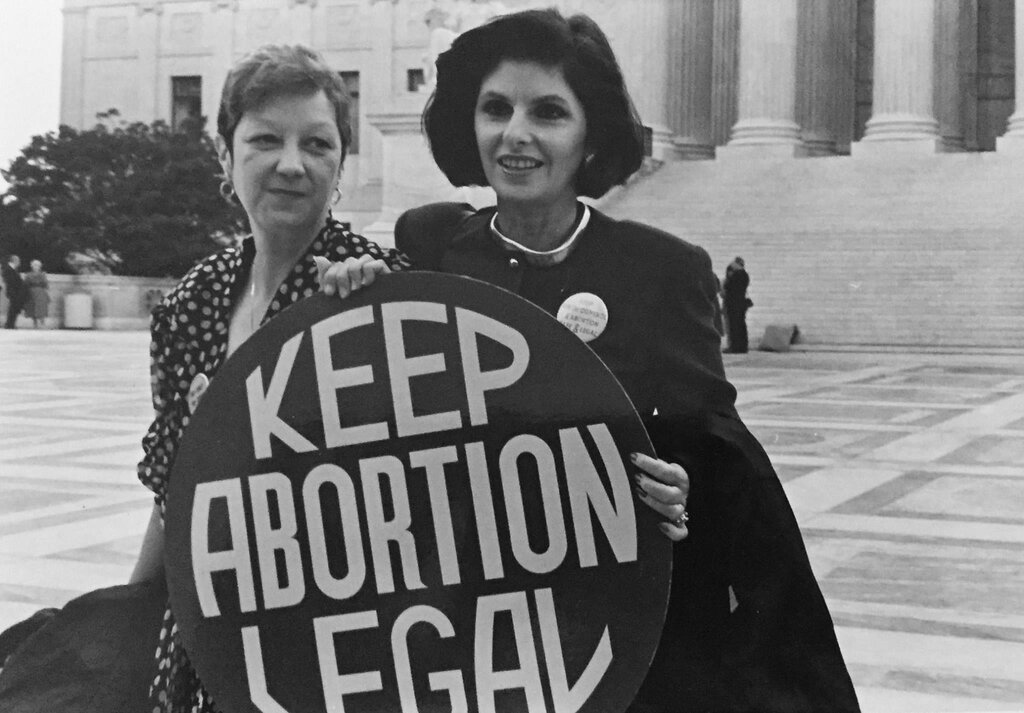
This framework was later modified in the 1992 case Planned Parenthood v. Casey. The Court abandoned the trimester system but upheld Roe's core holding: a woman has a constitutional right to an abortion before fetal viability. Casey introduced the "undue burden" standard, which says states cannot place a substantial obstacle in the path of a woman seeking an abortion before the fetus attains viability. For nearly 50 years, Roe and Casey were the law of the land.
The Dobbs Decision and Its Aftermath
In 2022, the legal landscape shifted dramatically. In Dobbs v. Jackson Women's Health Organization, the Supreme Court explicitly overturned both Roe v. Wade and Planned Parenthood v. Casey. The majority opinion argued that the Constitution does not confer a right to abortion and that the authority to regulate or ban the procedure should be returned to the states and their elected representatives.
The Dobbs decision did not outlaw abortion nationwide. Instead, it eliminated the federal constitutional standard that had protected abortion rights for half a century. This created a legal vacuum that states immediately began to fill.
The result is a patchwork of laws. The legality of abortion, and the conditions under which it can be performed, now depend entirely on where a person lives.
In the wake of the ruling, many states with pre-existing "trigger laws" quickly moved to ban or severely restrict abortion. Other states have taken steps to protect or even expand abortion access, anticipating an influx of patients from states with new restrictions.
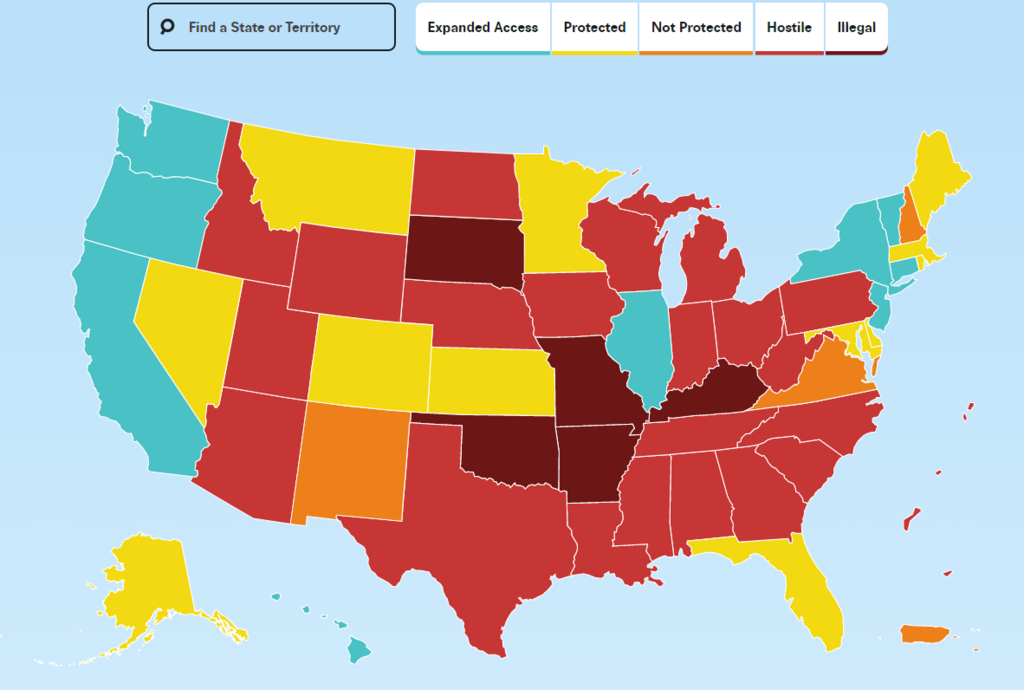
This new legal reality has led to a wave of state-level court battles, legislative debates, and ballot initiatives. The legal framework governing pregnancy and abortion is now more fragmented and dynamic than at any point in the last 50 years, with the fight over reproductive rights focused squarely on state capitals and courtrooms.
According to the Supreme Court's interpretation, the constitutional "right to privacy" is considered what kind of right?
Which landmark Supreme Court case first established a constitutional right to privacy regarding the use of contraception?