Prefilled Syringes Explained
Introduction to Prefilled Syringes
Ready to Inject
Getting a shot usually involves two main items: a small glass bottle called a vial and a separate, empty syringe. A nurse or doctor first draws the medication from the vial into the syringe and then gives the injection. This method works, but it has a few extra steps that can lead to errors or contamination.
A prefilled syringe is a simple solution to these problems. It's exactly what it sounds like: a syringe that comes already filled with a specific dose of medicine from the manufacturer. It's a single, sterile, ready-to-use device. This eliminates the need to draw medication from a vial, making the process faster, safer, and more accurate.
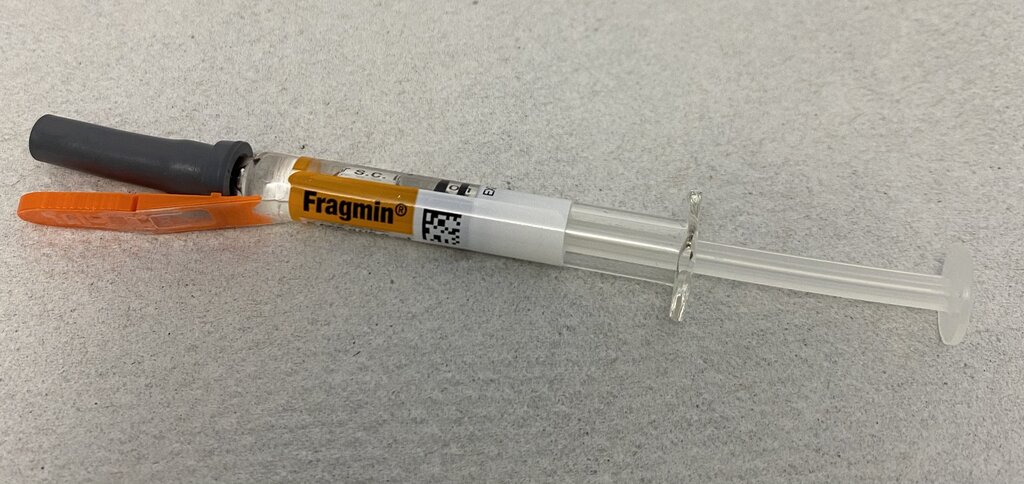
Anatomy of a Prefilled Syringe
While they look similar to standard syringes, prefilled syringes have a few key features designed for safety and ease of use. They are self-contained systems, ensuring the medication inside remains sterile until the moment it's used.
Here are the main parts:
- Barrel: The main body of the syringe that holds the medication.
- Plunger Rod: The rod you push to inject the medicine.
- Needle: The sharp point that delivers the medication.
- Needle Shield/Cap: A protective cover over the needle. On many modern prefilled syringes, this is an active safety feature that automatically covers the needle after injection to prevent accidental sticks.
How They Work
Using a prefilled syringe is straightforward. The user removes the needle cap, inserts the needle into the correct injection site, and presses the plunger. The entire dose is delivered in one smooth motion.
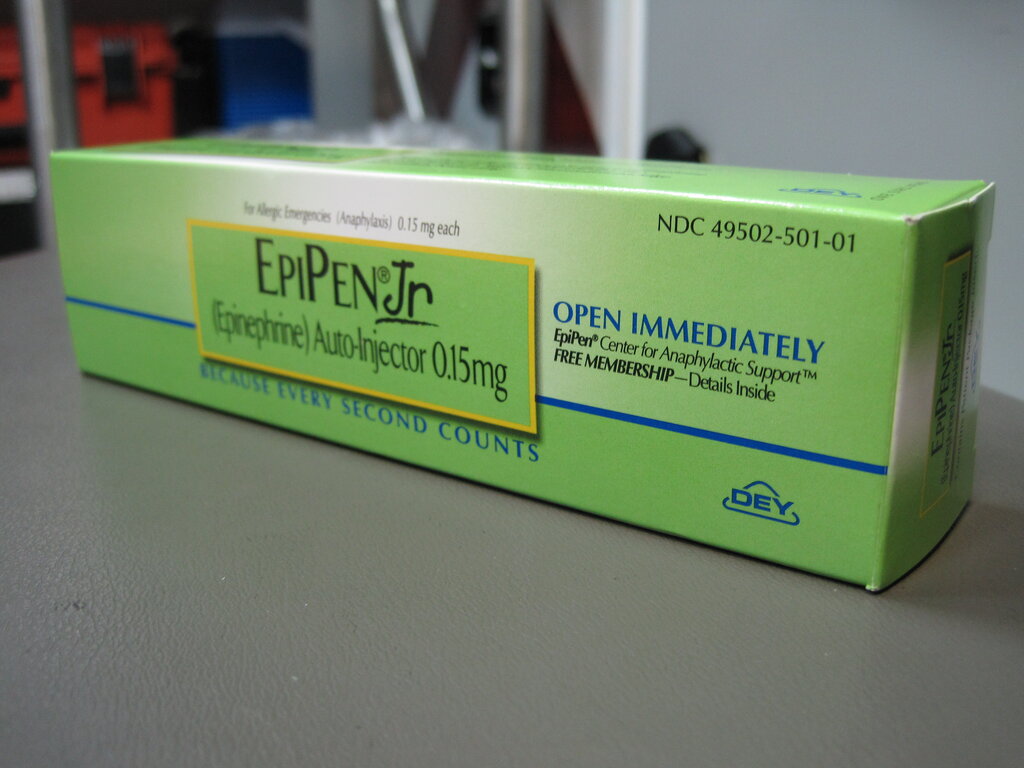
Many prefilled devices, especially those for patient self-administration like insulin pens or epinephrine auto-injectors, have added safety mechanisms. After the injection is complete, a shield might automatically spring forward to cover the needle, making it safe to handle and dispose of immediately. This simple, built-in feature is a major advance in preventing needlestick injuries.
Clear Advantages
Compared to the traditional vial-and-syringe method, prefilled syringes offer several key benefits.
Accuracy: The dose is precisely measured by the manufacturer, which drastically reduces the risk of giving too much or too little medication. This is especially important for powerful drugs where even a small error can have serious consequences.
Safety: With fewer steps, there are fewer opportunities for contamination. The single-use design and safety features like needle shields also significantly lower the risk of accidental needlesticks for both healthcare providers and patients.
Convenience: Prefilled syringes save time. There's no need to find a vial, draw up a dose, and switch needles. This efficiency is valuable in busy hospitals and clinics. It also makes it much easier for patients to administer their own medications at home without complex training.
Here's a quick comparison:
| Feature | Traditional Vial & Syringe | Prefilled Syringe |
|---|---|---|
| Dose Preparation | Required (manual drawing) | Not required (pre-measured) |
| Risk of Dosing Error | Higher | Significantly lower |
| Risk of Contamination | Higher (multiple steps) | Lower (closed system) |
| Time to Administer | Slower | Faster |
| Ease of Use | Requires training | Simpler, often intuitive |
Let's check your understanding of these concepts.
What is the primary advantage of a prefilled syringe compared to the traditional vial-and-syringe method?
Which part of the prefilled syringe is the main body that holds the medication?
By simplifying the process of injection, prefilled syringes represent a major step forward in making medication delivery safer and more reliable for everyone.