Predicting Super Bowl LX
Super Bowl Overview
More Than a Game
Every year, on a Sunday in early February, America comes to a standstill. Friends and families gather, massive amounts of food are consumed, and all eyes turn to one single event: the Super Bowl. It's the annual championship game of the National Football League (NFL), the highest level of professional American football in the world. But it's also a cultural touchstone that goes far beyond the gridiron.
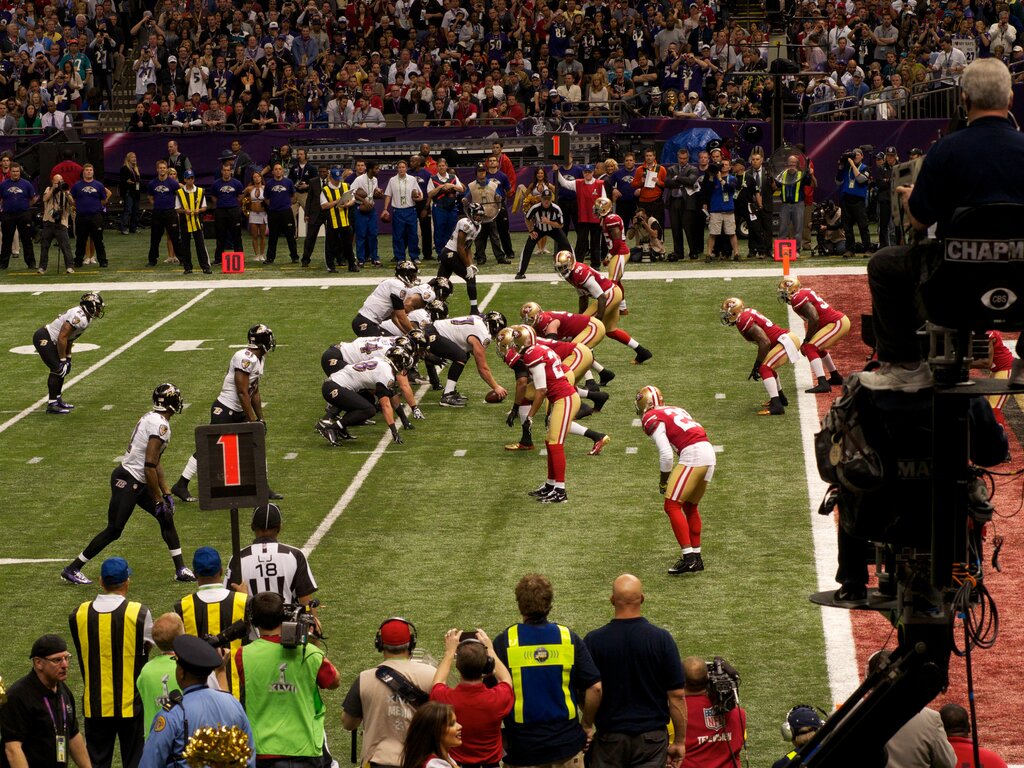
How It All Began
The Super Bowl wasn't always the spectacle it is today. Its origins trace back to the 1960s, a time of intense rivalry between two separate professional football leagues: the established National Football League (NFL) and the upstart American Football League (AFL).
To settle the debate over which league was superior, they agreed to a merger and decided that their champions would face off in a final game. The first one, then called the “AFL–NFL World Championship Game,” was played on January 15, 1967. It wasn't until the third championship that the name “Super Bowl” was officially adopted.
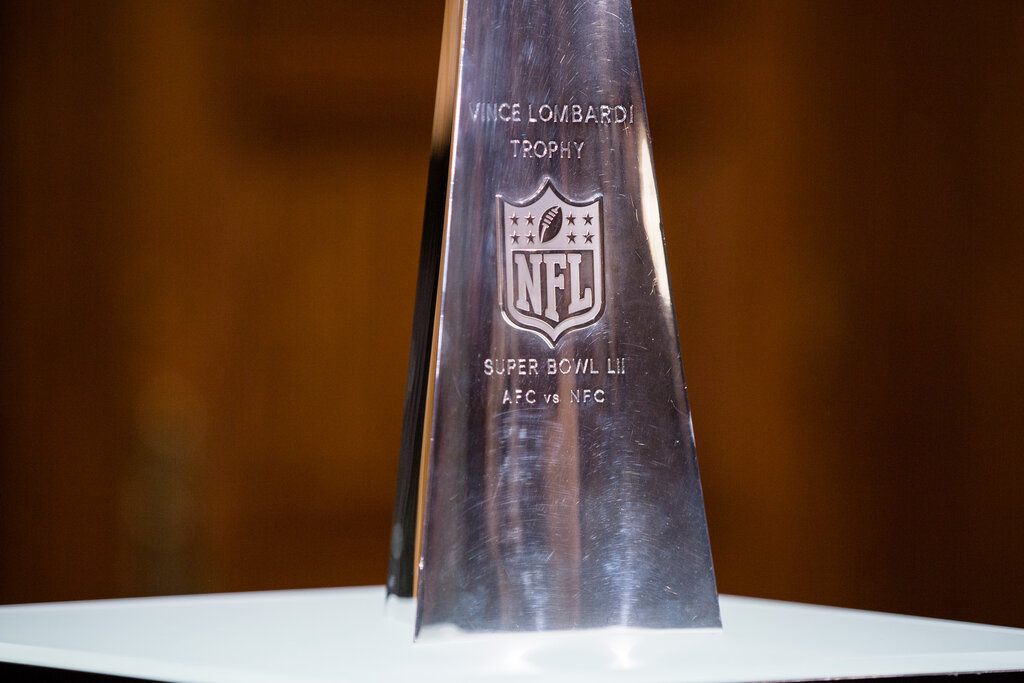
The iconic prize for the winning team is the Vince Lombardi Trophy, named after the legendary coach of the Green Bay Packers, who won the first two Super Bowls.
The Road to the Super Bowl
So, how does a team earn a spot in the big game? The NFL is split into two conferences: the American Football Conference (AFC) and the National Football Conference (NFC). Each conference has 16 teams.
During the 18-week regular season, teams play to achieve the best possible win-loss record. At the end of the season, the top seven teams from each conference advance to the playoffs. This is a single-elimination tournament. Teams face off in the Wild Card round, then the Divisional Round, until only two teams are left in each conference. These final two teams play in their respective AFC and NFC Championship Games. The winner of the AFC plays the winner of the NFC in the Super Bowl to decide the league champion.
A Cultural Phenomenon
The Super Bowl is much more than a sporting event; it's a de facto American holiday. “Super Bowl Sunday” is the second-largest day for U.S. food consumption, after Thanksgiving.
It consistently ranks as one of the most-watched television broadcasts of the year, drawing over 100 million viewers in the United States alone. This massive audience makes commercial airtime incredibly valuable. Companies spend millions of dollars to create memorable, high-production advertisements that are often discussed as much as the game itself.
The halftime show has also become a major cultural event, featuring performances by some of the biggest names in music. From Michael Jackson to Beyoncé, the halftime show is a spectacle of its own, designed to entertain the massive global audience.
Let's review some key terms before we test your knowledge.
Ready to see what you've learned? Take this short quiz.
What were the two original leagues that competed in the first championship game, which would later become known as the Super Bowl?
The iconic trophy awarded to the Super Bowl winner is named after whom?
From a simple championship game to a global event, the Super Bowl's blend of high-stakes sports and blockbuster entertainment has secured its place as a unique piece of American culture.