Precision Striking and Punch Mechanics
Straight Punch Mechanics
The Unseen Engine
A powerful straight punch doesn't start in the arm; it starts in the floor. The force is generated by pushing off the ground and travels up through your body in a sequence called the —a whip-like transfer of energy from your legs, through your hips and torso, and finally out through your fist.
This chain reaction is what separates a sharp, damaging strike from a slow, telegraphed push. A push uses only the shoulder and arm muscles. A true punch channels the power of your entire body into a single point of impact.
Mechanics of the Jab
The jab is a study in efficiency. Its power begins with a small, sharp pivot on the ball of your lead foot. This isn't a big, dramatic twist; it's a subtle corkscrew motion that rotates your lead hip just enough to launch the punch. The movement should be explosive, like striking a match.
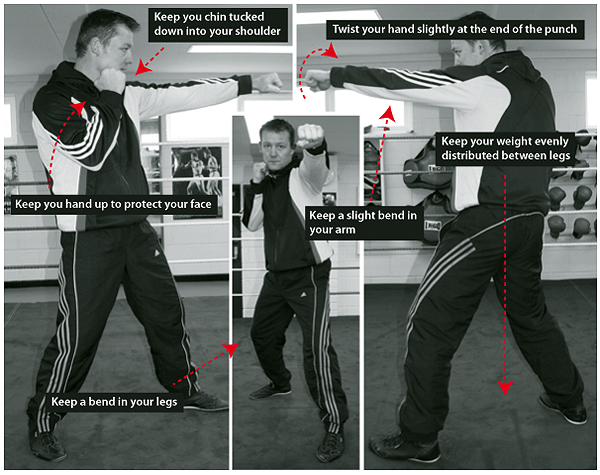
As the arm extends, your lead shoulder should rise to cover your chin. This defensive detail is crucial. Think of your shoulder as a shield that automatically deploys the moment you attack. At the last moment, as your punch nears the target, rotate your fist so the palm faces down. This aligns the bones in your forearm and hand, creating a solid, rigid structure on impact and adding a final
Snap, don't push. The goal is maximum velocity at the point of impact, followed by an immediate retraction. A jab that lingers is an invitation for a counter.
Driving the Cross
The cross generates significantly more power because it involves a greater weight displacement and a fuller body rotation. The engine for the cross is the rear leg. You start by forcefully pushing off the ball of your rear foot, rotating it as if you're squashing a bug beneath it. This rotation is what drives your rear hip forward.
Your hip rotation pulls your torso and shoulder around, launching your rear arm toward the target. Just like with the jab, your rear shoulder should rise to protect the side of your face—a technique often called the shoulder roll guard. The hand stays relaxed until the moment of impact, when the fist clenches and rotates palm-down. This maximizes speed and ensures you don't waste energy.
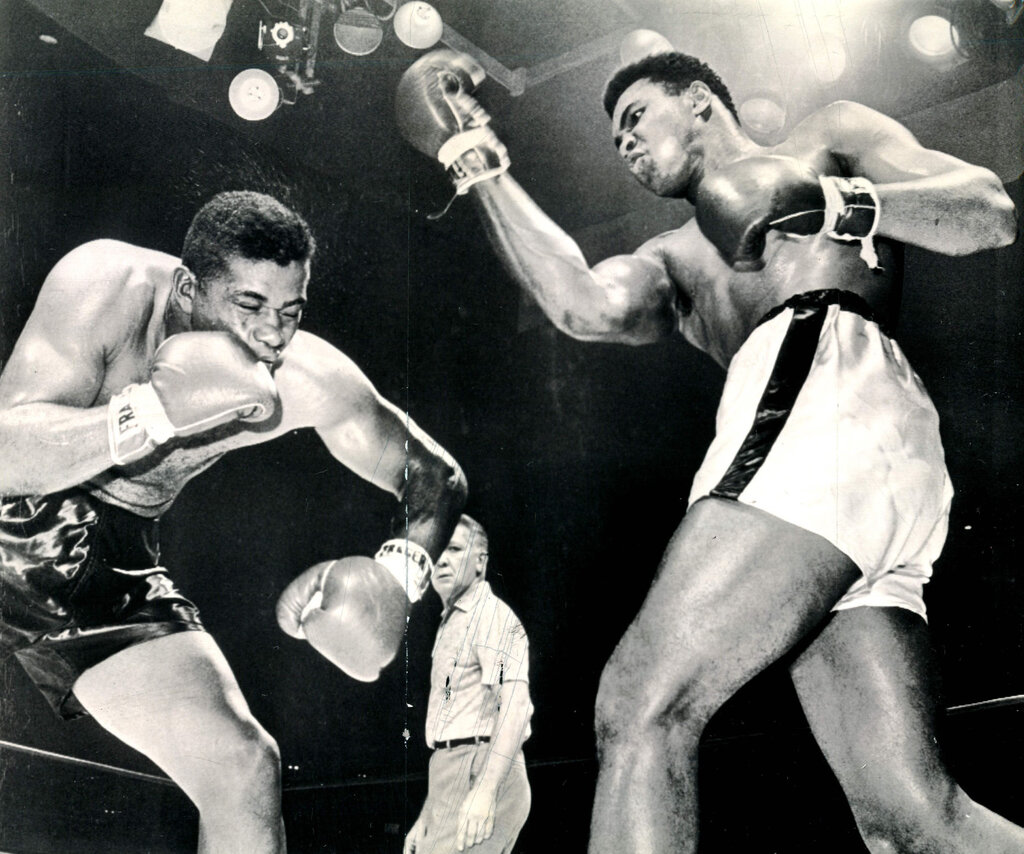
The power of a punch comes from generating force through your legs, core, and upper body, then efficiently transferring that energy to your fist.
The key is sequencing. The foot turns, then the hip, then the torso, then the shoulder, and finally the arm extends. It's a wave of motion, not a single, jerky action. The hand should return to your chin even faster than it went out. A fast retraction is just as important as a fast punch for maintaining your defense.
The sequence of energy transfer from the legs, through the hips and torso, and finally out through the fist is known as the ________.
What is the primary initial movement that generates power for a jab?
Understanding these mechanics transforms a simple punch into a coordinated, full-body athletic movement.