Precision Fermentation Explained
Introduction to Fermentation
The Power of Microbes
Fermentation is a metabolic process where microorganisms like bacteria, yeast, or fungi create useful products by breaking down substances like sugars. Think of these microbes as tiny chefs, transforming simple ingredients into complex and flavorful new things. This process happens in an environment without oxygen.
Fermentation is a natural process where beneficial microorganisms—typically lactic acid bacteria or yeast—convert sugars in food into acids, gases, or alcohol.
This isn't a new technology. Humans have been using fermentation for thousands of years, long before we understood the science behind it. Early civilizations discovered that letting grape juice sit would turn it into wine, and that milk could become yogurt or cheese. These processes not only created new flavors and textures but also preserved food, which was crucial before refrigeration.
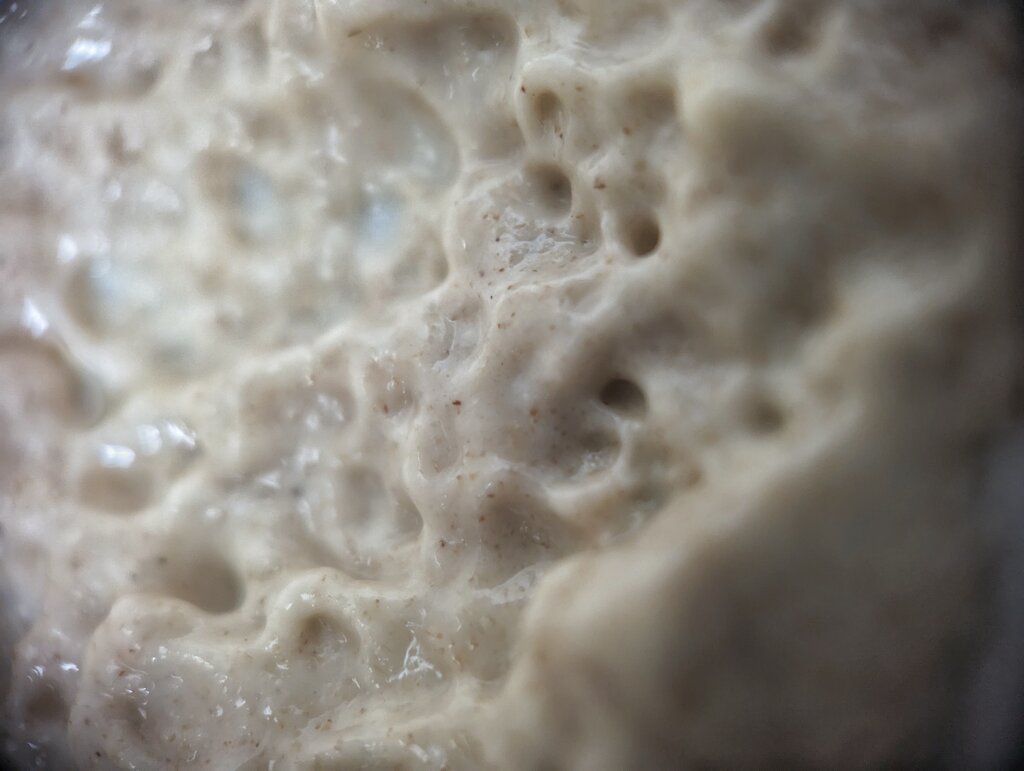
Types of Fermentation
While the basic idea remains the same, fermentation techniques have evolved. Today, we can group them into three main categories.
Traditional Fermentation: This is the method our ancestors used. It relies on whole, naturally occurring or added microorganisms to transform ingredients. Beer, wine, yogurt, and kimchi are all products of traditional fermentation.
The focus here is on the final food product, created by the collective action of entire microbial communities.
Biomass Fermentation: This method focuses on growing a large quantity of microorganisms themselves. The microbes are the product. After they are grown in large vats called fermenters, they are harvested and processed. Nutritional yeast and microbial proteins used in some meat alternatives are made this way.
Instead of using the microbes to change a food, the microbes become the food.
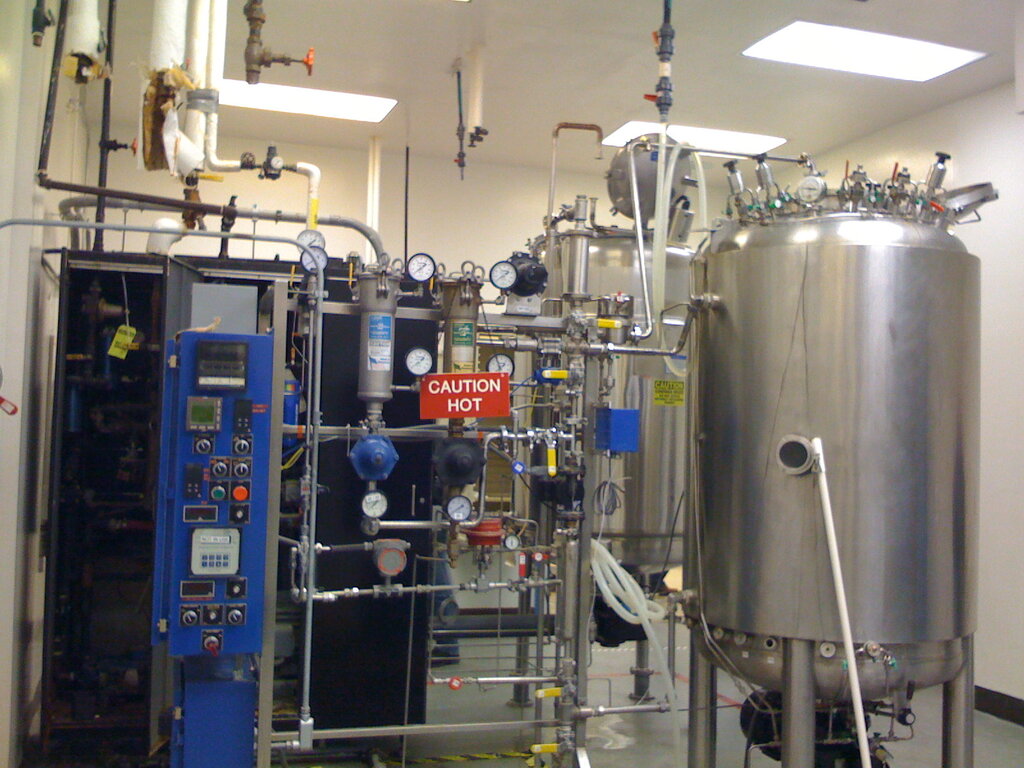
Precision Fermentation: This is the most advanced form. It uses microorganisms as tiny factories to produce specific compounds, like proteins, enzymes, or flavor molecules. Scientists can program microbes to create virtually any complex organic molecule. This is how insulin for diabetics has been made for decades, and it's also used to create vitamins and food ingredients like rennet for cheesemaking, without needing animal sources.
Broad Applications
Fermentation is a cornerstone of many industries. In the food and beverage world, it's responsible for everything from bread and cheese to coffee and chocolate, which both undergo fermentation steps to develop their characteristic flavors.
In pharmaceuticals, fermentation is essential for producing antibiotics, vaccines, and therapeutic proteins like insulin. It allows for the large-scale, pure, and safe production of life-saving medicines.
It's also a key player in sustainability. Fermentation is used to create biofuels like ethanol from corn or sugarcane, providing a renewable alternative to fossil fuels. It can also be used to produce biodegradable plastics and other eco-friendly materials.
Time to review what you've learned.
Let's check your understanding with a few questions.
What is a key requirement for fermentation to occur?
Historically, what was a major benefit of fermenting food, aside from creating new flavors?
From ancient food preservation to modern medicine, fermentation is a powerful and versatile biological process that continues to shape our world.