Precious Metals Macroeconomics and E-commerce
Introduction to Precious Metals
What Makes a Metal Precious?
Certain metals have captivated humanity for millennia. They're beautiful, durable, and above all, rare. These are the precious metals, a group of naturally occurring elements with high economic value.
To be considered precious, a metal is typically rare, resistant to corrosion or tarnish, and has a high luster.
This resistance to decay is key. While a metal like iron rusts away, gold can be pulled from a shipwreck after centuries and still shine. This permanence is a large part of its appeal.
The most well-known precious metals are gold, silver, platinum, and palladium. Each has a unique story and set of properties that make it valuable.
Gold and Silver
Gold (Au) is the most famous precious metal. For thousands of years, it served as money and has been a universal symbol of wealth, power, and beauty. Its distinctive yellow shine and resistance to tarnish make it ideal for jewelry and coinage.
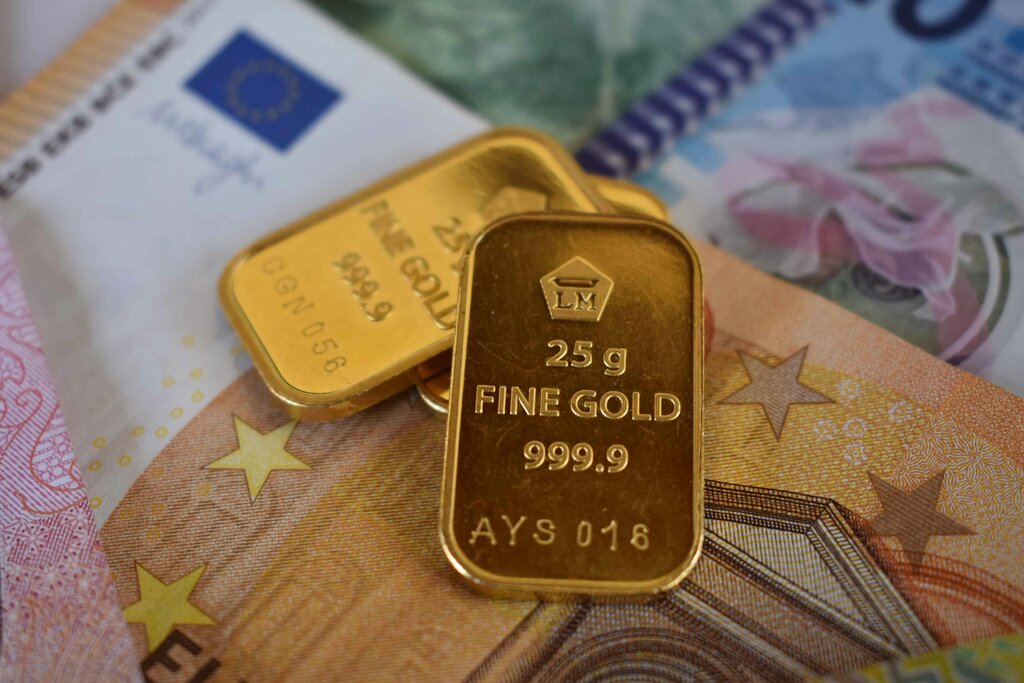
Beyond its beauty, gold is also highly practical. It is the most malleable and ductile of all metals. A single ounce can be stretched into a wire 50 miles long or beaten into a transparent sheet. Gold is also an excellent conductor of electricity that doesn't corrode, making it critical for high-end electronics, from smartphones to spacecraft circuitry.
Silver (Ag) has the whitest, most reflective surface of any metal. It has been used in coins, ornaments, and utensils for just as long as gold, often playing second fiddle as a more accessible monetary metal.
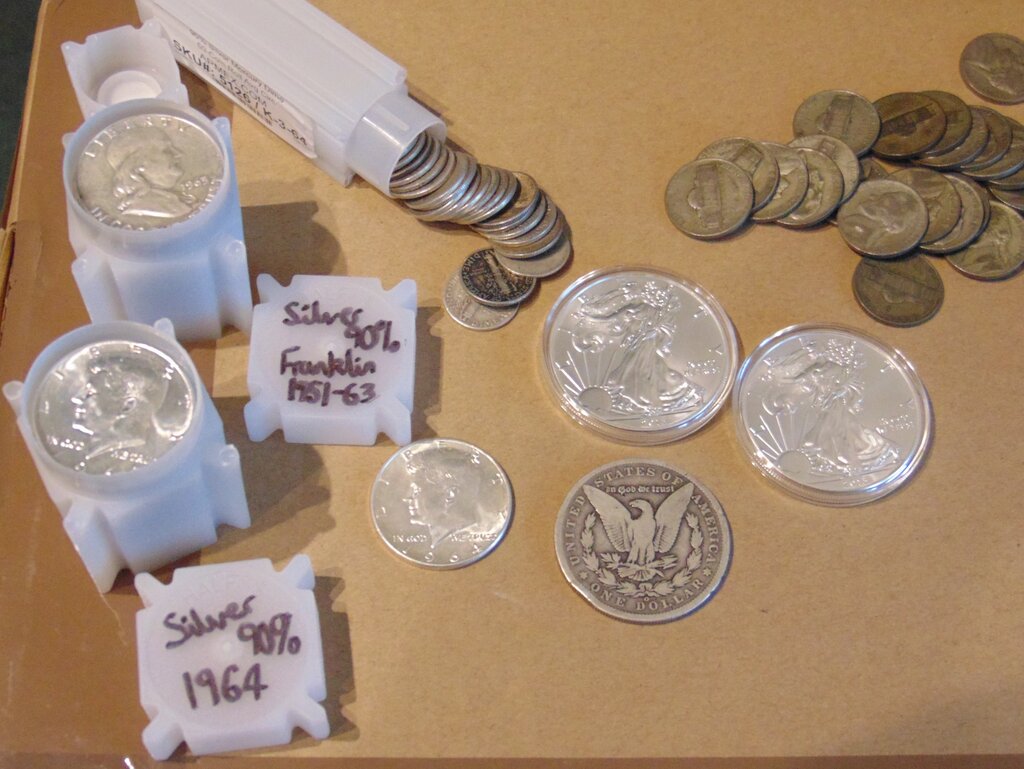
Silver's properties are remarkable. It is the best electrical and thermal conductor of all the elements. This makes it indispensable in solar panels, electrical circuits, and batteries. It also has natural antimicrobial properties, which has led to its use in medicine and water purification.
The Platinum Group
Platinum (Pt) and palladium (Pd) are part of a family of elements known as the platinum group metals. They are rarer than gold, silvery-white in color, and extremely dense and durable.
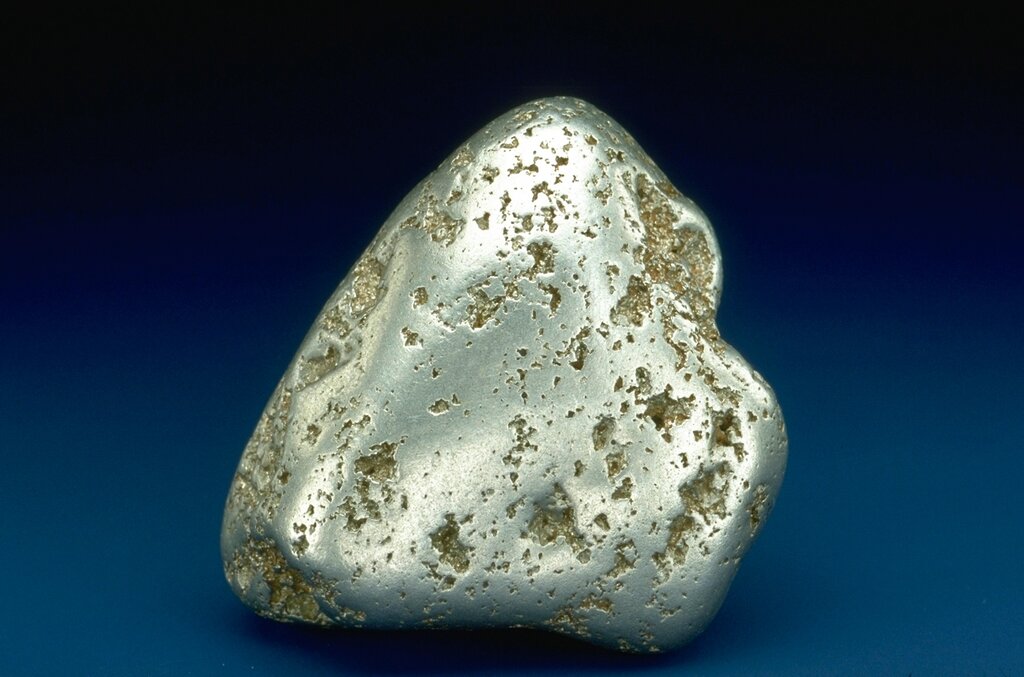
Platinum's story is more recent than gold's. While used by pre-Columbian cultures, European scientists only began to understand its properties in the 18th century. It is highly resistant to chemical attack, stable at high temperatures, and a powerful catalyst, meaning it can speed up chemical reactions without being consumed.
This catalytic ability is its most important industrial use. Platinum is a key component in catalytic converters for vehicles, which turn toxic pollutants like carbon monoxide into less harmful substances.
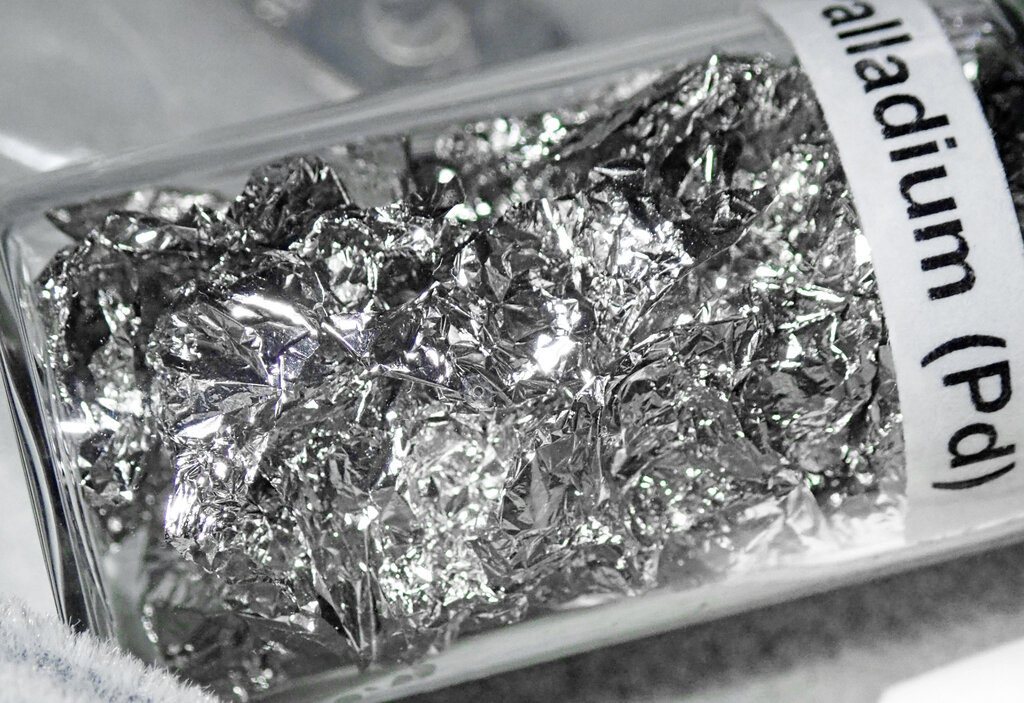
Palladium looks a lot like platinum but is much less dense. Discovered in 1803, it shares many of platinum's catalytic properties and is often used for the same purposes, especially in catalytic converters. Because it is less expensive than platinum, it has become the dominant metal for this application in gasoline vehicles.
Palladium also has a unique ability to absorb huge amounts of hydrogen gas at room temperature, a property explored for hydrogen storage technology. Both platinum and palladium are also used in jewelry, electronics, and dentistry.
| Metal | Symbol | Key Property | Main Use |
|---|---|---|---|
| Gold | Au | Malleability, non-corrosive | Jewelry, investment, electronics |
| Silver | Ag | Highest conductivity | Electronics, solar panels, jewelry |
| Platinum | Pt | Catalytic, corrosion-resistant | Catalytic converters, jewelry |
| Palladium | Pd | Catalytic, less dense than Pt | Catalytic converters, electronics |
Time to test your knowledge on these valuable metals.
Which precious metal is so malleable and ductile that a single ounce can be stretched into a 50-mile-long wire?
What is the primary industrial application for both platinum and palladium?
Understanding these metals—their history, properties, and uses—is the first step in learning how they fit into the broader economy.