Pre-Seed Funding Pitch Mastery
Understanding Pre-Seed Funding
The First Check
Every big company starts with a small idea. But an idea alone doesn't pay for software, legal fees, or even coffee. The very first money a startup raises to get off the ground is called pre-seed funding. It’s the fuel for turning a concept into a tangible business, even if it's just a basic prototype.
Think of it as the money you need to build a lemonade stand before you can even start selling lemonade. You need to buy lemons, sugar, and build the stand itself. Pre-seed funding covers these initial, essential costs. The goal isn't to be profitable yet; it's to prove that the core idea has potential.
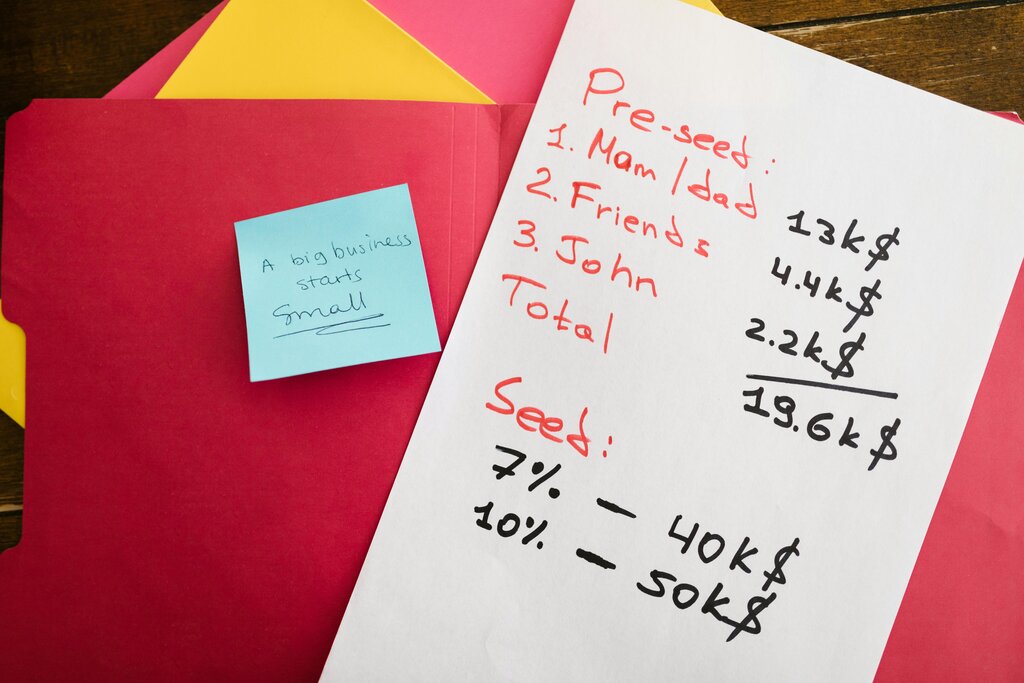
Who Writes the Checks?
At this early stage, startups don't have much to show besides a plan and the founders' passion. That's why pre-seed investors are often people who are betting on the team as much as the idea.
The most common sources of pre-seed funding are:
- Founders' own savings: Many entrepreneurs invest their own money first.
- Friends and Family: These investors trust you personally and want to see you succeed.
- Angel Investors: These are wealthy individuals who invest their own money in startups in exchange for equity. They often have experience in the industry and can provide valuable mentorship.
Angel Investor
noun
A high-net-worth individual who provides financial backing for small startups or entrepreneurs, typically in exchange for ownership equity in the company.
These investors aren't expecting a detailed financial spreadsheet with five years of projections. They know it's too early for that. Instead, they want to see a clear explanation of the problem you're solving, a compelling vision for the solution, and a team that has the skills and determination to make it happen.
Pre-seed investors primarily bet on the founders. A great team with a decent idea is often more fundable than a mediocre team with a great idea.
Pre-Seed vs. Seed
While the names sound similar, pre-seed and seed funding rounds are distinct stages. The pre-seed round is about building a foundation and validating the idea. The seed round, which comes later, is about planting the validated idea in the market and starting to grow.
At the seed stage, what convinces investors is your ability to communicate vision, traction, and a credible path forward.
The main differences come down to the company's maturity, the amount of money raised, and the types of investors involved.
| Feature | Pre-Seed Funding | Seed Funding |
|---|---|---|
| Purpose | Validate idea, build prototype | Achieve product-market fit, acquire first users |
| Amount | $10k - $250k | $250k - $3M |
| Company Stage | Concept, early prototype | Working product, early traction |
| Investors | Founders, Friends & Family, Angels | Angel Investors, early-stage VCs |
Securing pre-seed funding is a startup's first major test. It’s about convincing someone that your spark of an idea is worth nurturing into a flame.
What is the primary goal of pre-seed funding?
Which of the following is typically NOT a source of pre-seed funding?