Pre-Run Fuel Coffee vs. Beetroot Juice
Caffeine for Performance
How Caffeine Works Its Magic
To understand how caffeine boosts your run, you need to meet a molecule called adenosine. Throughout the day, as your brain works, adenosine builds up. It binds to specific receptors in your brain, which slows down nerve cell activity and makes you feel sleepy. Think of it as your body's natural brake pedal.
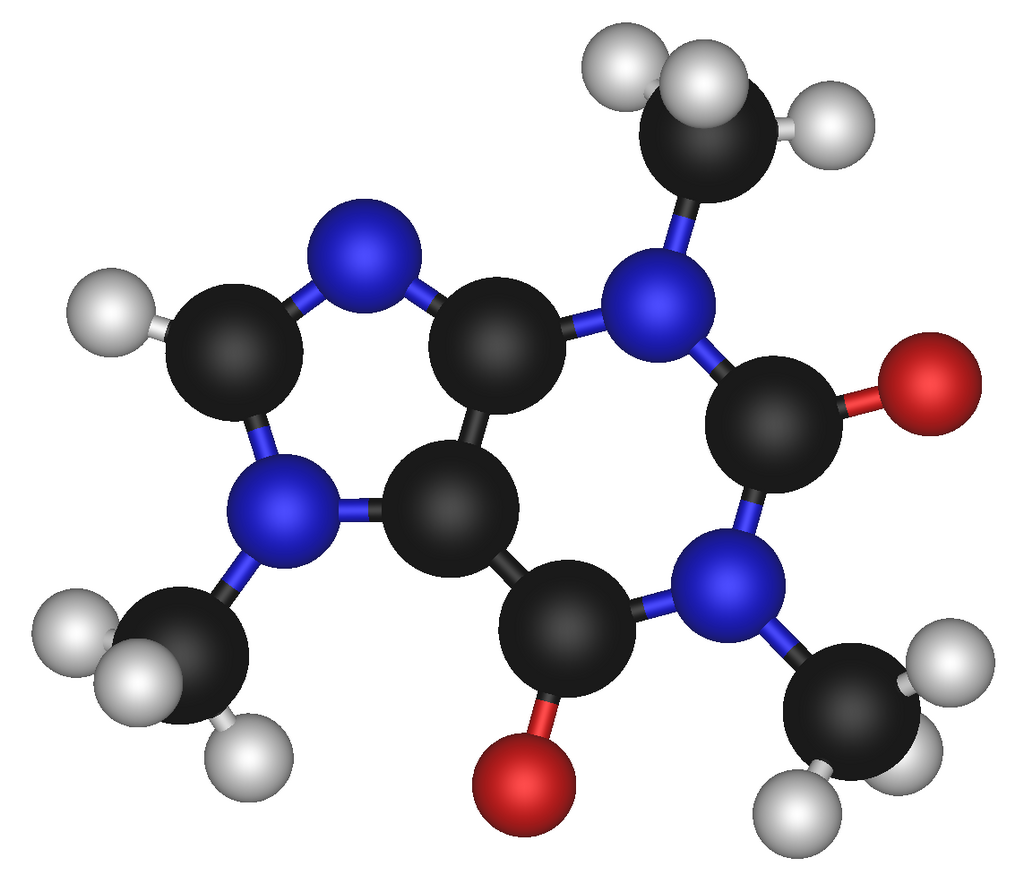
Caffeine has a similar molecular structure to adenosine, allowing it to fit perfectly into the same receptors. But instead of slowing things down, caffeine blocks adenosine from binding. It's like putting a block of wood under the brake pedal. Your nerve cells don't get the signal to slow down, so they speed up. This central nervous system stimulation leads to increased alertness and a feeling of wakefulness.
When caffeine arrives on the scene and blocks adenosine from binding to its receptors, it promotes dopamine and norepinephrine release leading to increased mood, focus and motivation, similar to the neural processes triggered by other stimulant drugs.
Running Feels Easier
This neural effect has a direct impact on your performance. One of the biggest benefits of caffeine for runners is a reduction in your (RPE). Because your brain is more alert and less sensitive to signals of fatigue, the same physical effort feels easier. A seven-minute mile pace might feel more like a seven-fifteen pace, mentally.
Caffeine also appears to blunt the perception of pain. This doesn't mean you won't feel an injury, but it can help you push through the normal discomfort associated with hard, sustained effort. By tricking your brain into feeling less tired and less sore, you're often able to run harder for longer.
Tapping Into Fuel Stores
Beyond its effects on the brain, caffeine also influences how your body uses fuel. It encourages your body to break down stored fat into fatty acids, a process called fat oxidation. These fatty acids are then released into the bloodstream and can be used by your muscles for energy.
This is particularly beneficial for endurance events like half-marathons and marathons. By encouraging your body to burn more fat for fuel, especially during the early to middle stages of a run, caffeine helps spare your limited stores of muscle glycogen for when you need them most, like for a final push to the finish line. This "glycogen-sparing" effect can delay fatigue and extend your endurance.
Now that you know how caffeine works, let's test your knowledge.
What is the primary way caffeine boosts alertness in the brain?
According to the text, caffeine encourages the body to burn more of which fuel source, especially during the early stages of a run?
Understanding these mechanisms is key to using caffeine effectively in your pre-run routine. It's not just about a morning jolt; it's about strategically influencing your body's perception of effort and use of fuel.