Prayer and Fasting Practices
Introduction to Prayer and Fasting
What Are Prayer and Fasting?
At their core, prayer and fasting are fundamental human practices that span nearly every culture and faith. They are ways people seek connection, meaning, and self-mastery. Though they often go together, they are distinct disciplines.
Prayer
noun
The act of communicating with a deity, a higher power, or one's own inner self. It can be a structured ritual or a spontaneous, personal conversation.
Prayer is a form of communication. It can be spoken aloud, recited from a text, or held silently in the mind. It might involve requests, words of gratitude, or simply the act of being present and listening. People pray alone on a mountaintop or together in a crowded hall. The forms are endless, but the intent is often the same: to connect with something larger than oneself.
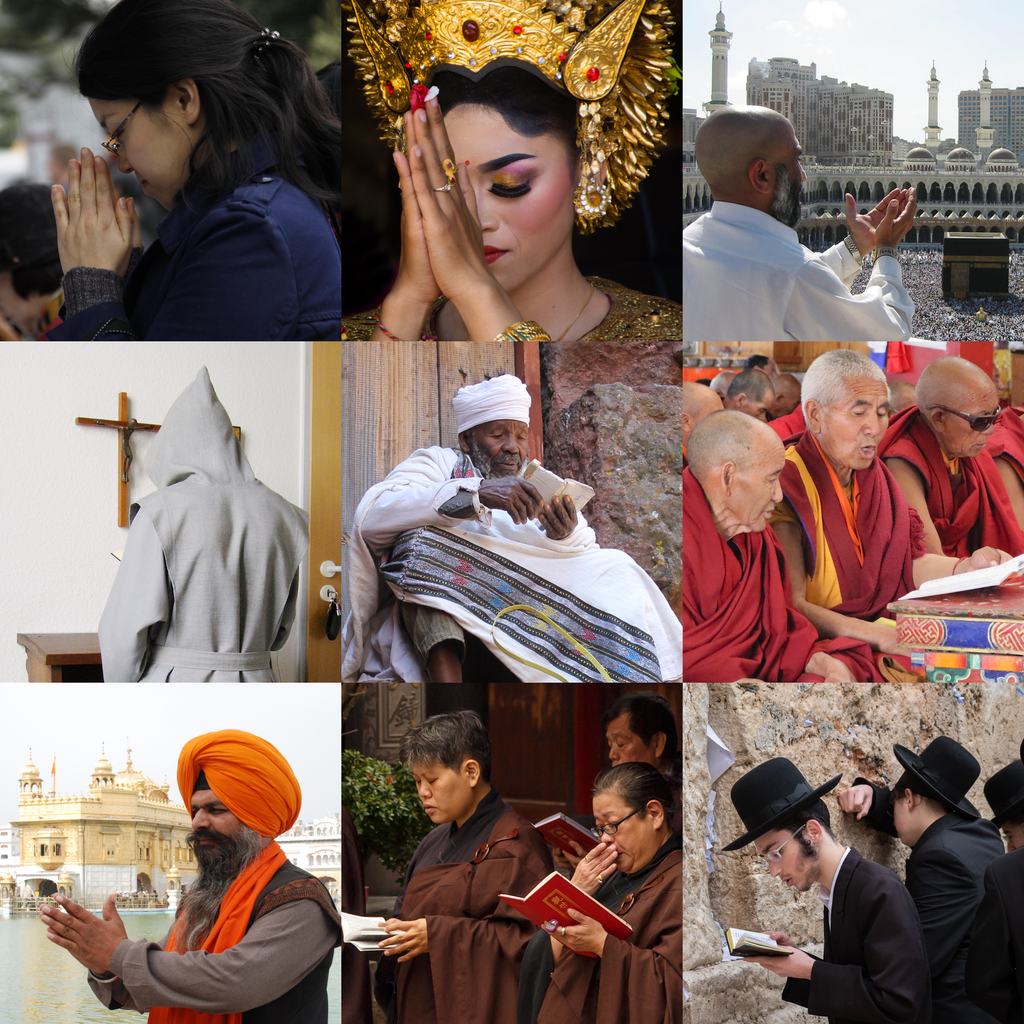
Fasting, on the other hand, is about subtraction. It’s the intentional decision to abstain from something, usually food, for a period of time. This isn't about dieting; it's a spiritual exercise.
Fasting
noun
The willful refrainment from eating and sometimes drinking from a set period of time. In a spiritual context, it can also include abstaining from other worldly pleasures.
By temporarily setting aside a physical need like eating, the practitioner aims to sharpen their focus on spiritual matters. It's about creating space for reflection and quieting the body to better hear the soul.
Ancient Roots, Timeless Goals
Prayer and fasting are not new ideas. They are ancient practices found in historical records from all over the world, from the sages of the East to the desert fathers of the West. Early societies used fasting to prepare for rituals, mourn losses, or seek guidance from the divine. Prayer was the means to articulate their hopes, fears, and reverence.
While the specific methods have evolved, the underlying purposes remain remarkably consistent. These practices are tools for personal transformation.
Fasting is the natural response of a whole person (body, mind, spirit, soul) to a sacred and grievous moment in life.
By engaging in these disciplines, individuals seek to cultivate virtues like self-control, empathy, and gratitude. The physical emptiness from a fast can foster a deeper appreciation for sustenance and a greater compassion for those who live with hunger. The mental stillness of prayer can bring clarity and peace in a chaotic world.
| Practice | Primary Purpose |
|---|---|
| Prayer | To build a relationship with a higher power, express gratitude, seek guidance, and find inner peace. |
| Fasting | To develop self-discipline, purify the body and mind, cultivate empathy, and deepen spiritual focus. |
More Than a Personal Journey
While prayer and fasting are deeply personal, they are also powerful communal acts. Many traditions incorporate group prayer into their regular services, creating a shared experience that strengthens bonds among members. Voicing intentions and beliefs together reinforces a sense of belonging and collective identity.
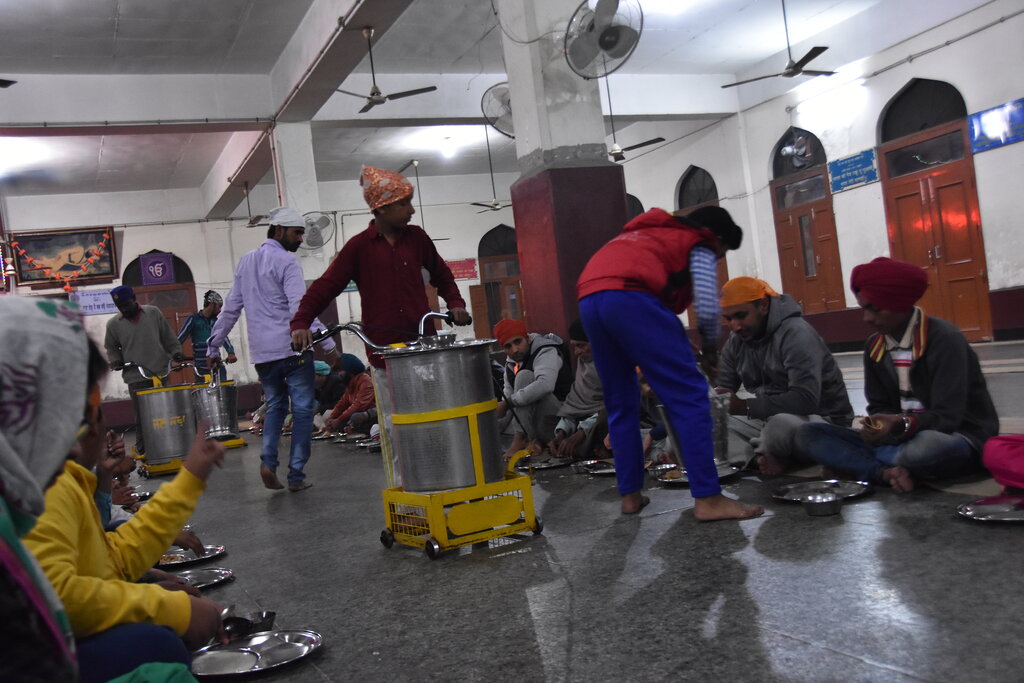
Similarly, periods of communal fasting, where an entire community abstains together, can create a profound sense of solidarity. Sharing the challenge of the fast and then breaking it together in celebration builds connection and mutual support.
These practices serve as anchors, grounding individuals in their spiritual beliefs while also weaving them into the fabric of their community.
Ready to check your understanding of these core concepts?
According to the text, what is the primary intent behind the act of prayer?
Fasting is described as a spiritual exercise, not as a form of dieting.
Prayer and fasting are enduring human traditions. They are pathways to inner reflection, self-discipline, and connection, both with the divine and with each other.