Prague's Charm History Architecture Culture
Prague's Early History
The City on the Vltava
Prague's story begins along the winding Vltava River. For centuries, this valley was a natural crossroads for trade routes that crisscrossed Europe. Slavic tribes settled the area around the 6th century, but the city's legendary founding is credited to a visionary princess named Libuše. As the story goes, she stood on a rocky cliff overlooking the river and prophesied the rise of a great city "whose glory will touch the stars."
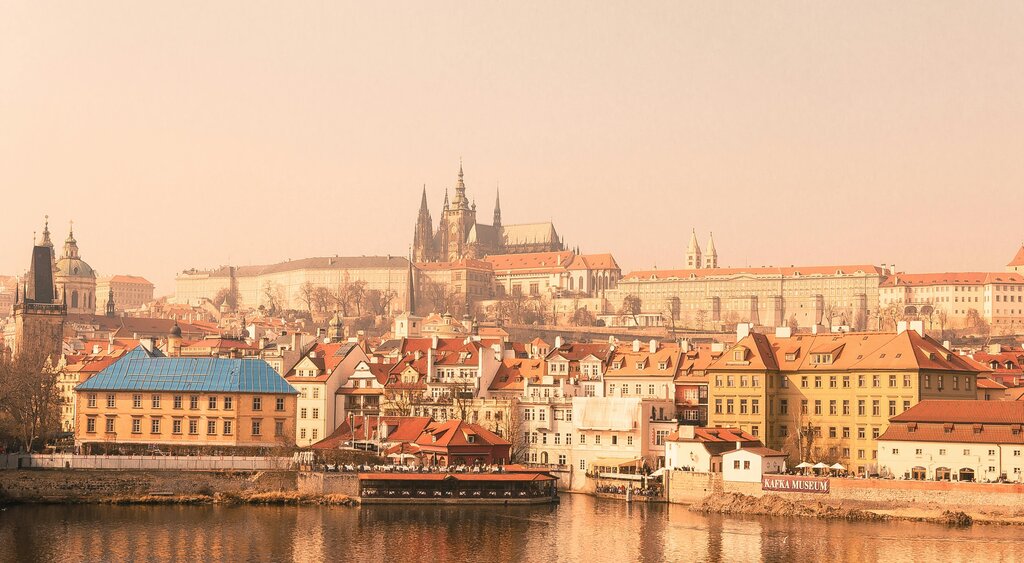
History picks up the thread in the 9th century when the Přemyslid dynasty, the first rulers of the Czech state, established a fortified settlement on a prominent hill. This stronghold would grow to become Prague Castle, the political and spiritual heart of the region. Across the river, another fortress called Vyšehrad rose, establishing a second pole of power. Between these two castles, a vibrant community began to take shape.
A Tale of Two Towns
In the shadow of the castles, distinct settlements flourished. On the river's east bank, the Staré Město, or Old Town, grew into a bustling marketplace. It attracted merchants from across Europe, and in 1232, King Wenceslaus I granted it town privileges, allowing it to build defensive walls and govern itself. Its heart was the Old Town Square, which remains the city's central hub.
Across the river, nestled beneath Prague Castle, the Malá Strana, or Lesser Town, developed. This district was home to the artisans who served the royal court and the nobles who wanted to live close to the seat of power. For a time, Old Town and Lesser Town were separate entities with their own markets and laws.
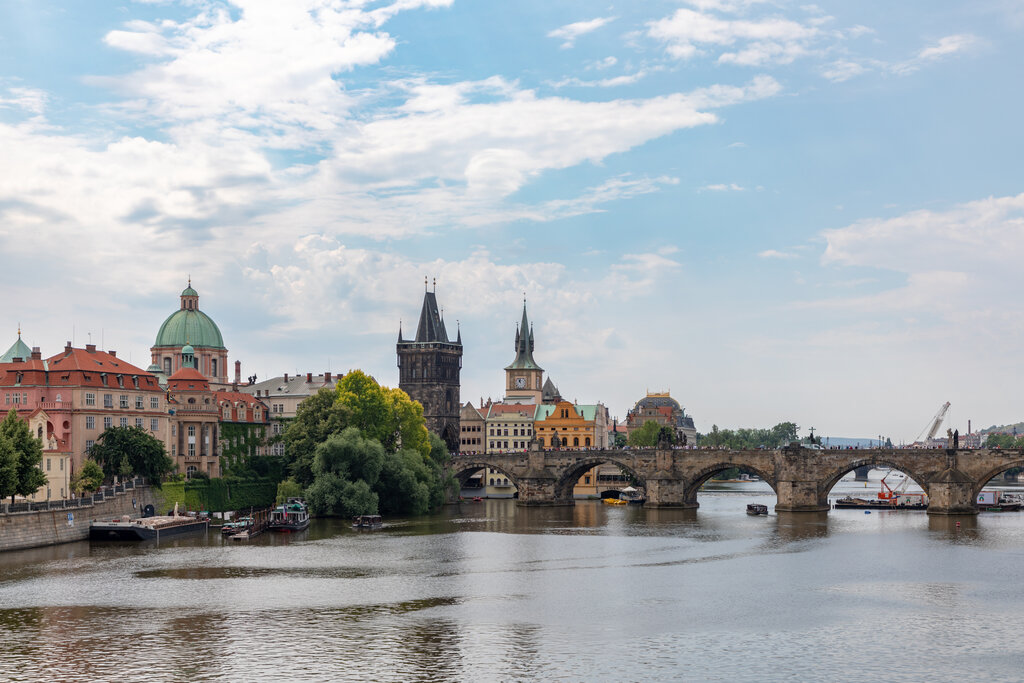
To connect these growing centers, the Judith Bridge was built in 1172. It was the first stone bridge to span the Vltava, replacing an earlier wooden one. This vital link physically and economically unified the two sides of the river, laying the groundwork for a single, powerful city.
The Golden Age
Prague truly came into its own in the 14th century under the rule of Charles IV, King of Bohemia and Holy Roman Emperor. He chose Prague as the capital of his vast empire, ushering in an era of unprecedented growth and prestige.
Prague’s golden age is commonly understood to be the period during the reign of King and Holy Roman Emperor Charles IV (1346-1378), who made Prague his residential capital and commissioned many of the famous structures we see today.
Charles was a master city planner. He founded Nové Město, or New Town, greatly expanding the city's footprint to accommodate its growing population. In 1348, he established Charles University, the first university in Central Europe. He also commissioned a new, grander stone bridge to replace the Judith Bridge, which had been damaged by a flood. Today, it is known as the Charles Bridge and is one of the city's most iconic landmarks.
His vision transformed Prague from a regional town into a magnificent European capital, a center of art, learning, and politics.
Turmoil and Reform
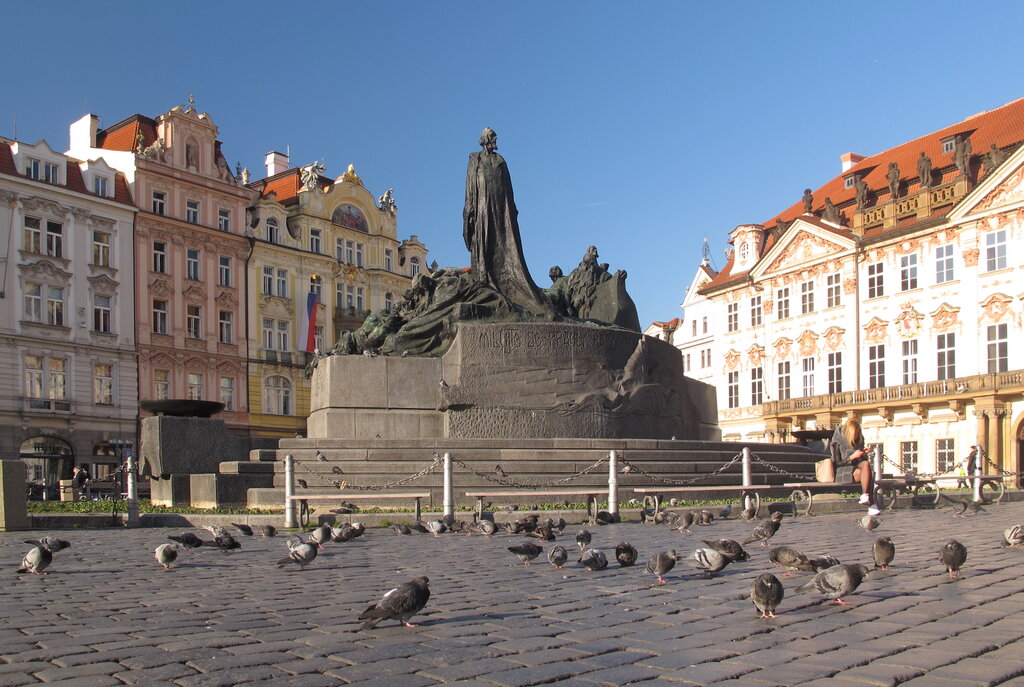
The prosperity of the 14th century gave way to the religious and political turmoil of the 15th. Discontent with the wealth and power of the Catholic Church was growing across Europe, and in Prague, it found a powerful voice in a university rector and preacher named Jan Hus.
Hus criticized church corruption and advocated for reforms, gathering a large following among the Czech people. His execution for heresy in 1415 sparked outrage and ignited the Hussite Wars, a series of conflicts that pitted his followers against the Holy Roman Emperor and Catholic loyalists.
Prague became the epicenter of this rebellion. In 1419, radical Hussites stormed the New Town Hall and threw several Catholic councillors from the windows—an event known as the First Defenestration of Prague. For two decades, the city and the surrounding lands were engulfed in war. Though Prague suffered during the conflict, the Hussite movement profoundly reshaped the Czech religious and national identity for centuries to come.
From its mythic origins to its role as the heart of a religious war, Prague's early history was a dynamic period of construction, growth, and conflict that forged the city's enduring character.
Ready to test your knowledge of Prague's early history?
According to legend, who prophesied the founding of a great city in Prague?
Which two fortified settlements formed the earliest poles of power along the Vltava River?