Practices of the Hauntological Drift
Tactical Egoism
The Sovereign Drifter
Forget the map. The city is not a set of instructions to be followed, but a territory to be claimed. This is not a claim of legal ownership, but one of experience. The foundation for this approach is the idea of the 'Unique'—a concept from the radical philosopher that places your individual self, your Ego, as the sole arbiter of meaning. You are not a citizen, a pedestrian, or a consumer following prescribed paths. You are the Unique, and your whim is the only true compass.
This means treating the city as your property. Not property to be bought or sold, but to be consumed. Every street you walk, every shortcut you discover, every landmark you reinterpret becomes part of your own unique experience. You possess the city by using it, by imposing your own transient order upon its permanent structures. The desire to turn left down an unfamiliar alley is more valid than a sign directing you to a tourist trap.
Tactics Against Strategy
To understand this mode of engagement, we must distinguish between strategy and tactics, as framed by the theorist Michel de Certeau. A strategy is the calculus of power, available only to those with a base of operations—a place from which to manage relations with an exterior. City planners, governments, and corporations employ strategies. They design road networks, zone districts for commerce, and place surveillance cameras. They create the official, legible city.
A tactic, conversely, is the art of the weak. It is the clever manoeuvre that operates within the enemy's field of vision, without a base of its own. A tactic is a poacher's move. It doesn't own the forest, but it knows how to hunt there. In the city, a tactic is cutting through a shopping centre to avoid a crowded street, using a public bench for a nap, or finding an unintended view from a multi-storey car park. It is a momentary seizure of space and time.
Strategy belongs to the powerful. Tactics are the weapons of the powerless. The sovereign drifter uses tactics to navigate a world built on strategy.
Walking as Rebellion
It is crucial to frame this kind of walking as rebellion, not revolution. A revolution aims to overthrow the existing power structure and install a new one. It wants to seize the base of operations and create a new strategy. Tactical walking has no such grand ambition. It is a personal, continuous act of insubordination.
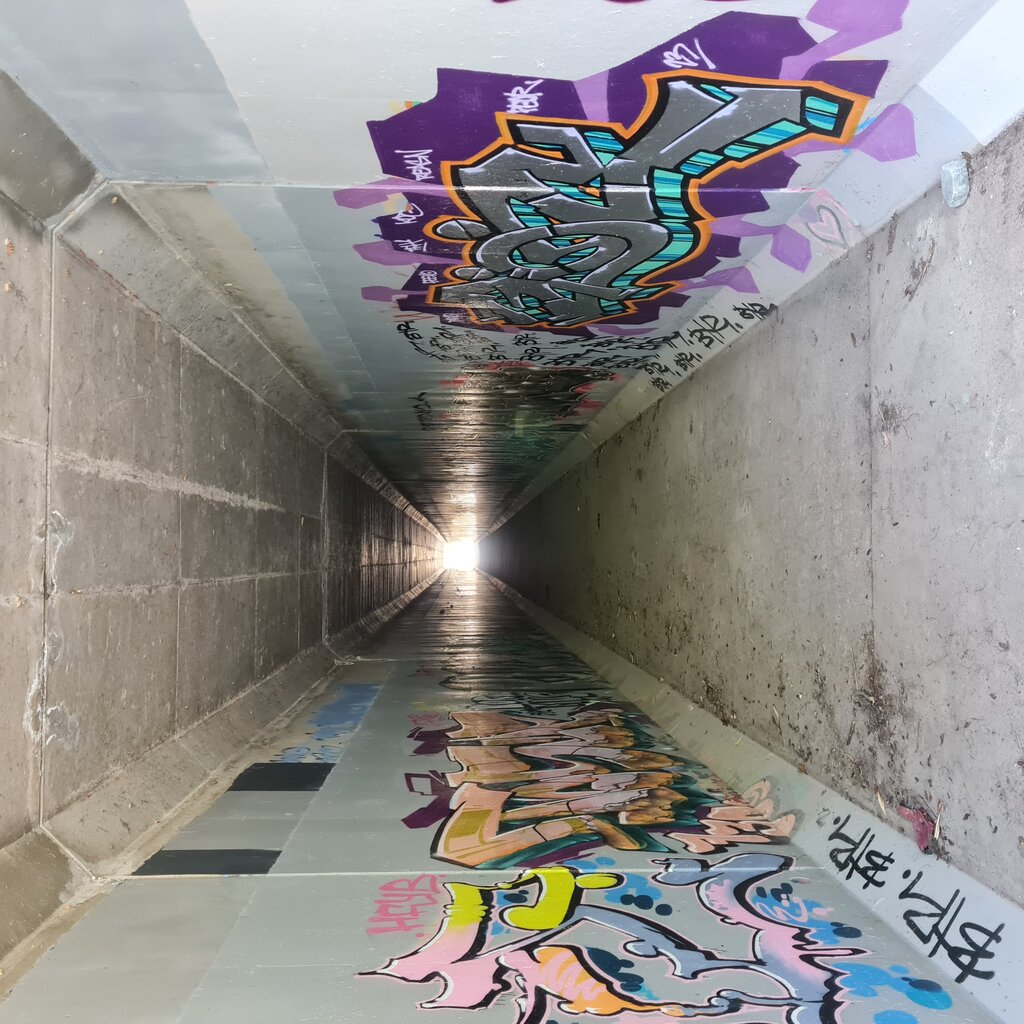
The rebellion of the drifter is in the assertion of the whim. It does not seek to tear down the system but to poach from it, to operate in its cracks and shadows. Each tactical choice—each deviation from the expected route—is a small refusal of the city's strategic logic. It is an affirmation that your unique path, however ephemeral, holds more authority than the permanent grid laid out before you.
Here's a quick check on these core ideas.
According to the text, what is the primary principle that should guide your movement through a city?
A city government installing a network of public transport is an example of a 'strategy'.
This framework—the Unique as navigator, the city as consumable property, and the walk as tactical rebellion—is the starting point. It transforms urban exploration from a passive activity into an act of sovereign self-assertion. With this foundation, we can begin to document the spectral traces this journey reveals.