Practical Vehicle Operation Essentials
Cockpit Mastery
Ergonomics for Control
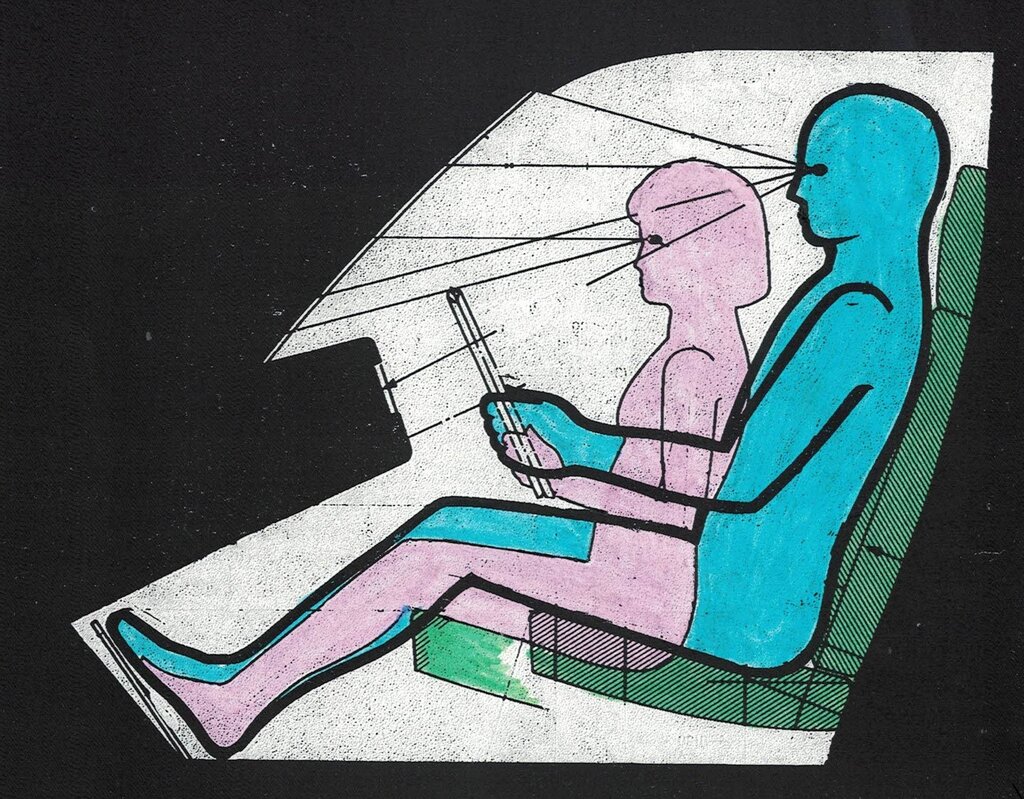
Your car's cockpit is more than just a seat with a wheel. It's a command centre. A precise driving position isn't about long-journey comfort, though that's a nice side effect. It's about maximising leverage, feedback, and control. When you're properly connected to the vehicle, you can feel what the tyres are doing and apply inputs with accuracy.
Start with your seat base. Slide it forward or back until you can fully depress the brake pedal (and clutch, if you have one) with a distinct bend remaining in your knee. Your leg should never be fully straight at maximum pedal travel. This bend provides fine control for modulation and crucial bracing force in an emergency stop.
Next, the seatback. With your shoulders firmly against the seat, extend your arms straight out. Your wrists should rest comfortably on top of the steering wheel. If you have to pull your shoulders away from the seat to reach, you're too far. This position ensures you can steer through a full range of motion without leaning forward, keeping your inputs smooth and your body supported.
Total Situational Awareness
Your mirrors are not for admiring the side of your own car. Their purpose is to eliminate blind spots, creating a seamless panoramic view of the world around you. Most drivers set them incorrectly, creating dangerous overlaps with their peripheral vision and leaving large areas unmonitored.
The goal is to see a passing car hand off seamlessly from your rear-view mirror, to your side mirror, and then into your peripheral vision without ever disappearing.
To achieve this, use the BGE (Blind spot and Glare Elimination) method. For the driver's side mirror, lean your head until it touches the side window, then adjust the mirror so you can just see the flank of your car. For the passenger side, lean your head towards the centre of the car and do the same. Your interior rear-view mirror should frame the entire rear window. When set correctly, the fields of view won't overlap, they'll stitch together.
Reading Your Car's Vitals
The dashboard is your car's health monitor. Interpreting its signals in real time separates advanced drivers from passive operators. Beyond the obvious speedometer, the tachometer, temperature gauges, and warning lights are providing a constant stream of critical data.
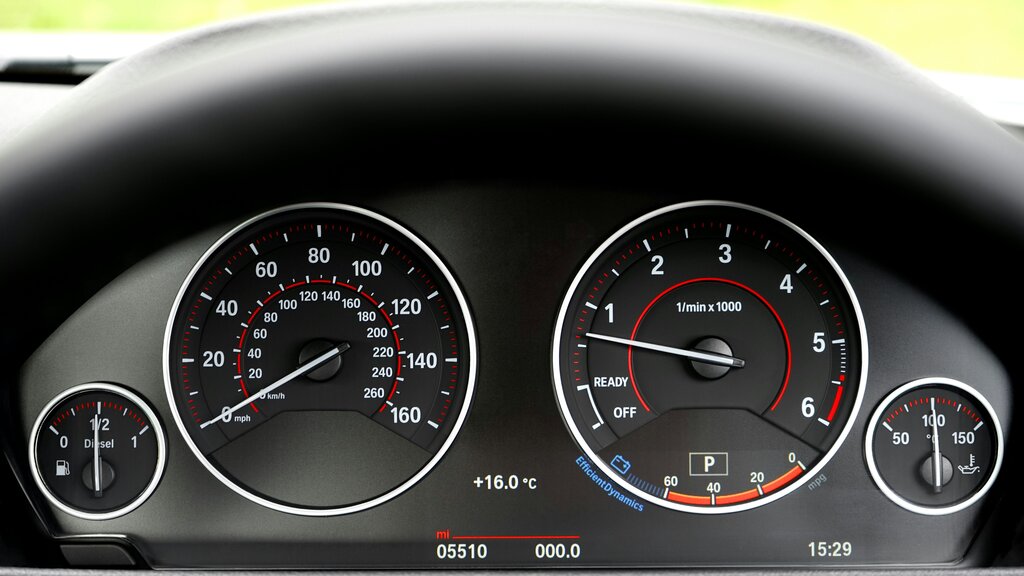
The tachometer, which measures engine revolutions per minute (RPM), is key to managing the engine's for either performance or efficiency. For spirited driving, you want to keep the engine in the heart of its power band—the RPM range where it produces the most torque and horsepower. This is usually in the upper-mid range, just before the redline. Upshifting just as the power starts to trail off keeps the car in its sweet spot. For economy, you shift early, keeping RPMs low to conserve fuel.
Equally important are the temperature and pressure gauges. The engine coolant temperature gauge should settle in the middle after the car warms up. If it starts creeping towards the 'H' (Hot), especially under load like climbing a hill, it's an early warning. Backing off the throttle can prevent overheating and catastrophic engine damage. Likewise, the oil pressure light is not a suggestion. If it illuminates while driving, it signals a critical loss of —the lifeblood of your engine's lubrication. The correct response is to pull over and shut off the engine immediately to prevent seizure.
Finally, learn the language of your dashboard's warning lights. They aren't just decoration. A solid yellow light, like the check engine or TPMS symbol, is a notification. It means something is not operating correctly, but the vehicle is likely safe to drive to a garage. A flashing yellow or red light, however, is a critical alert. It signals a severe issue that could cause immediate damage or a safety risk. When you see one, find a safe place to stop.
When setting your seat's distance from the pedals, what is the correct leg position when the brake pedal is fully depressed?
To correctly set your seatback angle, your wrists should rest on top of the steering wheel while your shoulders are kept firmly against the seat.
By integrating these practices—correct posture, total awareness, and constant monitoring—you transform from someone who simply drives a car into a true operator who is in sync with their machine.