Practical Self-Care for Racial Trauma Recovery
Understanding Racial Trauma
What Is Racial Trauma?
Trauma isn't just about a single, shattering event. It can also build up over time from repeated, painful experiences. Racial trauma is the mental and emotional injury caused by encounters with racial bias, discrimination, and racism.
Racial Trauma
noun
The psychological and emotional harm caused by experiences of racism and discrimination. It can result from direct experiences, witnessing racist acts, or the cumulative effects of systemic racism.
Think of it like a constant, low-level stress that occasionally spikes with overt acts of prejudice. It stems from the reality that your race can impact your safety, your opportunities, and how you're seen by others. This isn't just about feeling offended; it's a deep wound that affects a person's entire sense of self and well-being.
Racial trauma is a response to the danger of racism. It's the mind and body trying to protect itself from a persistent threat.
Where It Comes From
The sources of racial trauma are widespread and can be deeply embedded in society. They range from personal interactions to systemic issues that have existed for generations.
Some common causes include:
- Direct experiences of racism: This can be anything from overt hate speech and physical violence to subtle microaggressions, like being followed in a store or having your name repeatedly mispronounced.
- Witnessing racism: Seeing others being targeted because of their race, whether in person or through media, can be just as traumatic as experiencing it firsthand.
- Systemic racism: This refers to the policies and practices within institutions that create and maintain racial inequality. Examples include discrimination in housing, employment, healthcare, and the justice system.
- Intergenerational trauma: The effects of historical trauma, such as slavery and colonization, can be passed down through generations, shaping the experiences and health outcomes of entire communities today.
The violence and victimization brought by colonization and slavery and justified for over a century by race-based science have resulted in enduring inequities for Black, Indigenous and People of Color (BIPOC) across the United States.
The Toll on Mind and Body
Constantly navigating a world with racial bias takes a significant toll. The stress isn't just in your head; it manifests in real, measurable ways throughout your body.
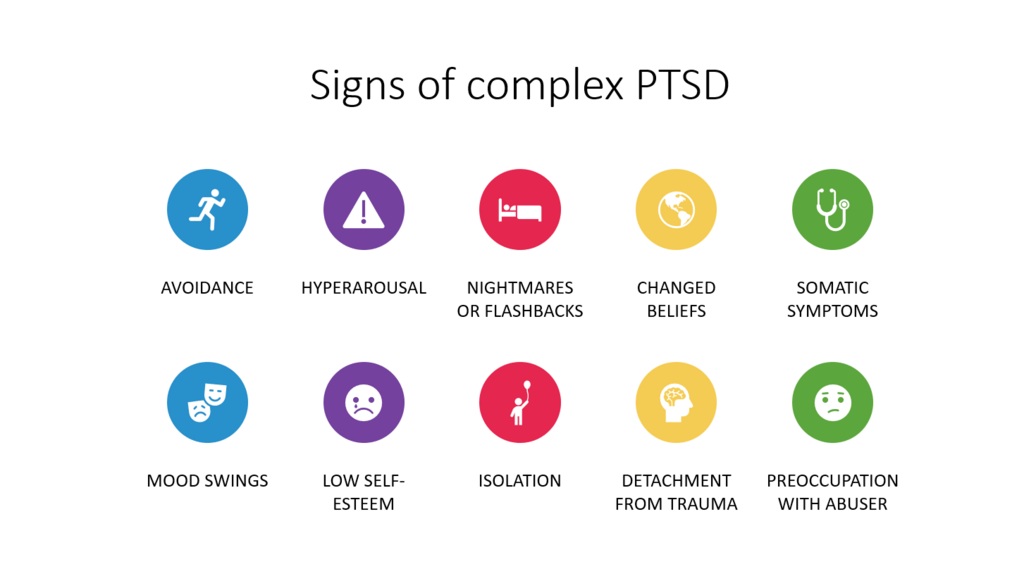
Psychologically, racial trauma can look a lot like Post-Traumatic Stress Disorder (PTSD). It can lead to:
- Hypervigilance: A state of being constantly on guard, scanning for potential threats.
- Anxiety and Depression: Persistent feelings of worry, sadness, and hopelessness.
- Avoidance: Staying away from situations or people that might trigger memories of past racist encounters.
- Low Self-Esteem: Internalizing negative stereotypes and questioning your own worth.
Physiologically, the body reacts to this chronic stress as a constant state of emergency. This
This state of alert can lead to a host of physical health problems, including headaches, digestive issues, high blood pressure, and increased risk for heart disease. It's the body's way of showing that the burden of racism is more than just an emotional one.
Which of the following best defines racial trauma?
The effects of historical trauma, such as slavery and colonization, being passed down through generations is known as:
Understanding what racial trauma is and how it affects people is the first step. By recognizing its sources and symptoms, we can begin to see the profound impact of racism on individual and community health.