Practical Machine Learning Mastery
Introduction to Machine Learning
What is Machine Learning?
Machine learning is a way of teaching computers to learn from data. Instead of writing explicit, step-by-step instructions for a task, programmers build a system that can find patterns and make decisions on its own. It's a field within the broader category of Artificial Intelligence (AI).
Think of it like this: you don't teach a child to recognize a dog by describing its features in code. You show them pictures of dogs, and eventually, they learn to identify dogs they've never seen before. Machine learning works in a similar way.
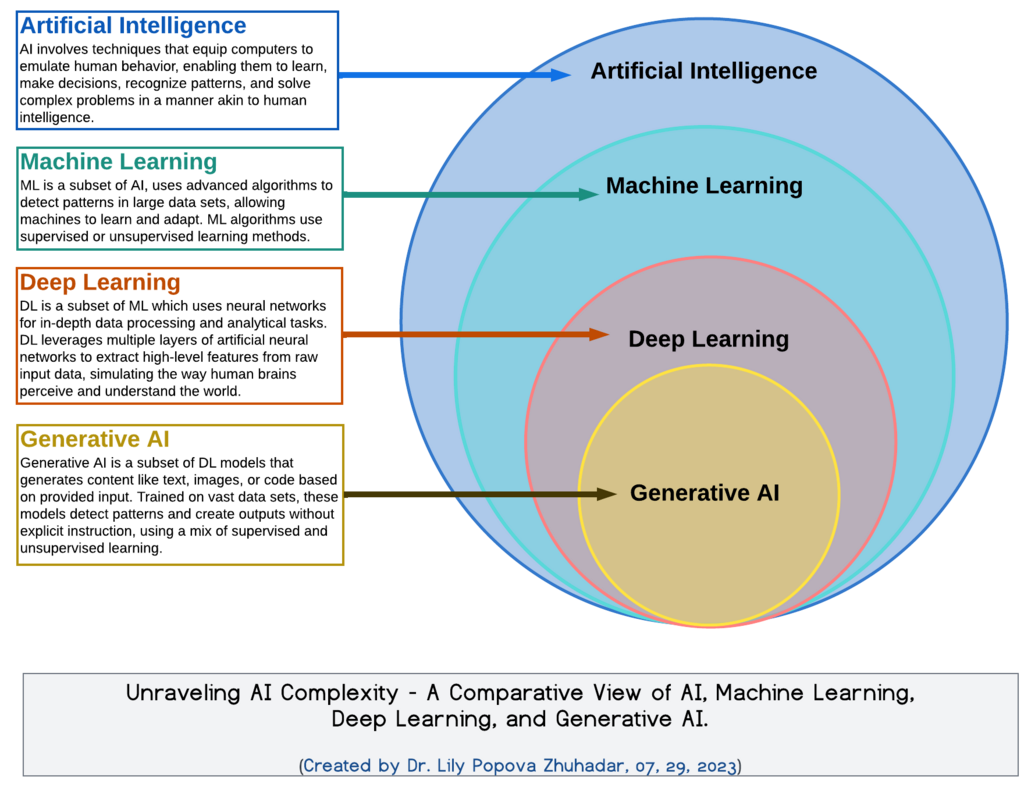
The core idea is to use data to “train” a model. This model can then be used to make predictions or classify information about new, unseen data. For example, after being trained on thousands of emails, a machine learning model can learn to predict whether a new email is spam or not.
Three Ways Machines Learn
There isn't just one way to teach a machine. The approach depends on the type of data you have and the problem you want to solve. The three main types of machine learning are supervised, unsupervised, and reinforcement learning.
Supervised Learning
noun
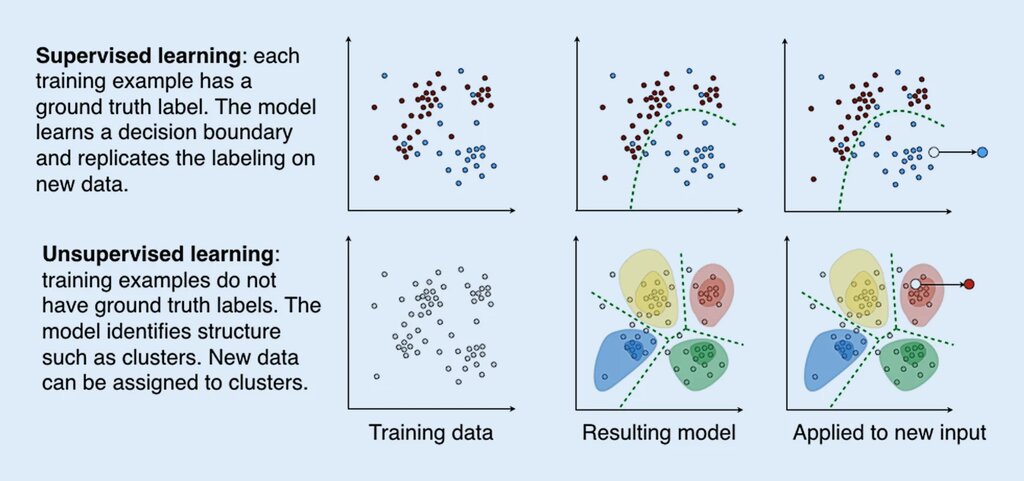
The machine learns from data that is already labeled with the correct answers. It's like a student learning with a teacher and an answer key.
In supervised learning, you feed the algorithm a dataset where the outcomes are already known. For instance, to predict if a credit card transaction is fraudulent, you'd train a model on a large dataset of past transactions, each clearly labeled as either 'fraudulent' or 'legitimate'. The model learns the characteristics associated with each label. Then, when a new transaction comes in, it can predict which category it falls into.
Unsupervised Learning
noun
The machine learns from unlabeled data, finding hidden patterns and structures on its own without any answer key.
With unsupervised learning, you don't provide any correct answers. Instead, you ask the machine to find the underlying structure of the data. A common use is grouping similar customers together based on their purchasing habits. The algorithm might discover different customer segments—like 'frequent shoppers,' 'bargain hunters,' and 'weekend browsers'—all without being told what to look for.
Reinforcement Learning
noun
The machine learns by performing actions and receiving rewards or penalties. It's based on trial and error.
Reinforcement learning is modeled after how humans and animals learn. An algorithm, or 'agent', interacts with an environment. It tries different actions, and the environment provides feedback in the form of rewards or punishments. The agent's goal is to learn a strategy, called a policy, that maximizes its total reward over time. This is how AI can learn to play video games, control robotic arms, or manage financial portfolios.
Machine Learning in the Wild
Machine learning is not just a theoretical concept; it's already a part of our daily lives. Many of the services we use every day are powered by it.
| Application | How It Uses Machine Learning |
|---|---|
| Recommendation Engines | Suggests movies on Netflix or products on Amazon based on your past behavior (unsupervised learning). |
| Spam Filters | Classifies incoming emails as spam or not spam by learning from a massive dataset of labeled emails (supervised learning). |
| Voice Assistants | Siri and Alexa use machine learning to understand and respond to your spoken commands. |
| Self-Driving Cars | Use a combination of learning types, including reinforcement learning, to navigate roads and make driving decisions. |
| Medical Diagnosis | Analyzes medical images like X-rays or MRIs to help doctors detect diseases earlier and more accurately (supervised learning). |
These examples are just the tip of the iceberg. As we collect more data and develop better algorithms, machine learning will continue to find new ways to solve complex problems and change how we interact with technology.
Let's check your understanding of these core concepts.
What is the fundamental principle of machine learning?
You are building a system to predict house prices using a dataset of past sales, where each house's features (size, location) and its final sale price are known. Which type of machine learning is most appropriate?