Practical Data Analysis Workflow
Analytical Workflow Integration
From Question to Action
Turning a vague business question into a specific, data-driven solution requires a structured approach. It’s not about aimlessly exploring data; it’s about following a repeatable workflow that ensures your analysis is relevant, focused, and leads to clear outcomes. This process acts as a roadmap, guiding you from the initial problem all the way to a practical decision.
Think of it as the difference between a chef randomly throwing ingredients in a pot and one following a detailed recipe. Both might produce a meal, but only the recipe guarantees a consistent, high-quality result every time. In data analysis, this 'recipe' is a standardised workflow.
A Framework for Analysis: CRISP-DM
One of the most widely used frameworks is the methodology. It's a cyclical process designed to make data projects more efficient and predictable. Rather than a rigid, linear path, it's a loop, acknowledging that insights from later stages often lead you to revisit earlier assumptions.
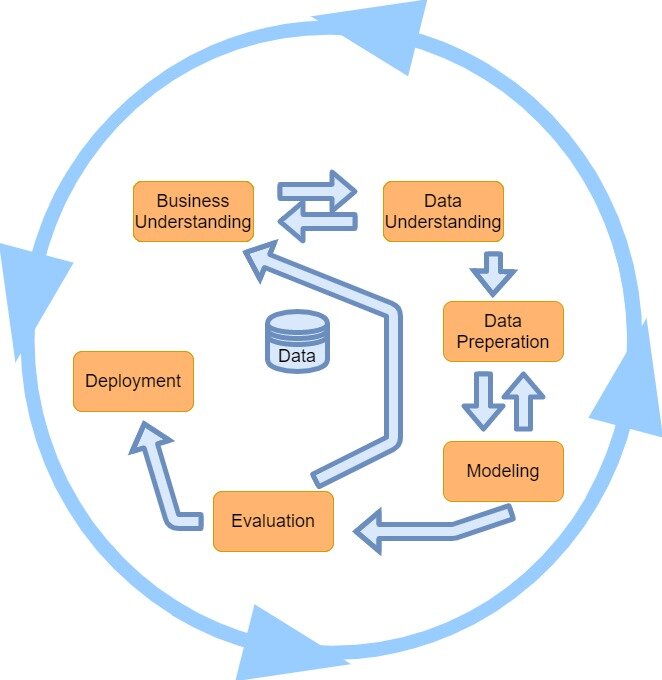
The framework consists of six phases:
- Business Understanding: Defining the project objectives from a business perspective.
- Data Understanding: Collecting and exploring the initial data.
- Data Preparation: Selecting, cleaning, and transforming the raw data into its final form.
- Modelling: Choosing and applying various modelling techniques.
- Evaluation: Assessing the model to ensure it meets the business objectives.
- Deployment: Integrating the model and its findings into business operations.
Framing the Problem
The most critical phase is the first one: Business Understanding. A brilliant analytical model is useless if it solves the wrong problem. This stage is about translating a broad business goal into a specific, answerable question. For instance, a goal to "improve marketing" is too vague. A well-framed problem might be, "Which marketing channel delivered the highest return on investment for our new product launch last quarter?"
This is where stakeholder expectation management comes in. It involves sitting down with the people who will use the results of your analysis. You need to understand their needs, what success looks like to them, and what decisions they plan to make with your findings. This conversation ensures you aren't just delivering data; you're delivering answers they can act on.
Asking 'what decision will you make with this information?' is one of the most powerful questions an analyst can ask.
Once the problem is clear, you must define how to measure success. This is done by establishing (KPIs). KPIs are the specific, quantifiable metrics you will track to determine if you are achieving your business objective.
If the objective is to increase customer loyalty, your KPIs might be the customer churn rate, repeat purchase rate, or average customer lifetime value. These are not just numbers; they are direct measures of your progress towards a strategic goal.
Gathering the Right Data
With a framed problem and clear KPIs, the next step is data requirements gathering. This involves identifying what data you need, where it lives, and how you can access it. You must work backwards from your KPIs. To measure customer churn, what information do you need? You'll likely require customer IDs, purchase dates, subscription start/end dates, and contact information. This is where you might encounter an process.
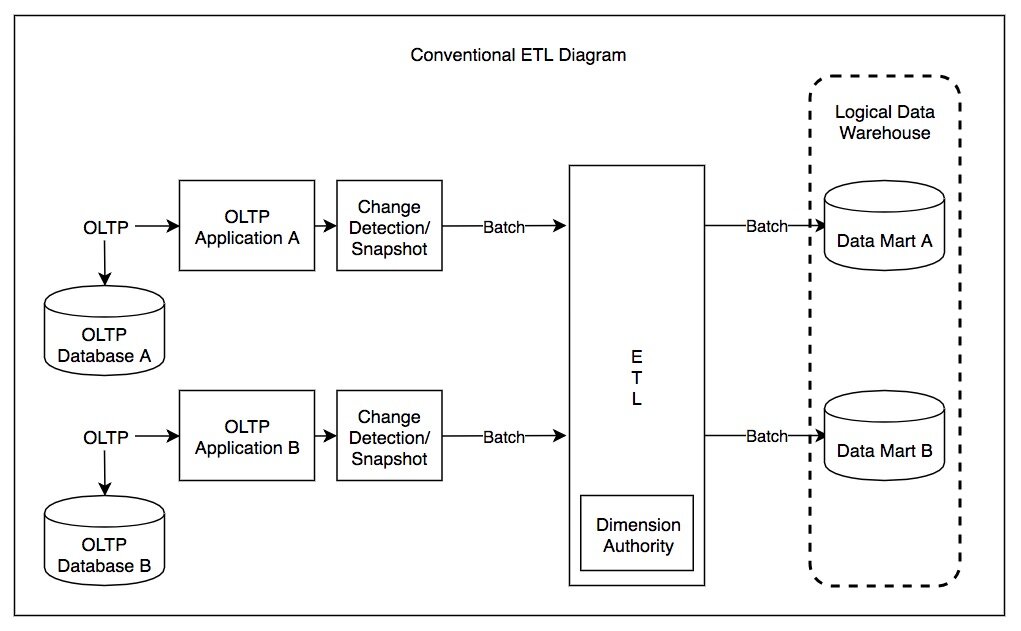
This stage often reveals gaps. You might discover that the data you need doesn't exist, is incomplete, or is stored in an inaccessible format. Identifying these issues early is crucial. It allows you to adjust your project scope or set up new data collection methods before investing too much time in the analysis itself.
By establishing this end-to-end workflow, you create a structured and repeatable process for turning business needs into analytical solutions. It ensures that your work is always tied to real-world value and that your insights lead to informed decisions.