Practical AI Security with DevSecOps
Introduction to DevSecOps
Security as a Team Sport
Traditionally, software development and IT operations worked in separate silos. Developers wrote code, and operations teams handled deploying and maintaining it. Security was often a final, separate step before release, which could lead to slow, costly fixes when problems were found late in the game.
DevOps changed this by merging development (Dev) and operations (Ops), creating a more collaborative and efficient workflow. DevSecOps takes this a step further by integrating security (Sec) into every part of the process. It’s not just a final check, but a continuous part of the entire development lifecycle.
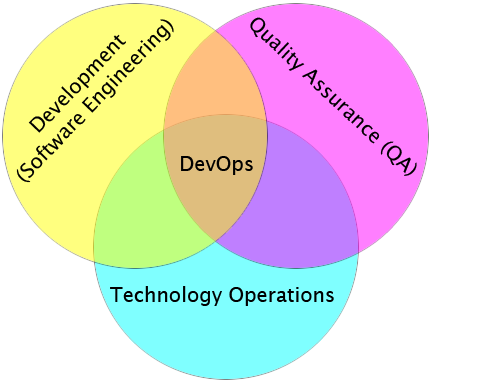
The core idea is to "shift left." Instead of waiting until the end to think about security, you move it earlier into the development process. This means addressing security concerns from the very beginning, when they are easier and cheaper to fix.
The "shift-left" approach to security involves integrating security measures early in the development process, rather than treating them as a separate step at the end of the lifecycle.
The Engine of Automation
How do teams practice this continuous security? The engine behind DevSecOps is the CI/CD pipeline. This stands for Continuous Integration and Continuous Deployment (or Delivery).
Continuous Integration
noun
The practice of developers regularly merging their code changes into a central repository, after which automated builds and tests are run.
Continuous Deployment automates the release of that code to a production environment once it passes all the automated tests. Think of it as a seamless flow from a developer's machine all the way to the live application.
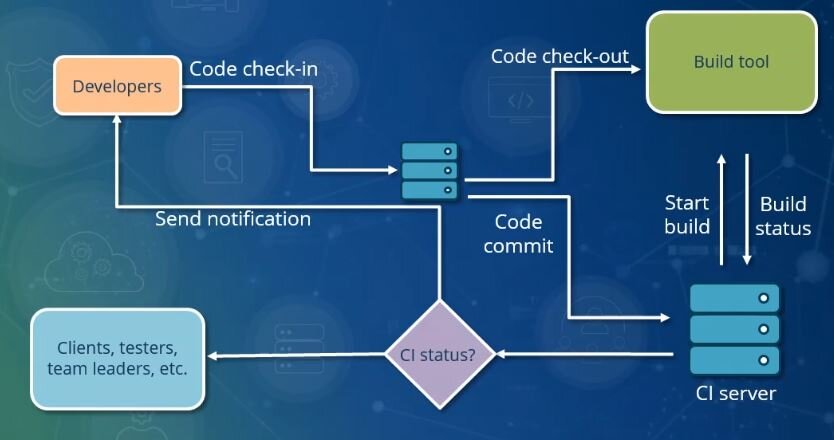
In a DevSecOps model, security checks are built directly into this automated pipeline. Every time code is merged, it can be automatically scanned for common vulnerabilities, dependency issues, and other security flaws. This makes security a consistent, automated part of development, not a manual bottleneck.
By incorporating security testing into the CI/CD pipeline, organizations can ensure that security issues are detected and resolved quickly, reducing the likelihood of vulnerabilities being introduced into production environments.
More Than Just Tools
While automation is key, DevSecOps is fundamentally a cultural shift. It breaks down the walls between development, security, and operations teams, fostering a shared sense of responsibility for the product's security.
Instead of security being the job of one team, it becomes everyone's job. Developers learn to write more secure code from the start. Operations teams understand how to configure infrastructure securely. Security experts act as advisors who empower the other teams with the right tools and knowledge.
In a strong DevSecOps culture, security is not a gatekeeper, but a partner in building great, secure software.
This collaborative approach ensures that security is woven into the fabric of the software development lifecycle, leading to more resilient and secure applications delivered at the speed modern businesses require.
Time to test your knowledge.
What is the primary change introduced by the "shift left" principle in DevSecOps?
In a DevSecOps model, when are automated security checks typically performed?
By integrating security from the start, teams can build better, safer products without sacrificing speed.