Practical AI Automation and Workflow Integration
Mapping Automation Pipelines
Charting Your Automation Course
Before you can automate a business process, you need to understand it completely. The first step is to identify tasks that are strong candidates for automation. Look for work that is repetitive, high-volume, and rule-based. These are your low-hanging fruit.
However, the best targets are not just easy, they're also high-impact. Ask yourself: Which processes, if automated, would free up the most human time for creative or strategic work? Which ones are notorious for errors or delays? Answering these questions helps you prioritize where to apply Robotic Process Automation (RPA) for structured tasks and Large Language Models (LLMs) for more nuanced, data-driven decisions.
From Static Blueprints to Live Maps
Traditionally, mapping a business process meant creating a flowchart. A consultant would interview employees, draw boxes and arrows, and produce a static document representing the ideal workflow. This blueprint is useful for initial understanding, but it has a short shelf life. It can't show you what's actually happening day-to-day, with all the variations and exceptions.
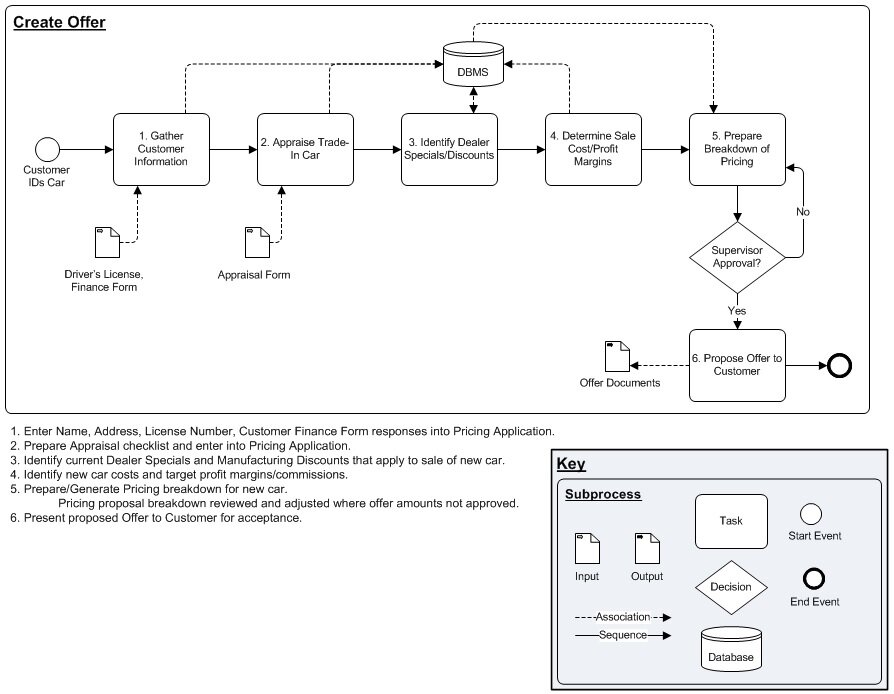
Modern AI-driven process mapping, often called process mining, takes a different approach. These tools connect directly to your company's software systems—like your CRM, ERP, or custom databases. By analyzing event logs, they create a dynamic, visual representation of your workflows as they truly are, not just as they were designed.
This creates a “digital twin” of your process, reflecting every deviation and delay. Instead of relying on interviews and assumptions, you get a data-backed view of reality.
The real power of this AI-powered view is its ability to automatically surface inefficiencies. You don't have to hunt for bottlenecks; the data highlights them for you. The map might reveal that invoices from a specific vendor always get stuck in an approval loop, or that customer requests submitted after 3 PM on Fridays take 48 hours longer to process. These are the precise points where a well-designed automation pipeline can deliver the most value.
Documenting the Details
Once you've mapped the process and identified bottlenecks, you need to document the details required to build an automation. This means capturing every decision point—the moments where a human makes a choice. What information do they use? What are the rules that guide their decision? This is where an LLM can often augment or replace human judgment, but only if the logic is clearly defined.
Equally important is tracking the data flow. You must document where data originates, how it's transformed, and where it ends up. Inconsistent or missing data is one of the most common reasons automation projects fail. A successful pipeline requires clean, predictable inputs.
| Step | Decision Point | Input Data | Logic / Rules | Output |
|---|---|---|---|---|
| Invoice Approval | Does the invoice amount exceed $5,000? | Invoice PDF, PO Number | If amount > $5,000, requires manager approval. If PO matches, auto-approve. | 'Approved' or 'Pending Manager Review' |
Finally, before you build anything, define what success looks like. Clear metrics are essential for proving the value of your automation pipeline. Instead of a vague goal like "be more efficient," set specific targets. This could be reducing the average time to process a claim from three days to four hours, cutting the error rate in data entry by 90%, or increasing the number of customer support tickets resolved per hour.
What are the three primary characteristics of tasks considered 'low-hanging fruit' for automation?
How does modern AI-driven process mapping (process mining) differ from traditional process mapping?
This detailed mapping and documentation phase is the foundation of a successful automation project. It transforms an abstract business process into a concrete blueprint, ready to be built into a robust, multi-step AI-driven system.