Power System Frequency Explained
Power System Basics
From Source to Socket
An electric power system is the vast network that gets electricity from where it's created to where it's used. Think of it as a three-stage journey: generation, transmission, and distribution. Each step is essential for powering our homes, schools, and businesses.
Making the Power
Electricity generation is the process of converting other forms of energy into electrical energy. This usually happens at a power plant. The most common method involves spinning a turbine, which is a large machine with blades, similar to a fan or a jet engine. The spinning turbine then turns a generator.
A generator is a device that converts mechanical energy into electrical energy. It works on the principle of electromagnetic induction. When a coil of wire spins within a magnetic field, it creates an electric current. The faster the turbine spins the generator, the more electricity is produced.
Different types of power plants use various methods to spin their turbines:
- Fossil Fuel Plants: Burn coal, oil, or natural gas to boil water, creating high-pressure steam that spins the turbine.
- Nuclear Plants: Use the heat from nuclear fission to boil water, producing steam.
- Hydroelectric Plants: Use the force of flowing water from a dam to turn the turbine.
- Wind Farms: Use wind to directly spin the blades of a large turbine.
Solar power is a bit different. Photovoltaic (PV) solar panels convert sunlight directly into electricity without needing a turbine or generator.
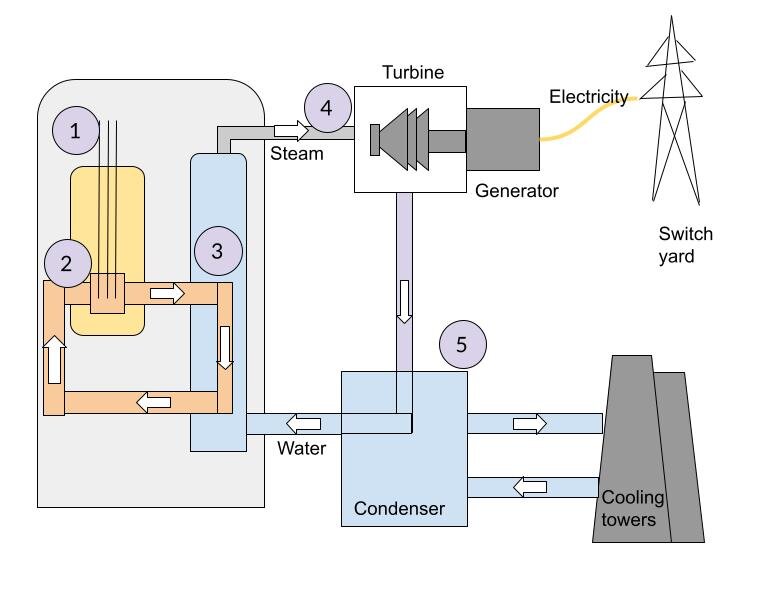
The Electrical Highway
Once electricity is generated, it needs to travel, often over long distances. Power plants are typically located far from populated areas. This long-distance journey is called transmission.
To move electricity efficiently, its voltage is increased dramatically by a device called a step-up transformer. Sending electricity at very high voltages (often over 100,000 volts) reduces the amount of energy lost as heat along the power lines. It's similar to how pushing water through a pipe at high pressure is more efficient than at low pressure.
This high-voltage electricity travels across the country along thick cables called transmission lines, which are supported by tall metal structures called transmission towers or pylons.
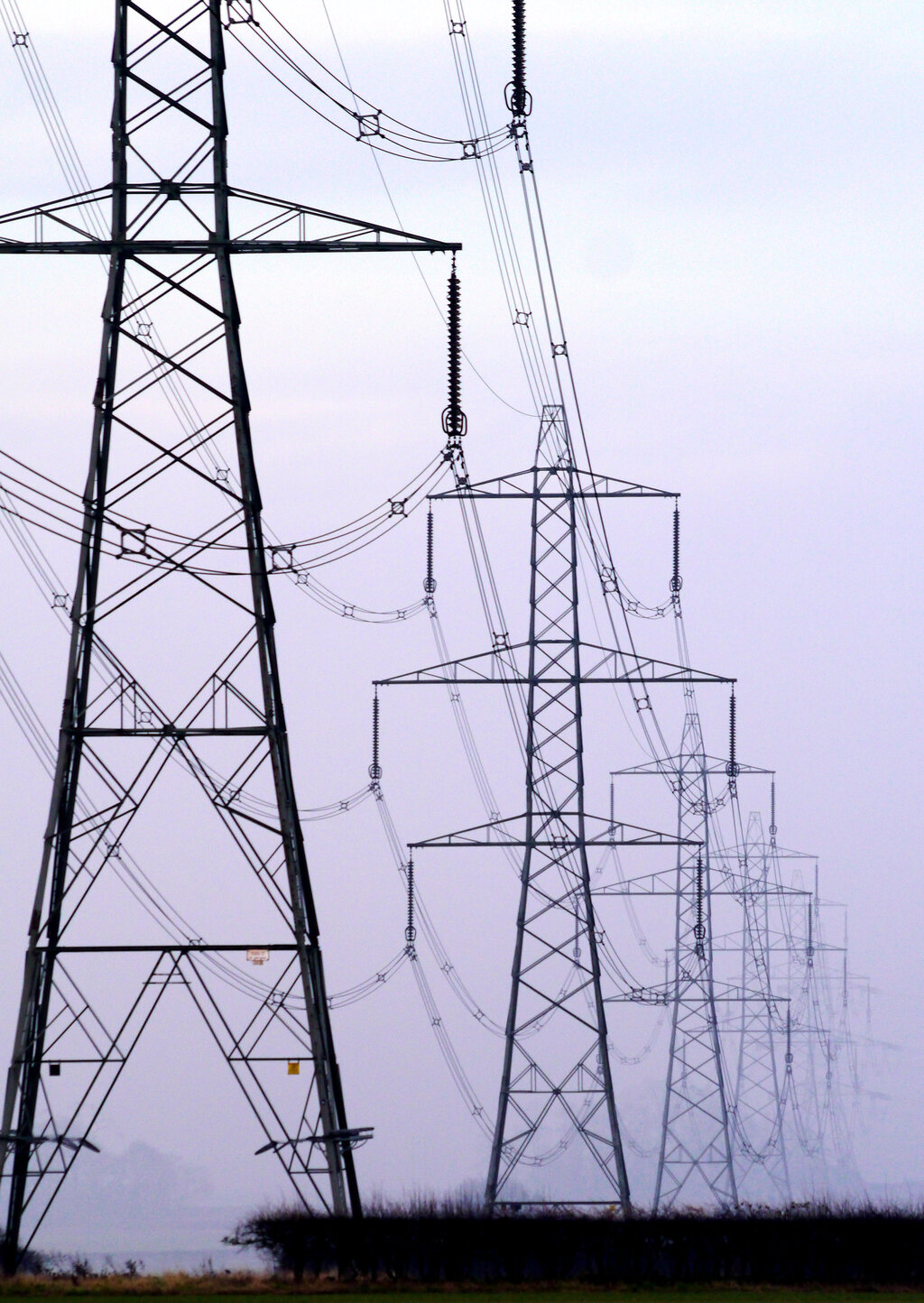
The transmission network forms a grid, connecting multiple power plants to various cities and towns. This grid ensures a reliable supply; if one power plant goes offline, others can pick up the slack.
Distribution to Your Doorstep
The high-voltage electricity carried by transmission lines is not safe for use in homes and businesses. Before it reaches you, it must be converted to a lower, safer voltage. This is the job of the distribution network.
The transmission lines bring power to electrical substations. These facilities are the link between the transmission and distribution systems. Inside a substation, large step-down transformers reduce the voltage to a more manageable level.
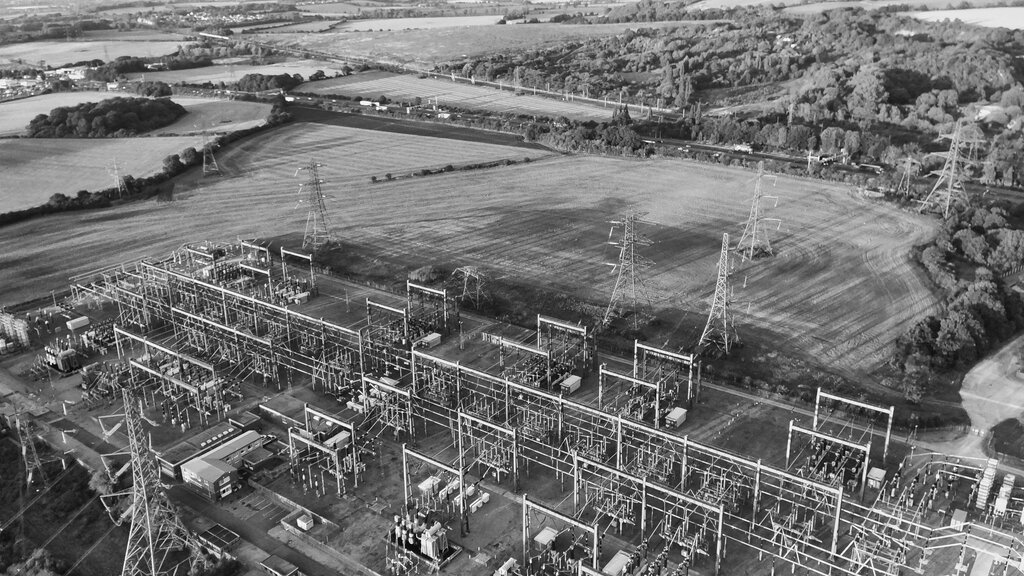
From the substation, smaller power lines, known as distribution lines, carry the electricity into neighborhoods. These are the lines you see running along streets, either on overhead poles or buried underground.
Before the power enters a specific building, it often passes through one final, smaller transformer. You might see these as a grey can mounted on a utility pole or a green metal box on the ground. This transformer steps the voltage down one last time to the standard level used by your outlets and appliances. From there, the electricity flows through a meter, into your building's wiring, and finally to your socket.
Ready to check your understanding? This quiz covers the core ideas of how power gets from its source to you.
What is the primary role of a generator in most power plants?
Why is electricity transmitted over long distances at very high voltages?
This three-part system of generation, transmission, and distribution works together continuously to deliver the power that fuels our modern world.