Power Plant Efficiency Comparison
Introduction to Power Plant Efficiency
What Is Power Plant Efficiency?
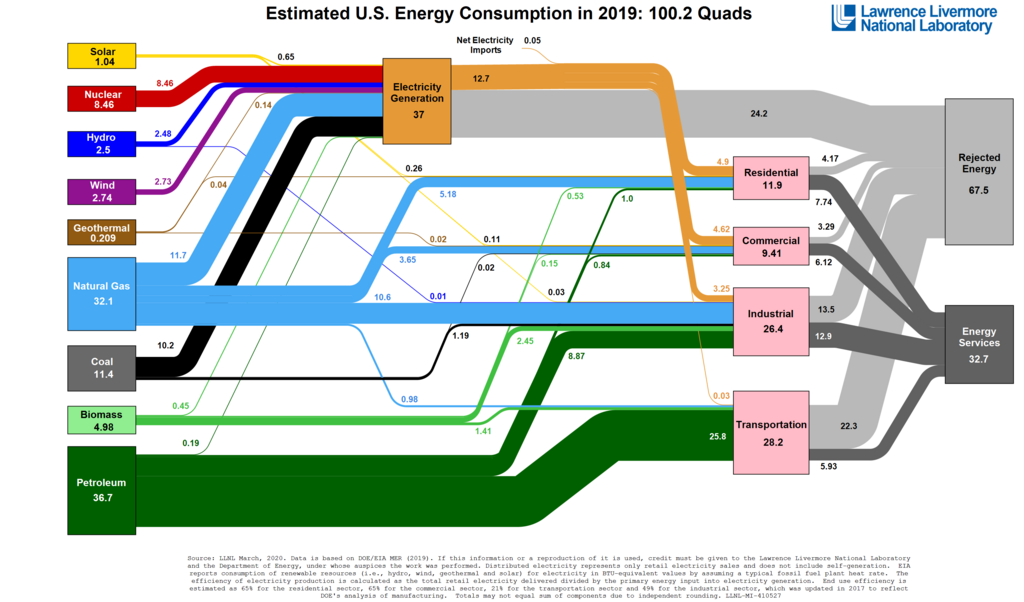
A power plant's job is to convert one form of energy, like the chemical energy in natural gas, into electrical energy. But no conversion is perfect. Some energy is always lost along the way, usually as heat. Power plant efficiency is a measure of how well a plant performs this conversion.
Think of it like a leaky bucket. If you pour 10 gallons of water into a bucket but only 4 gallons make it to your garden, the rest having leaked out, your bucket isn't very efficient. Similarly, if a power plant burns enough coal to release 100 units of energy but only produces 35 units of electricity, its efficiency is 35%.
Why Efficiency Matters
A plant's efficiency has huge economic and environmental consequences. A more efficient plant needs less fuel to generate the same amount of electricity. This means lower operating costs and, often, lower prices for consumers.
Environmentally, higher efficiency is a big win. Burning less fuel means releasing fewer pollutants and greenhouse gases, like carbon dioxide, into the atmosphere. Squeezing more electricity out of every lump of coal or puff of natural gas is a key way to reduce the energy sector's environmental footprint.
The Laws of the Universe
So why can't we just build a 100% efficient power plant? The answer lies in the fundamental laws of physics, specifically thermodynamics.
The Second Law of Thermodynamics states that whenever energy is converted from one form to another, some of it is lost as waste heat. It's an unavoidable toll that nature charges for every energy transaction. This law sets a hard ceiling on how efficient any heat-based power plant can ever be.
No process can be 100% efficient in converting heat to work. There will always be some waste heat.
The maximum possible efficiency for a heat engine, which is the core of most power plants, is described by the Carnot cycle. The efficiency depends on the temperature difference between the hot source (like burning fuel) and the cold sink (like a river or cooling tower). The greater the temperature difference, the higher the potential efficiency.
Factors Affecting Efficiency
Beyond the laws of thermodynamics, several practical factors influence a plant's real-world efficiency.
Technology and Design: Newer plants with advanced turbines and boilers are generally more efficient. The materials used must withstand extreme temperatures and pressures. A combined-cycle power plant, for instance, uses waste heat from a gas turbine to power a secondary steam turbine, squeezing more electricity from the same fuel.
Operating Conditions: Power plants are designed to run most efficiently at a specific output level, known as their baseload. Ramping production up or down to meet fluctuating demand can reduce overall efficiency.
Maintenance: Just like a car, a power plant needs regular tune-ups. Worn-out parts, friction, and heat leaks all degrade performance over time. A well-maintained plant runs closer to its peak design efficiency.
Let's check your understanding of these core concepts.
What does the efficiency of a power plant primarily measure?
According to the laws of thermodynamics, what is the key to achieving the highest possible theoretical efficiency in a heat engine-based power plant?
Improving power plant efficiency is a constant goal for engineers. Even a small percentage increase can translate into massive fuel savings and a significant reduction in environmental impact.