Power Grid Modernization Certificate
Power Grid Fundamentals
The Journey of Electricity
Flip a switch, and the light comes on. It feels instant, but that electricity has traveled a long way to reach you. It moves through a vast, interconnected network called the power grid. Think of it as the circulatory system for electricity, constantly moving energy from where it's created to where it's needed.
An energy grid is a sophisticated network of power plants, transmission lines, and supporting infrastructures that deliver electricity from producers to consumers.
This journey happens in three main stages: generation, transmission, and distribution. Each step is essential to ensure that when you need power, it’s there.
Generation, Transmission, Distribution
Generation is the starting point. This is where electricity is produced. Power plants generate electricity using various energy sources, from burning fossil fuels like coal and natural gas to harnessing the power of nuclear reactions. Renewable sources, such as wind turbines, solar panels, and hydroelectric dams, are also becoming major players in power generation.
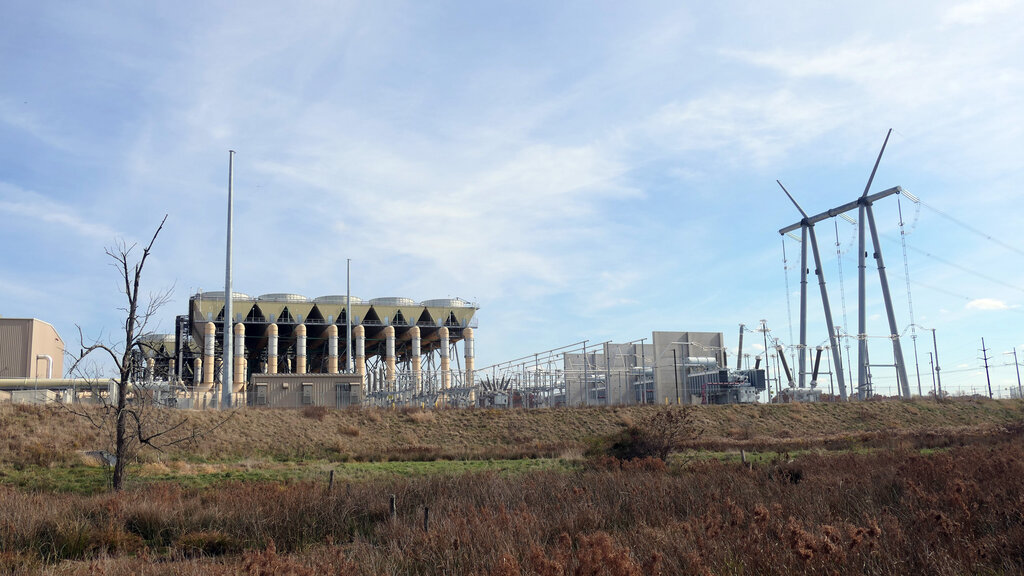
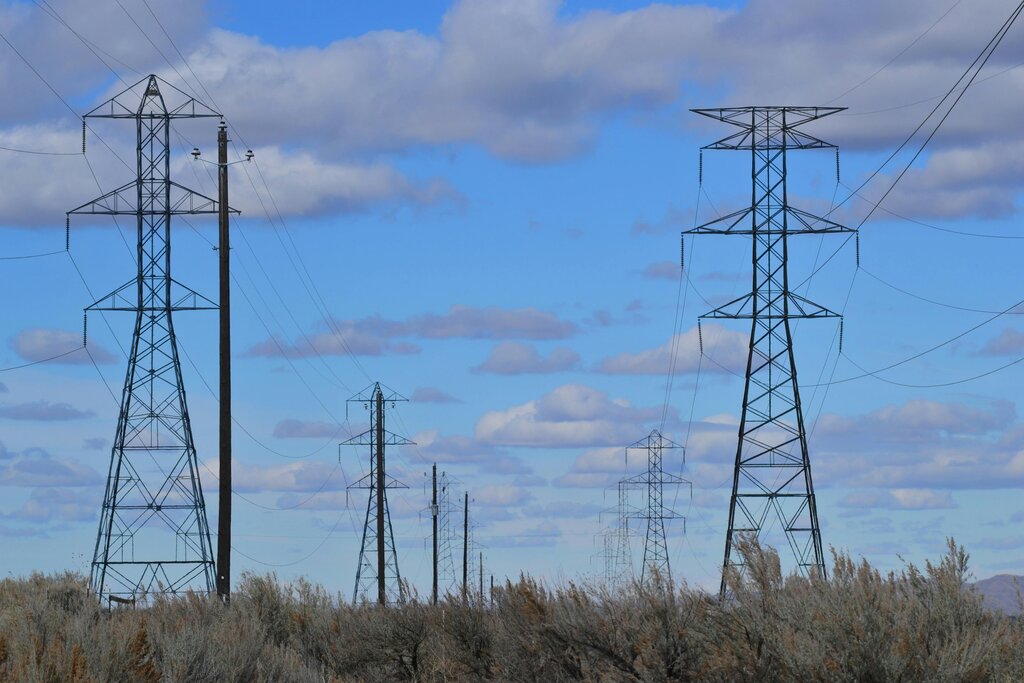
Once generated, electricity enters the transmission system. If generation plants are the factories, transmission lines are the interstate highways. They move large amounts of high-voltage electricity over long distances, connecting power plants in remote areas to population centers.
Electricity is transmitted at very high voltages—sometimes over 500,000 volts—to minimize energy loss along the way. The higher the voltage, the less energy is lost as heat.
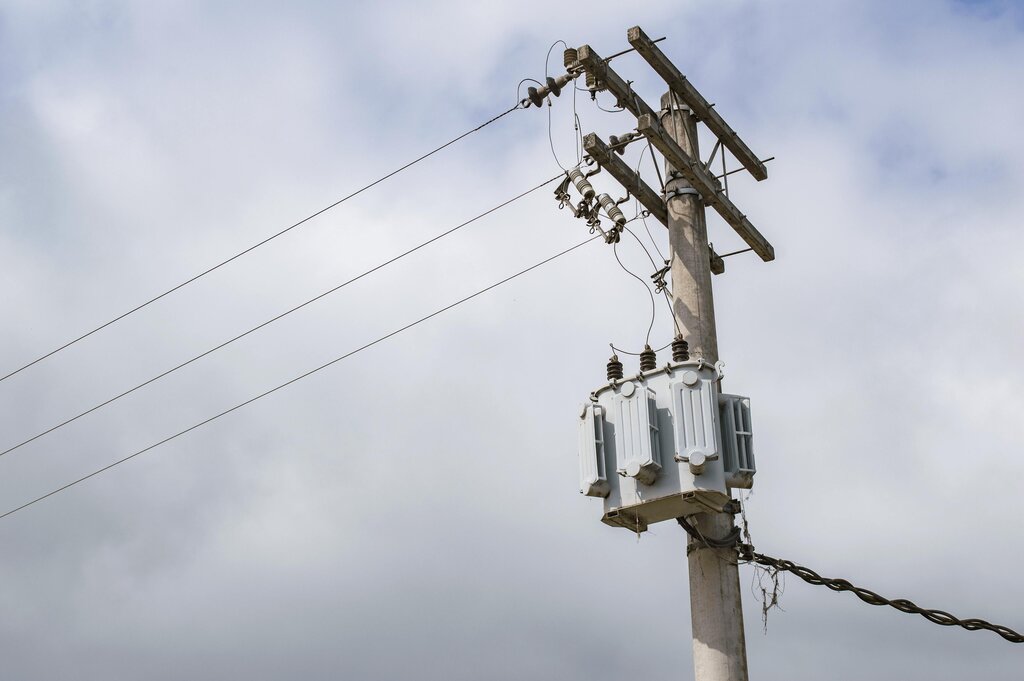
Finally, the electricity reaches the distribution system. These are the local roads that deliver power to your neighborhood. At local substations, devices called transformers step down the high voltage to a lower, safer level. From there, smaller power lines carry it to homes, schools, and businesses.
A Shift in the Flow
For over a century, the power grid worked like a one-way street. A few large, centralized power plants produced electricity, which flowed in one direction to consumers. You used power, and the utility company sent you a bill. There was no way for energy to flow back into the grid from your end.
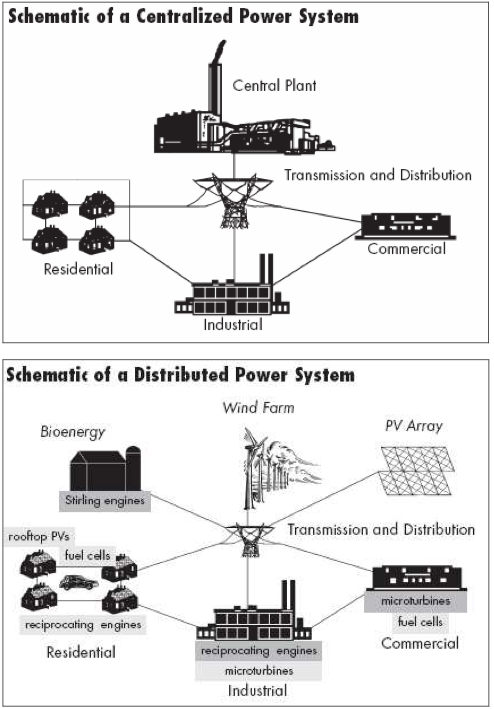
This model is now changing. The rise of renewable energy is creating a more dynamic, two-way system. Imagine a home with solar panels on the roof. On a sunny day, it might produce more electricity than it uses. With a modern grid, this excess power can be sent back to the grid for others to use.
This is a key aspect of grid modernization. The goal is to create a more flexible, reliable, and efficient grid that can handle power flowing in multiple directions. It involves upgrading old infrastructure and adding new technology to better manage the complex dance of supply and demand.
Instead of being just consumers, people and businesses can now be producers of energy, participating actively in the grid. This is sometimes called a prosumer model.
This shift isn't just about solar panels. It also includes things like electric vehicles (EVs) that can store energy and potentially feed it back to the grid, and smart appliances that can adjust their energy use based on grid conditions. The old one-way street is becoming a bustling, multi-lane highway with energy flowing in both directions.
What are the three main stages of the power grid, in the correct order from production to consumption?
Which part of the power grid is most like the local roads that deliver goods to individual stores in a city?
Understanding these fundamentals is the first step in appreciating the massive transformation our energy system is undergoing.