Power Dynamics in UN Political Organs
Introduction to the United Nations
An Idea Forged in War
The United Nations wasn't born in a moment of peace. It was conceived during the turmoil of World War II, as leaders looked for a way to prevent future global conflicts. Its predecessor, the League of Nations, had failed to stop the war, making it clear that a stronger, more effective international body was needed.
In 1945, representatives from 50 countries met in San Francisco to draft the UN Charter. This founding document laid out the organization's goals, principles, and structure. It opens with a powerful declaration: "to save succeeding generations from the scourge of war."
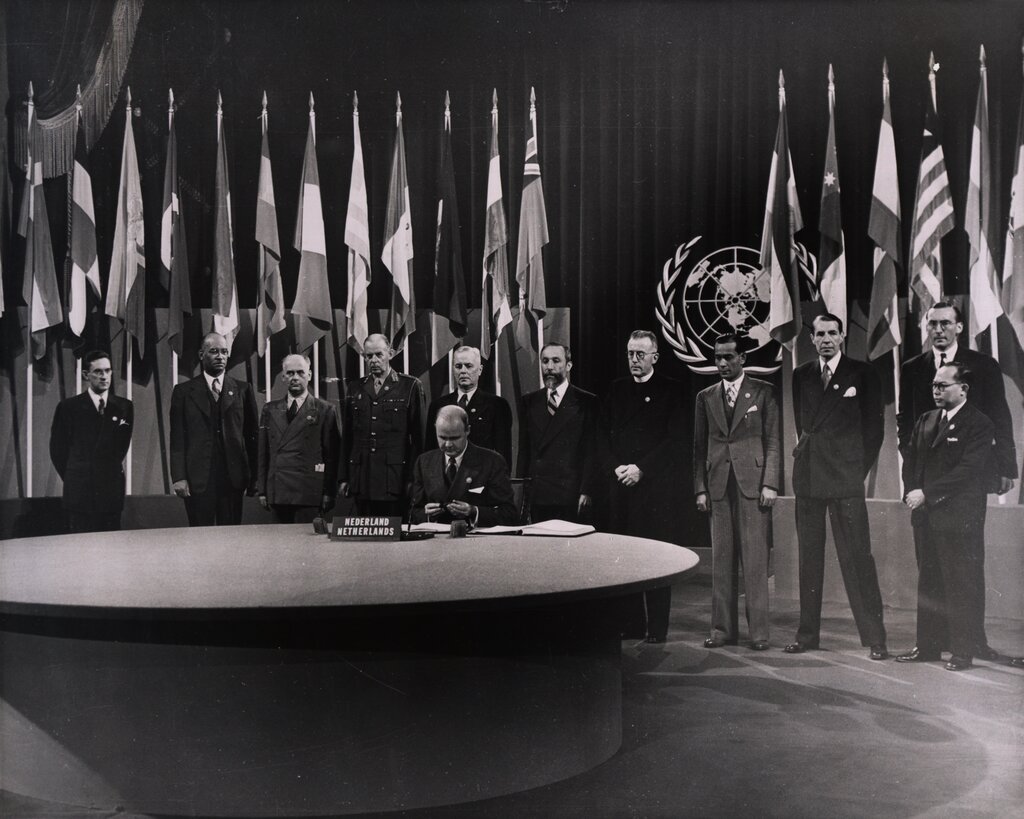
But the UN's mission extends beyond just preventing war. Its core purposes are to maintain international peace and security, protect human rights, deliver humanitarian aid, promote sustainable development, and uphold international law. Think of it as a global forum where nations can come together to discuss common problems and find shared solutions that no single country could achieve alone.
The Six Main Organs
To accomplish its diverse missions, the UN is structured around six principal organs. Each has distinct responsibilities and powers, forming the core of the UN system.
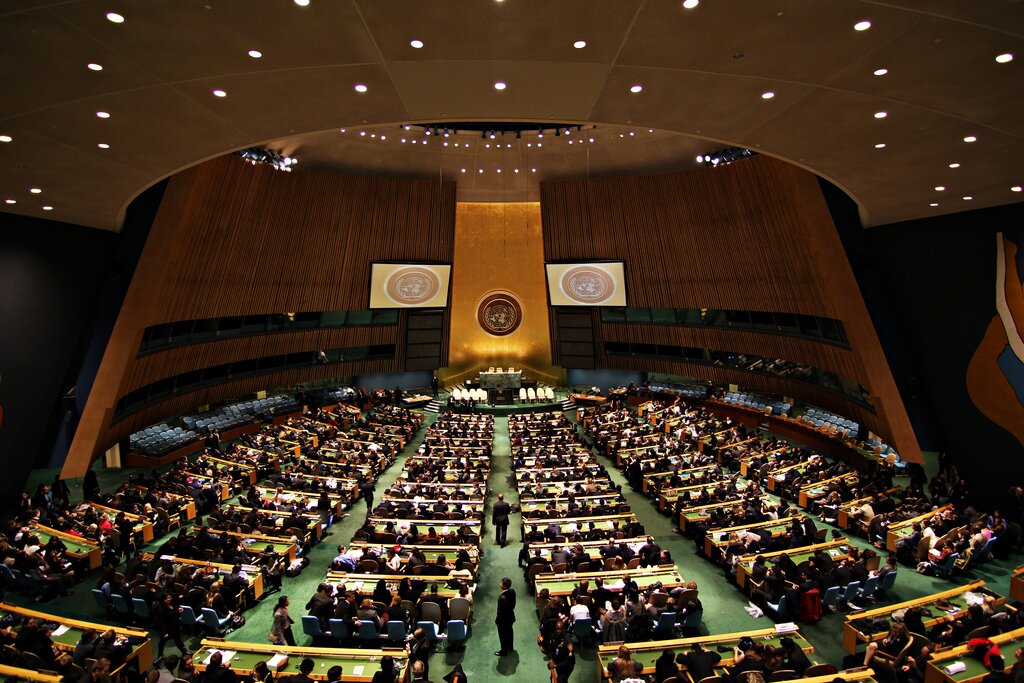
The General Assembly is the main deliberative body, like a global town hall where all 193 member states have an equal vote. The Security Council has primary responsibility for maintaining international peace and security. It has 15 members, five of which are permanent.
The Economic and Social Council (ECOSOC) coordinates the economic and social work of the UN. The Trusteeship Council was established to supervise the administration of territories that were not yet self-governing, but its work is largely complete. The International Court of Justice is the principal judicial organ, settling legal disputes between states. Finally, the Secretariat, led by the Secretary-General, carries out the day-to-day work of the organization.
A Global Mandate
While peacekeeping missions often grab headlines, they are only one part of the UN's work. The organization and its vast network of specialized agencies, funds, and programs are involved in nearly every aspect of human life.
Agencies like the World Health Organization (WHO) combat diseases, the World Food Programme (WFP) fights hunger, and UNICEF works to protect the rights of children. The UN Development Programme (UNDP) focuses on eradicating poverty and reducing inequality. These bodies work on the ground across the globe, providing critical assistance and fostering long-term development.
Together, these organs and agencies form a complex system designed to facilitate international cooperation and address the world's most pressing challenges.
Understanding this basic structure is the first step. The real complexity, however, lies in how these organs function and how power is distributed and wielded within them. That's where the politics of global governance truly come to life.
What was the primary motivation for the creation of the United Nations following World War II?
Which UN organ functions as the main deliberative body where all 193 member states have an equal vote?
This foundational knowledge of the UN's history, goals, and structure will help us examine its political dynamics more closely in the topics to come.