Power and Paradox in the French Revolution
Ancien Régime Fractures
The Crown's Empty Coffers
By the late 1780s, the French monarchy was teetering on the edge of bankruptcy. The primary culprit was not the queen's lavish spending, as popular pamphlets claimed, but the colossal debt from financing the American Revolution. Supporting the American colonists against Great Britain was a strategic victory but a fiscal catastrophe for France.
King Louis XVI’s finance minister, Jacques Necker, tried to manage the crisis with a bit of public relations magic. In 1781, he published the Compte rendu au roi (Report to the King), France’s first-ever public accounting of royal finances. The problem? It was a carefully crafted lie. Necker omitted the massive war debts and instead presented a rosy picture of a budget surplus. The public loved him for it, but it made the real crisis harder to solve later. When the truth inevitably surfaced, public trust in the monarchy shattered.
Necker’s report created a false sense of security while masking a debt bomb. When his successors tried to raise taxes, the public, remembering the supposed surplus, saw it as nothing but royal greed.
The Aristocratic Roadblock
The only way out of the debt crisis was to overhaul France's archaic tax system. For centuries, the nobility and clergy had been largely exempt from direct taxation, leaving the entire burden on the Third Estate—the commoners. Charles Alexandre de Calonne, Necker's successor, proposed a radical solution: a new land tax that would apply to all landowners, regardless of their social status.
Knowing the powerful regional courts, the parlements, would reject this, the king took an unusual step. In 1787, he convened an Assembly of Notables, a hand-picked council of elites from the first two estates. The crown hoped this body would endorse the reforms, giving them an air of legitimacy. The plan backfired spectacularly. The notables refused to approve new taxes, arguing that only a representative body like the Estates-General could authorize such a fundamental change. This was less a principled stand for representation and more a self-interested move to protect their privileges. This
aristocratic revolt paralyzed the monarchy, demonstrating that the king no longer had the absolute power to command his most privileged subjects.
The War of Words
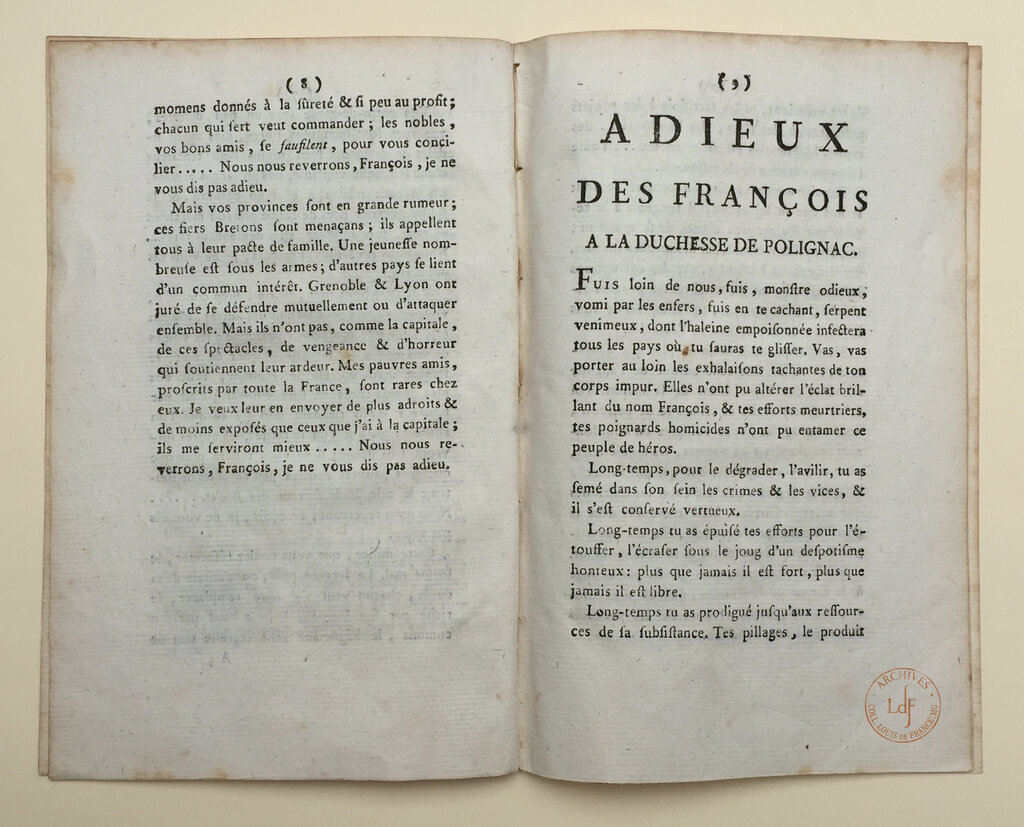
While the government was stuck, French society was buzzing with new ideas. The Enlightenment had created a vibrant "public sphere" where citizens discussed politics in cafés, salons, and through an explosion of print media. With the government's authority weakening, censorship eased, and Paris was flooded with thousands of political pamphlets.
These pamphlets, often written in fiery, accessible language, debated everything from the rights of man to the specifics of tax policy. They allowed radical ideas to circulate widely, shaping public opinion and creating a sense of shared grievance. For the first time, a national conversation was happening outside the control of the court at Versailles.
This intellectual ferment collided with deep-seated structural problems. France was still organized under the Seignurial system, a feudal framework where peasants owed lords a variety of dues, fees, and labor. While no longer true serfdom, these obligations felt increasingly unjust in an era where a capitalist mindset—focused on individual property and profit—was taking hold. The system was rigid, inefficient, and a constant source of rural resentment.
The Ancien Régime's inequalities, including privileges for the nobility and clergy, and heavy taxation on the Third Estate
The collision of old feudal obligations with new economic realities created an unsustainable tension. Peasants wanted to be masters of their own land and labor, but the aristocracy clung to their inherited rights, viewing them as essential to their status and wealth.
The Perfect Storm
The final ingredient was a natural disaster. The years 1788 and 1789 saw disastrously poor harvests, partly due to a severe drought followed by a brutal winter. The grain shortage caused the price of bread, the staple food for most French people, to skyrocket. By the spring of 1789, the average Parisian worker was spending up to 88% of their income just on bread.
This economic desperation poured fuel on the fire of political discontent. Hunger drove people into the streets. Riots erupted in cities across France as people looted bakeries and granaries. The abstract debates about rights and representation suddenly became a concrete struggle for survival.
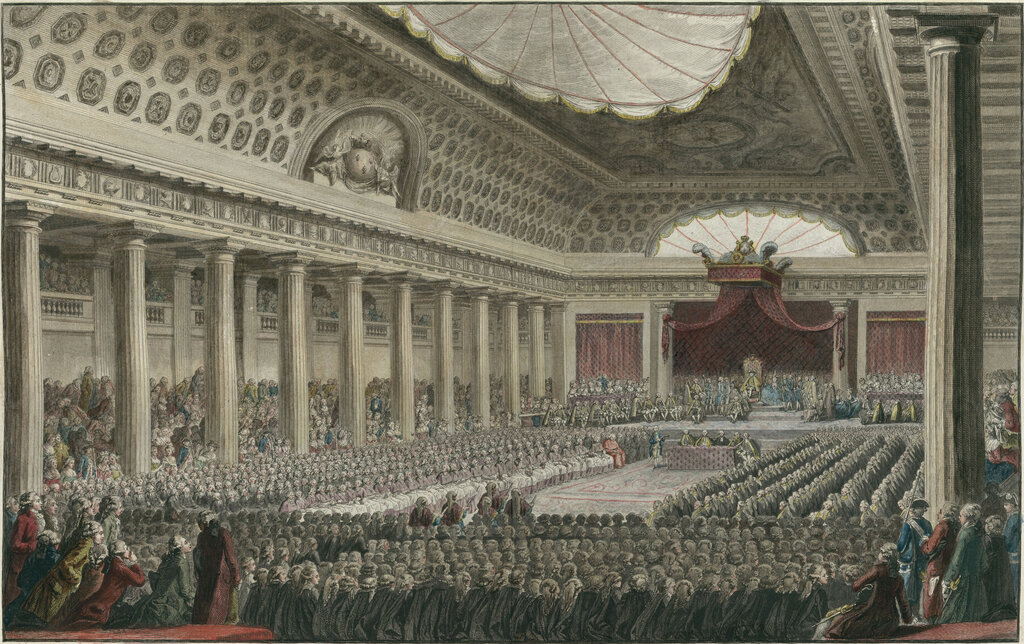
Faced with an empty treasury, an uncooperative aristocracy, and a starving, angry populace, Louis XVI was out of options. He agreed to convene the Estates-General in May 1789, an act that would unleash forces far beyond anyone's control.