Potty Training Essentials
Recognizing Readiness
Reading the Signs
When it comes to potty training, timing isn't about a specific age on the calendar. It's about your child's unique development. Pushing too early can lead to frustration for everyone. Instead, the best approach is to become a detective, looking for clues that your toddler is physically, developmentally, and emotionally ready to start.
Appropriate timing – look out for signs of readiness
Think of these signs not as a rigid checklist, but as a collection of clues. Most children will show several of these signs when they're ready. Let's break down what to look for.
Physical Readiness
First, let's talk about the body. A child needs to have a certain level of physical control and awareness before they can successfully use the toilet. This is something that can't be rushed; it's a natural part of their growth.
Here are the key physical milestones:
- Predictable Poops: Your child has bowel movements at roughly the same time each day. This predictability shows their digestive system is maturing, making it easier to anticipate when they might need to use the potty.
- Staying Dry: They can stay dry for at least two hours during the day or are consistently dry after naps. This indicates their bladder muscles are strong enough to hold urine.
- Coordination: They have the motor skills to walk to and sit on a toilet, and they can help pull their pants up and down. This physical independence is a crucial part of the process.
A dry diaper after a nap is a powerful clue. It means their body is starting to manage bladder control even while sleeping.
Developmental Readiness
Beyond physical skills, your child needs to be able to think and communicate in new ways. This developmental readiness is all about their ability to understand and participate in the process. They're not just a passive participant; they're an active learner.
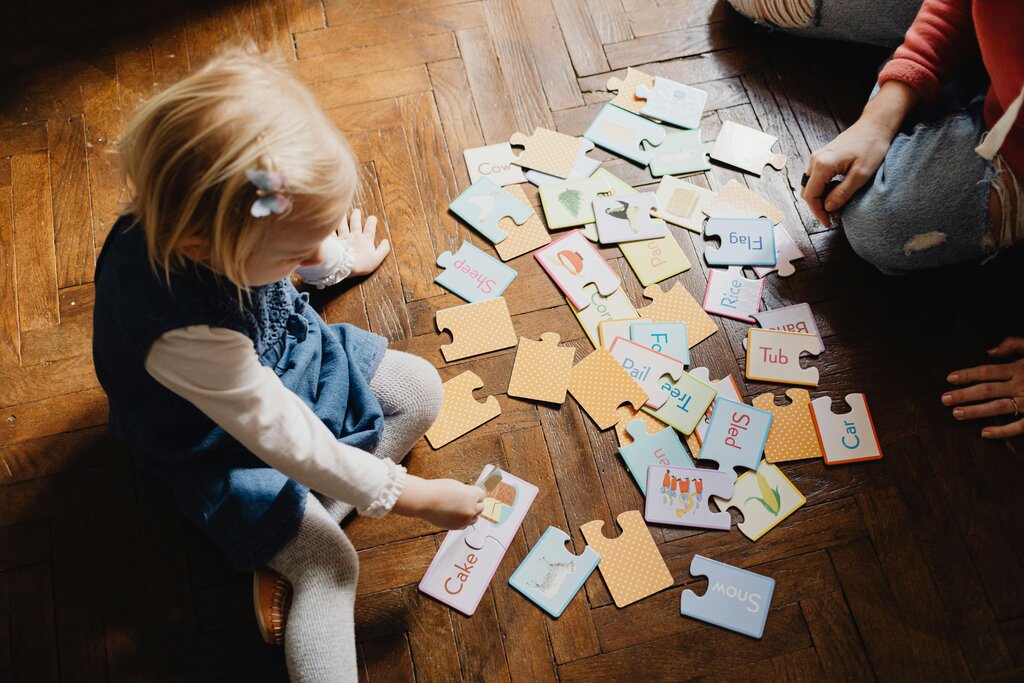
A key sign is their ability to follow simple, one- or two-step instructions, like "Please get your shoes" or "Pick up the toy and put it in the box." This shows they can understand and act on your guidance.
Communication is also vital. They might start using words to tell you they need to go, like "pee-pee" or "potty." They might also tell you after they've already gone in their diaper. While it seems backward, this is a huge step! It shows they are making the connection between the physical sensation and the result.
Behavioral Cues
This is where your child's personality and emotions come into play. A ready child is often a curious and motivated one. They start showing an interest in the toilet, perhaps following you into the bathroom and asking questions. They might want to flush the toilet just to see what happens.
Another big clue is a growing desire for independence. You might hear "I want to do it myself!" more often. This drive to be a "big kid" can be a powerful motivator for learning to use the potty. They might also show discomfort with a dirty diaper, pulling at it or telling you they want to be changed right away. This signals an awareness and a desire to be clean and dry.
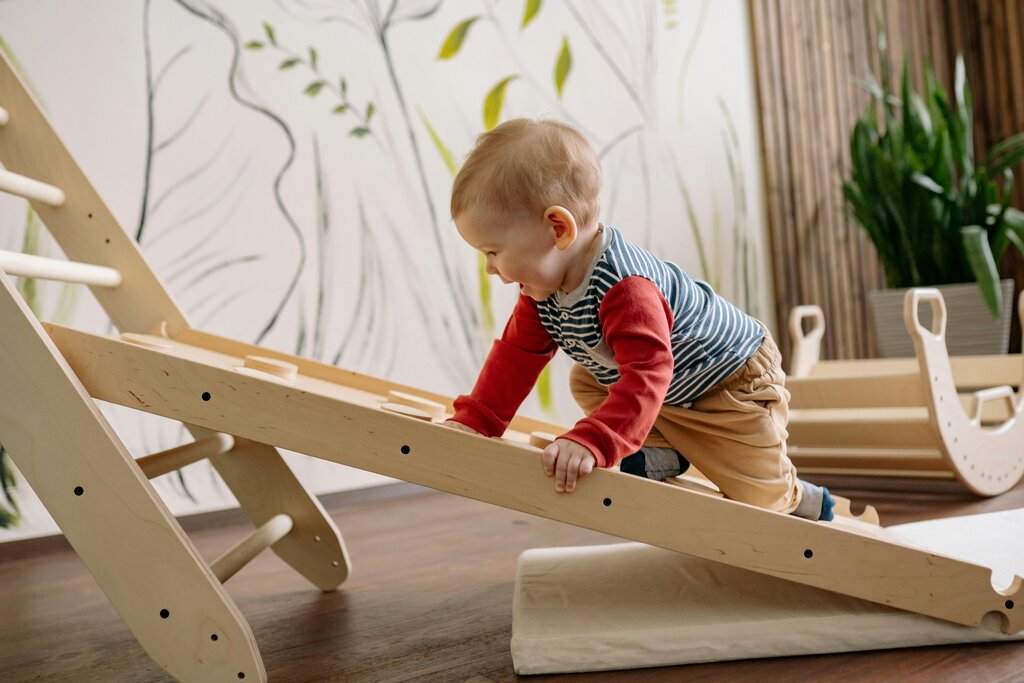
Finally, watch for imitation. Toddlers love to copy what their parents, caregivers, or older siblings do. If they see others using the toilet, they might express a desire to try it themselves. This mimicry is a natural and important part of learning.
Are You Ready?
It's not just about the child. The parent or caregiver's readiness is just as important. Potty training requires a significant amount of time, patience, and emotional energy. It’s best to start when you are prepared to handle accidents calmly and can dedicate consistent effort to the process.
Avoid starting during a time of major change or stress, like the arrival of a new sibling, a big move, or starting a new daycare. A calm, stable environment helps everyone feel more relaxed and positive about the experience.
Staying positive and relaxed during these times can significantly increase the chances of successful potty training.
When you and your child are both showing signs of readiness, you've found the sweet spot. This alignment sets the stage for a smoother, more successful potty training journey.
Time to see what you've learned. This quiz will test you on the different signs of potty training readiness.
According to the readiness approach, what is the most crucial factor in deciding when to start potty training?
Which of these is a key PHYSICAL sign of potty training readiness?
Recognizing these signs is the first and most important step. When you see them, you'll know it's time to begin the adventure.