Postpartum Glute and Leg Strengthening
Understanding Postpartum Anatomy
Your Post-Pregnancy Body
Giving birth is a monumental event, and your body goes through incredible changes to make it happen. It's not just about the baby bump; your entire musculoskeletal system adapts. Hormones like relaxin, which help loosen ligaments and joints for delivery, can linger in your system for months. This leaves your joints, especially in the pelvis and lower back, less stable than usual.
Think of it like a marathon. After crossing the finish line, you wouldn't expect to feel normal the next day. The postpartum period is your body's recovery phase. Understanding what’s changed is the first step toward rebuilding strength safely and effectively.
The Core and Pelvic Floor
When we talk about the “core,” it’s more than just the six-pack muscles. It’s a group of deep muscles that work together to stabilize your torso. This includes your diaphragm at the top, deep abdominal and back muscles around the middle, and the pelvic floor at the bottom. Together, they act like a supportive canister for your internal organs and spine.
This occurs when extra pressure is applied to your abdomen and pelvic muscles—something a growing baby is constantly doing inside of you.
As your baby grows, your abdominal muscles stretch significantly. This can sometimes lead to a separation of the outermost abdominal muscles, a common condition called diastasis recti. This stretching reduces their ability to provide tension and support for your back and pelvis.
At the base of this core canister is the pelvic floor. This is a group of muscles that stretches like a hammock from your pubic bone in the front to your tailbone in the back. These muscles are crucial for supporting your bladder, uterus, and bowels. They also play a key role in bladder and bowel control and pelvic stability.
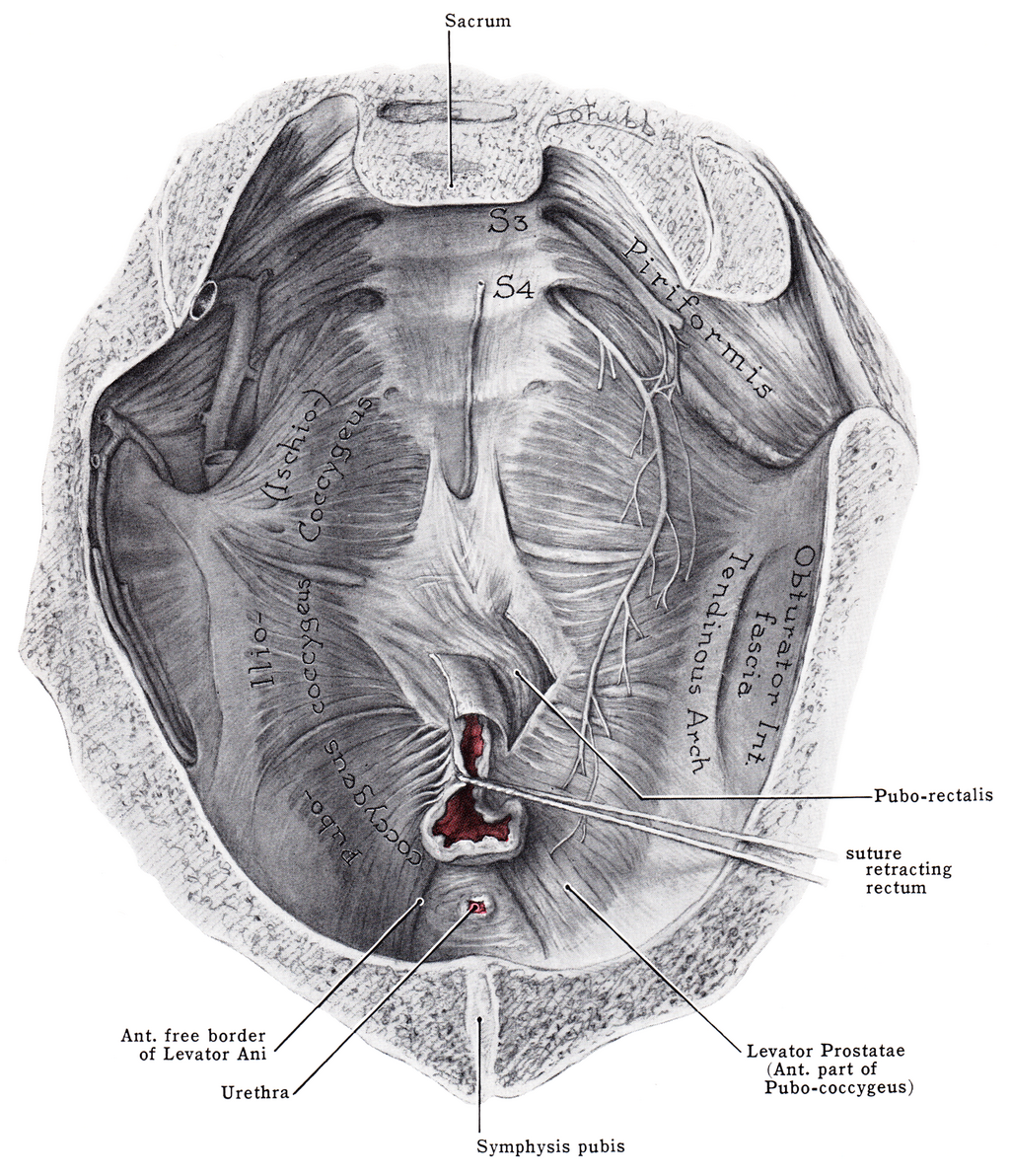
During pregnancy, these muscles support the increasing weight of your baby. During a vaginal birth, they stretch immensely to allow the baby to pass through. This process can leave the pelvic floor muscles weakened or overstretched, affecting their ability to do their job properly.
Posture, Pain, and Stability
All these changes have a direct impact on your posture and stability. During pregnancy, your center of gravity shifts forward. To compensate, many people develop an increased curve in their lower back, often called an anterior pelvic tilt. This posture often continues into the postpartum period.
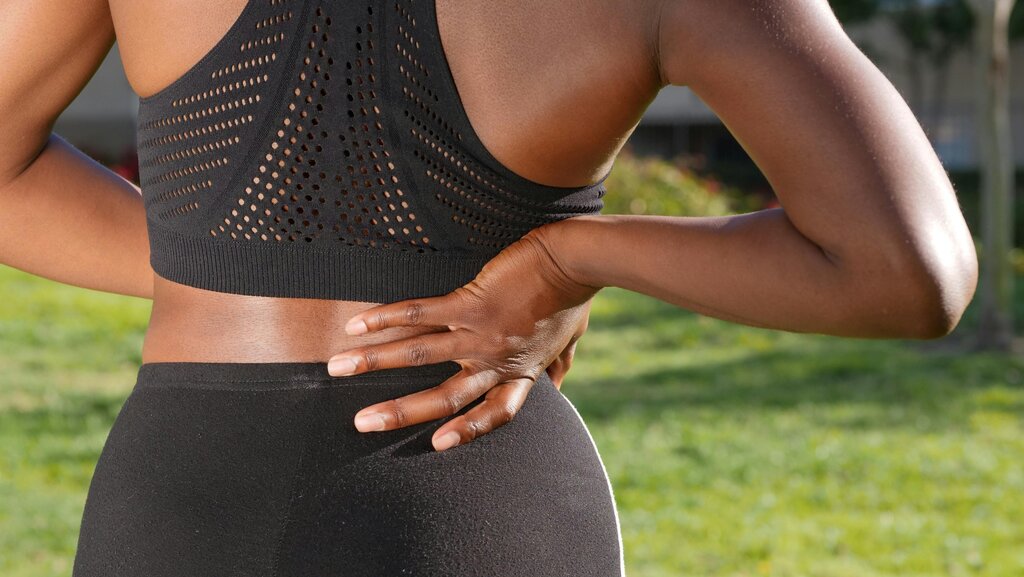
When your abdominal muscles are stretched and your pelvic floor is weakened, your body loses its central support system. Your lower back muscles and hip flexors often try to take over to stabilize your body, but they aren't designed for that job. This muscular imbalance can lead to tightness and the common lower back and pelvic pain many new mothers experience.
Restoring core stability isn't about getting a flat stomach; it's about rebuilding the deep muscular support for your spine and pelvis to move efficiently and without pain.
By understanding these anatomical shifts, you can appreciate why recovery takes time. Your body performed a miracle, and now it needs mindful attention to rebuild its foundation from the inside out.
What is the primary role of the hormone relaxin in the perinatal period?
The core is often described as a 'canister.' Which of the following forms the bottom of this canister?