Post-Purchase Home Planning
Site Assessment
Before You Build
You’ve found the perfect spot for your new home. Before you break ground, though, it’s vital to understand the land itself. Think of it like a detective story where the plot of land is your main character. A thorough site assessment reveals its history, its strengths, and its potential challenges. Getting to know your site is the first step in building a house that will stand strong for decades.
Reading the Land
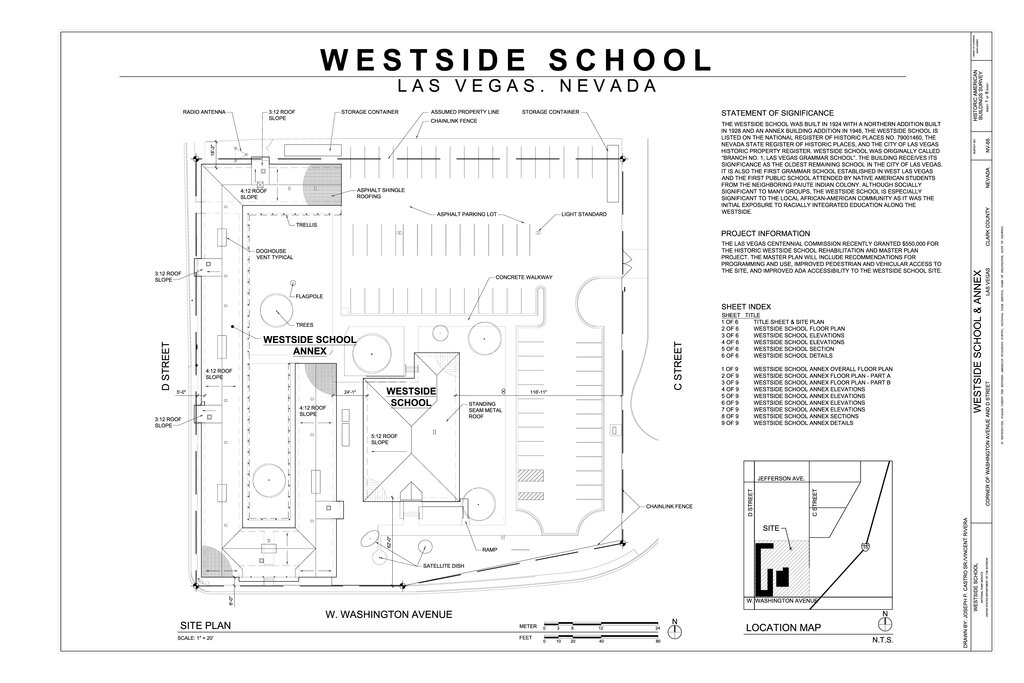
Every piece of land has its own unique shape and contours. A topographical survey is like creating a 3D map of your property. It charts the high points, low points, and slopes. This isn't just for looks; the topography dictates where water will flow, where your foundation will sit, and even where you can place your driveway.
A steep slope might offer a great view, but it could also pose challenges for construction and lead to erosion. A flat site might seem ideal, but without proper grading, it could turn into a pond after a heavy rain. The survey gives your builder the essential information needed to work with the land, not against it.
This leads directly to drainage. Understanding how water behaves on your property is critical. Poor drainage can lead to a flooded basement, a soggy yard, and even damage to your home’s foundation over time. The assessment looks for natural water paths, low-lying areas, and the type of soil, all of which affect how quickly water is absorbed or runs off.
Good site planning ensures rainwater is a resource, not a problem. It directs water away from your home's foundation and prevents pooling.
What Lies Beneath
Just as important as the surface is what’s underground. The soil on your property is the literal foundation of your home. A soil stability analysis determines what kind of soil you have—is it sandy, clay-heavy, or rocky? Each type has different properties.
Clay soil, for example, can expand when wet and shrink when dry, putting stress on a foundation. Sandy soil might drain well but may not be able to bear as much weight. Rocky ground is very stable but can be expensive to excavate. Knowing the soil composition allows engineers to design the right type of foundation to keep your home stable and secure.
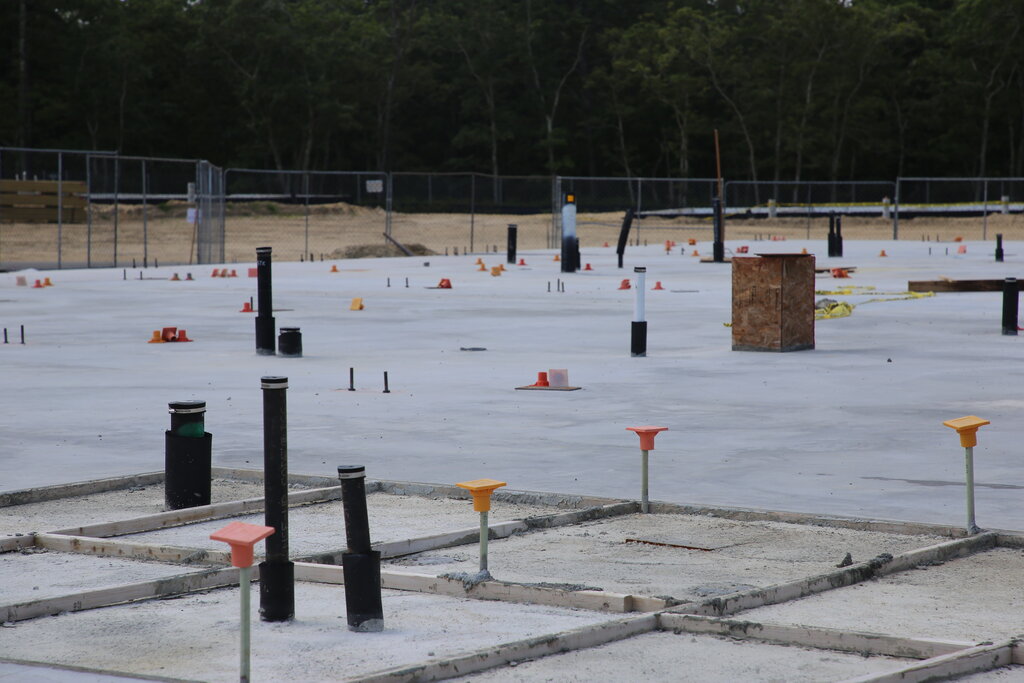
Conduct Detailed Site Assessments: Comprehensive site assessments are crucial for uncovering hidden issues that could lead to unexpected costs.
Getting Connected
A house isn't just a structure; it's a service hub. You'll need access to essential utilities like water, electricity, and a sewage system. A site assessment confirms whether these services are already available at your property line or if they need to be extended.
If your lot is in a developed neighborhood, connecting is usually straightforward. But for more rural or remote properties, the cost of running utility lines can be significant. For sewage, you might need to determine if the soil is suitable for a septic system. These factors can have a major impact on your overall construction budget and timeline.
Ready to test your knowledge? Let's see what you've learned about evaluating a building site.
What is the primary purpose of a topographical survey in a site assessment?
A flat building site is always ideal because it guarantees there will be no drainage issues.
By carefully assessing the topography, drainage, soil, and utilities, you lay the groundwork for a successful build and a home that is safe, durable, and comfortable.