Post-Operative Scoliosis Rehab Explained
Understanding Scoliosis
The Sideways Curve
When you look at a spine from the side, you'll see natural curves. But from the back, it should appear straight. Scoliosis is a condition where the spine has a sideways curve, often in an “S” or “C” shape. It’s more than just a simple bend; it also involves the vertebrae rotating or twisting.
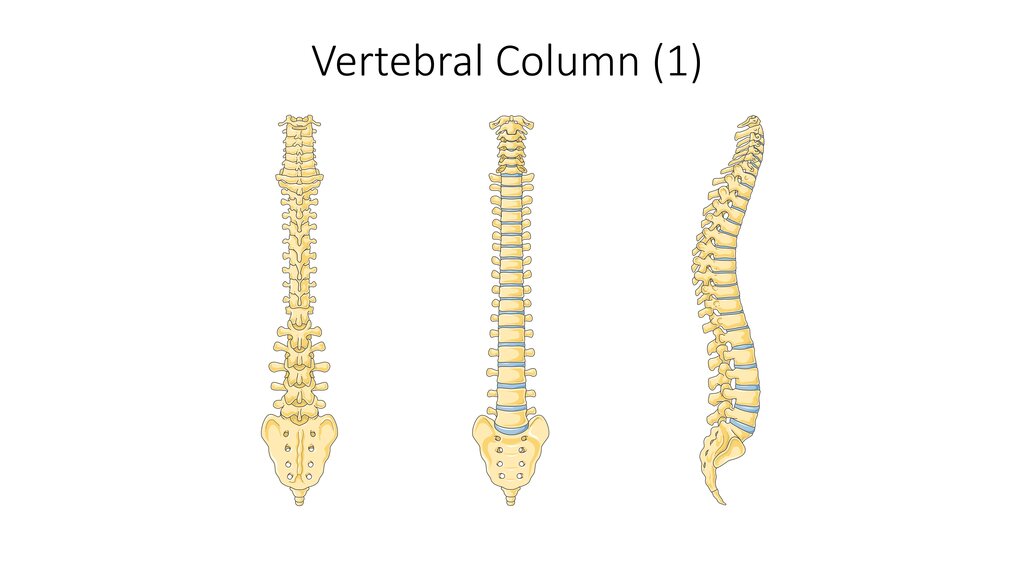
This twisting can cause the rib cage to shift, making the shoulders or waist appear uneven. While scoliosis can affect people of all ages, it most often begins during the growth spurt just before puberty.
Types and Causes
There are several types of scoliosis, categorized by their cause.
Idiopathic Scoliosis is the most common type, accounting for about 80% of cases. "Idiopathic" means the cause is unknown. It often runs in families, suggesting a genetic link, but the exact reason it develops is still a mystery.
Congenital Scoliosis is rare and occurs when the spine doesn't form correctly before birth. One or more vertebrae may be misshapen or fail to separate properly, leading to a curve as the child grows.
Neuromuscular Scoliosis develops as a result of another medical condition that affects nerves and muscles, such as cerebral palsy, muscular dystrophy, or a spinal cord injury. Weakened muscles can't support the spine properly, allowing it to curve.
While mild scoliosis is relatively common, affecting about 2-3% of the population, curves large enough to require treatment are much less frequent.
Diagnosis and Impact
Scoliosis is often first detected during a routine school screening or a check-up. A common screening method is the Adam's forward bend test. The person bends forward at the waist with their arms hanging down. From this angle, a doctor can see if one side of the back is higher than the other, which can indicate a spinal curve.
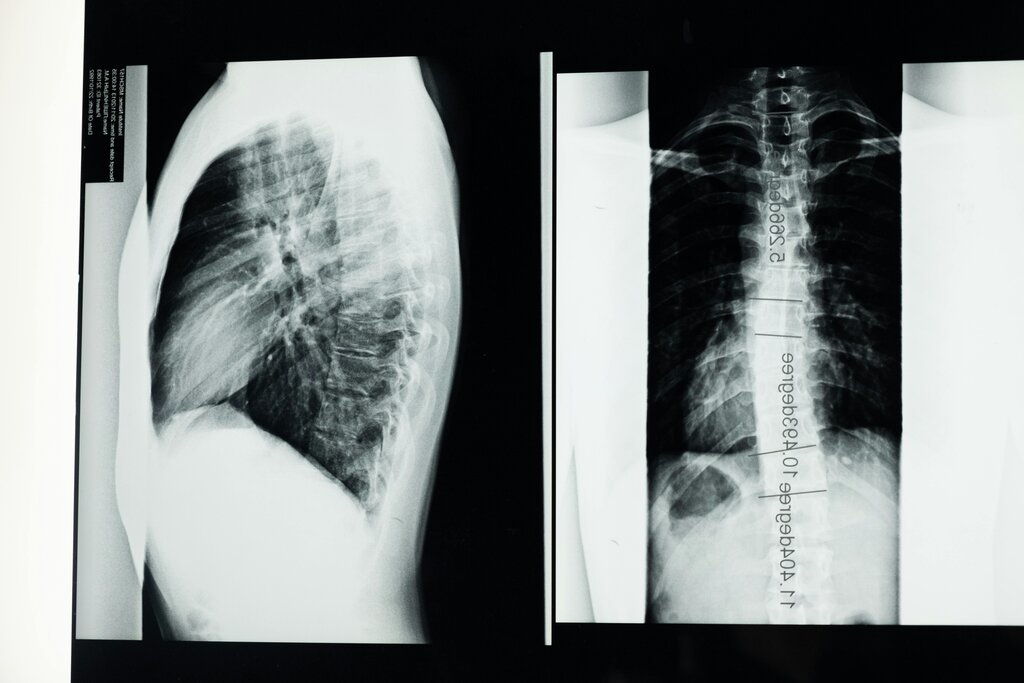
If scoliosis is suspected, imaging tests are used to confirm the diagnosis and measure the curve's severity. X-rays are the primary tool. The doctor will measure the angle of the curve on the X-ray, known as the Cobb angle. An MRI or CT scan may be ordered if there's a suspicion of an underlying issue like a spinal cord abnormality.
Most cases of scoliosis are mild and don't cause major problems. However, a severe curve can have a significant impact. It can affect posture, leading to uneven shoulders, hips, or a prominent shoulder blade. In very severe cases, the rib cage can press against the lungs and heart, making it difficult to breathe and reducing heart function.
When Is Surgery an Option?
The decision to treat scoliosis depends on several factors: the patient's age, the severity of the curve, and whether the curve is getting worse. Many people with mild curves only need regular check-ups to monitor for any changes.
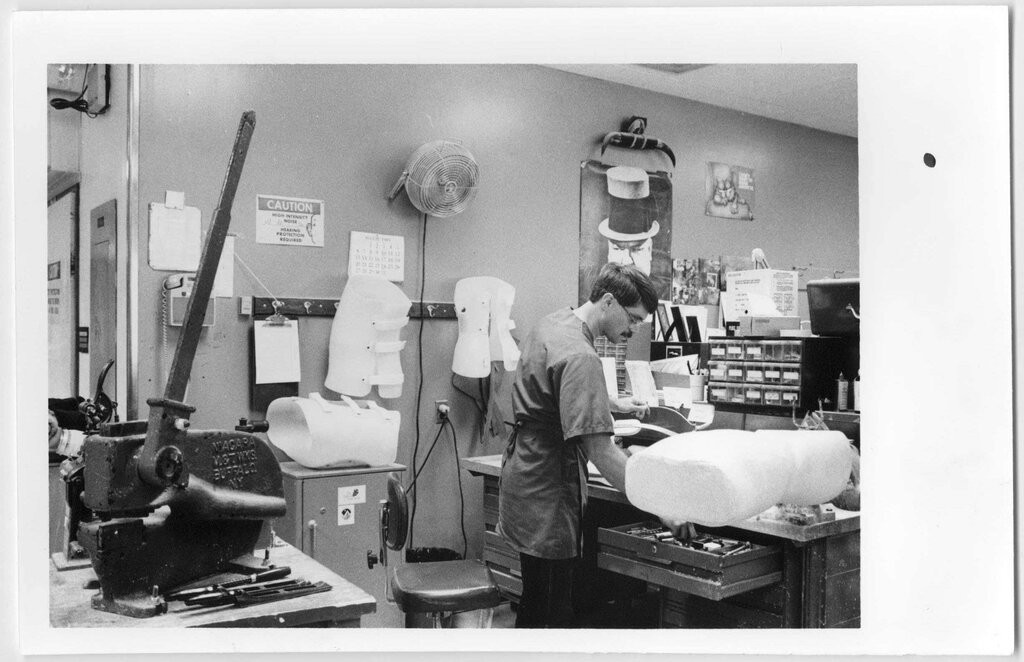
For children who are still growing and have a moderate curve (typically 25 to 40 degrees), a back brace might be recommended. The goal of bracing isn't to correct the curve but to prevent it from progressing.
Surgical intervention is usually reserved for severe or rapidly worsening curves. The main criteria for considering surgery include:
- Curve Severity: A curve greater than 40-50 degrees.
- Curve Progression: A curve that continues to worsen despite non-surgical treatment like bracing.
- Impact on Health: When the curve is causing significant pain, breathing problems, or interfering with heart function.
The most common surgery for scoliosis is spinal fusion. In this procedure, the surgeon straightens the curved portion of the spine with rods and screws, then uses bone grafts to fuse the vertebrae together into a single, solid bone. This permanently corrects the curve and prevents it from getting worse.
Ready to check your understanding?
What is the primary characteristic of scoliosis?
Which type of scoliosis accounts for approximately 80% of cases and has no known cause?
Early detection and monitoring are key to managing scoliosis effectively and preventing the health complications associated with severe curves.