Post-Operative Movement Rehabilitation
Tissue Healing Basics
Your Body's Repair Crew
When you get injured, your body doesn't just patch things up randomly. It follows a precise, four-stage process to heal damaged tissue. Think of it like a highly skilled construction crew that knows exactly how to clean a site, lay a new foundation, rebuild, and then refine the final structure. Let's walk through these stages: hemostasis, inflammation, proliferation, and remodeling.
Stage 1 Hemostasis
The first priority after an injury is to stop the bleeding. This stage, called hemostasis, begins within seconds. Damaged blood vessels constrict to reduce blood flow. Then, tiny cell fragments in your blood called platelets rush to the scene. They stick to the injured site and to each other, forming a temporary plug.
To make this plug stronger, a protein called fibrin arrives and creates a mesh-like structure, trapping more platelets and red blood cells. This forms a sturdy clot, which not only stops the bleeding but also provides a temporary scaffold for the new tissue that will be built later.
Timeline: Hemostasis happens almost immediately, within minutes of the injury.
Stage 2 Inflammation
Once the bleeding is controlled, the cleanup crew arrives. This is the inflammation stage, and it's essential for healing. Your immune system sends specialized white blood cells to the injury site. Their job is to fight off any invading bacteria and clear out dead cells and debris. This prepares the area for rebuilding.
In sites of localized tissue damage or infection, it is well known that the localized inflammatory response is characterized by 5 cardinal signs—heat, pain, redness, swelling, and loss of function—which are caused by local capillary dilation and an increase in permeability, and occur in order to protect the host and eliminate noxious agents and injured cells.
The familiar signs of inflammation—swelling, redness, heat, and pain—are simply side effects of this crucial process. Blood vessels expand to bring more healing cells to the area, causing redness and warmth. Fluid carrying these cells leaks into the surrounding tissue, causing swelling, which can put pressure on nerves and cause pain.
While inflammation is necessary, too much of it can be a problem. Excessive or prolonged inflammation can damage healthy tissue, slow down the repair process, and lead to more significant scarring. Managing this stage is a delicate balance.
Timeline: The inflammation stage typically peaks within the first 24-72 hours and gradually subsides.
Stage 3 Proliferation
With the site cleaned and prepped, the rebuilding begins. This is the proliferation phase, which can last for several weeks. The body focuses on filling the wound and covering it.
Three key things happen here:
- Granulation: A special type of tissue, called granulation tissue, forms at the base of the wound. It's a fragile, pinkish mix of new blood vessels, collagen, and cells called fibroblasts.
- Angiogenesis: The body grows new blood vessels to supply the new tissue with the oxygen and nutrients it needs to thrive.
- Collagen Deposition: Fibroblasts get to work producing collagen, a strong protein that acts like scaffolding, giving the new tissue strength and structure.
fibroblast
noun
A type of cell that synthesizes the extracellular matrix and collagen, the structural framework for animal tissues, and plays a critical role in wound healing.
As this new tissue fills the wound, skin cells multiply and move across the surface to close it off. This is why you see a new, pink layer of skin form over a healing cut.
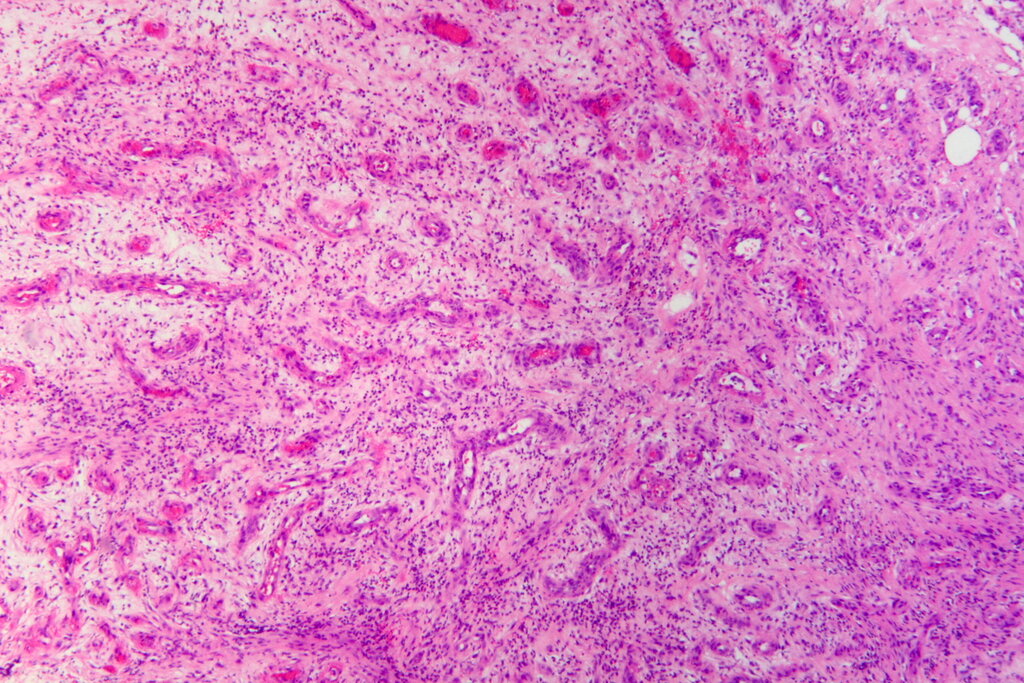
Timeline: The proliferation phase starts around day 3 and can last for about 3 weeks.
Stage 4 Remodeling
The final stage is remodeling, or maturation. The structure is built, but now it needs to be refined and strengthened. This phase can last for a year or even longer. During this time, the disorganized collagen that was quickly laid down during the proliferation phase is reorganized into a more aligned, stronger structure. Specialized cells break down old collagen and replace it with a more durable type.
This process increases the tensile strength of the new tissue, making it more resilient. The scar, which might have been thick and red initially, will gradually flatten, soften, and become lighter in color. While the repaired tissue will be strong, it typically only regains about 80% of the original tissue's strength.
Timeline: Remodeling begins around week 3 and can continue for a year or more, depending on the severity of the injury.
Understanding these four stages helps you appreciate the complex, coordinated effort your body undertakes to heal. Effective rehabilitation works by supporting this natural process, ensuring each stage proceeds smoothly to achieve the best possible recovery.