Post-Mortem Logistics Explained
Introduction to Funeral Service
A Timeless Practice
Since the dawn of humanity, people have developed rituals to honor their dead. These practices, while varying wildly across cultures and time, serve a fundamental purpose: to acknowledge a life that has ended, allow a community to grieve, and provide a sense of closure. Funerals are not just for the deceased; they are for the living.
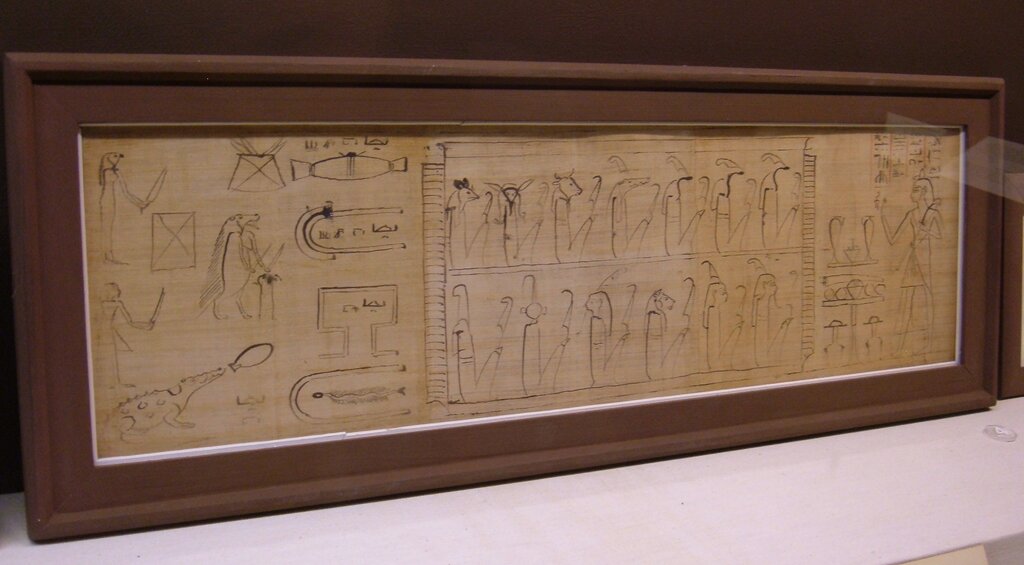
Ancient civilizations created elaborate ceremonies. The Egyptians, for example, developed complex mummification processes to preserve the body for the afterlife. The Romans held public processions and feasts to commemorate the lives of prominent citizens. These historical practices laid the groundwork for modern funeral services, establishing the idea that caring for the dead is a vital social responsibility.
For centuries, preparing the deceased was a family duty. It was an intimate act performed by loved ones in the home. However, as societies grew and urbanized, particularly during the 19th century, this began to change. The need for specialized knowledge in sanitation and preservation led to the rise of a new profession: the undertaker, now more commonly known as the funeral director.
The Modern Funeral Professional
Today, funeral service is a multifaceted profession that combines compassion with meticulous planning. The individuals who work in this field manage the practical, emotional, and logistical aspects of a person's final arrangements. Two key roles form the backbone of the modern funeral home.
Funeral Director
noun
A professional who helps plan and coordinate all aspects of a funeral, memorial service, and disposition of the deceased, while also providing support to the grieving family.
The funeral director is the primary point of contact for the bereaved family. Their responsibilities are vast. They handle the necessary paperwork, such as registering the death and securing permits. They coordinate with clergy, cemeteries, and crematories. They also help the family make decisions about the type of service, casket or urn selection, and obituary notices.
A funeral director is equal parts event planner, grief counselor, and administrative expert.
Working alongside the funeral director is the embalmer. This role is highly technical and requires specialized training and licensure.
Embalmer
noun
A licensed professional who disinfects, preserves, and restores the deceased to a more natural appearance, typically in preparation for a viewing.
Embalming is both a science and an art. The scientific aspect involves using chemical solutions to temporarily preserve the body, ensuring it is safe for viewing. The artistic component comes in when the embalmer uses restorative techniques to create a peaceful and natural appearance, which can be a great comfort to grieving families.
The Funeral Service Industry
The funeral service industry is composed of a mix of businesses, from small, family-owned funeral homes that have served a community for generations to larger, corporate-owned entities. Regardless of size, their fundamental mission is the same: to provide dignified care for the deceased and compassionate support for the living.
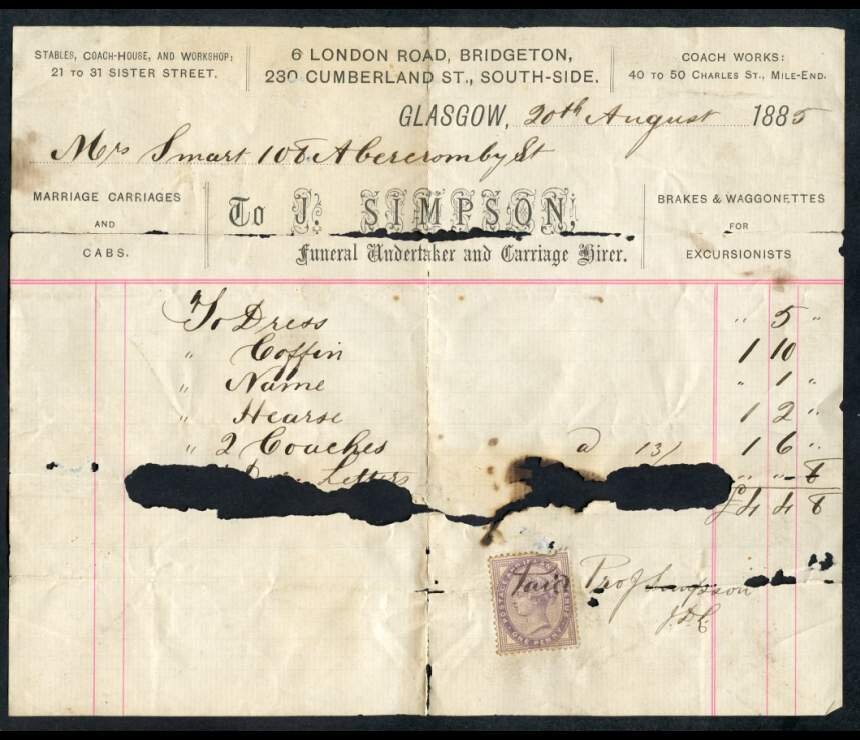
The industry is constantly evolving to meet the changing needs and preferences of society. While traditional burials are still common, cremation has become an increasingly popular choice. There is also a growing interest in personalized services that celebrate the unique life of the individual, as well as green burials that aim to minimize environmental impact.
Despite these changes, the core of the funeral service profession remains unchanged. It is a field dedicated to helping people navigate one of life's most difficult moments with dignity, respect, and care.
Let's review the key concepts from this introduction.
What major societal shift during the 19th century led to preparing the deceased transitioning from a family duty to a professional service?
The funeral director's responsibilities primarily involve coordinating logistics and communicating with the family, while the embalmer's role is focused on the technical and artistic preservation of the body.