Post-Emergency Secondary Searches Explained
Secondary Search Purpose
Beyond the Initial Rush
After the sirens fade and the immediate chaos of an emergency subsides, the work is far from over. This is where the secondary search begins. Unlike a primary search, which is a rapid, high-stakes sweep for viable victims, a secondary search is a slower, more methodical process. Think of it as the difference between sprinting through a building to pull people out and returning later with a fine-tooth comb to check every single corner.
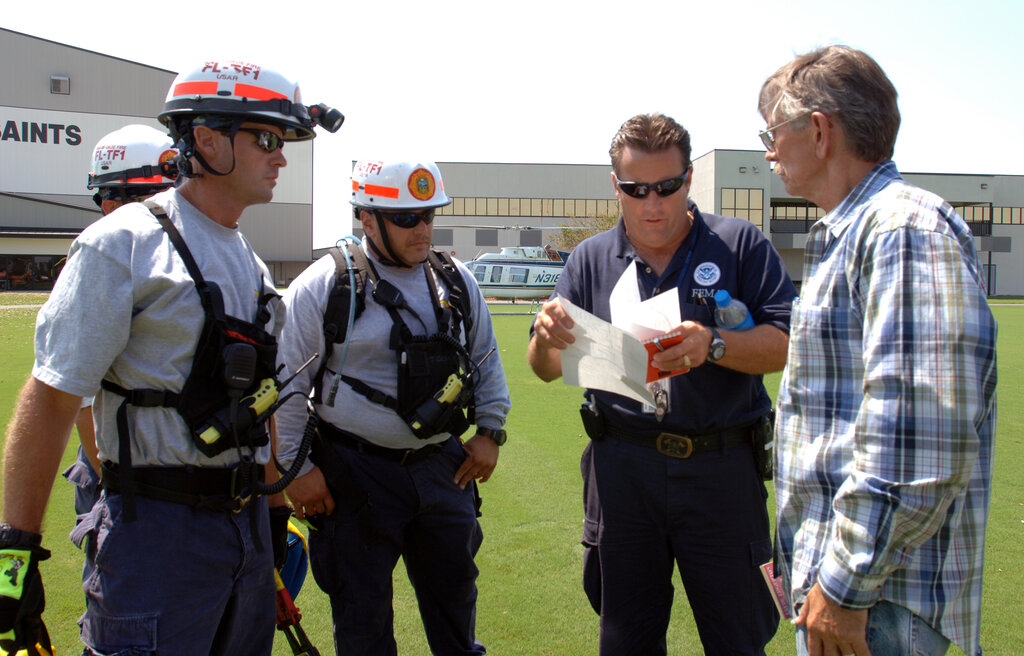
The timing is strategic. A secondary search only happens after the initial hazards are controlled. You can't conduct a detailed search if the structure is still on fire or unstable. Its purpose shifts from immediate life-saving to a of the scene. This deliberate change in pace and focus ensures that nothing, and no one, is overlooked.
Core Objectives
A secondary search has several key goals. The most obvious is to locate any victims who were missed during the primary search. In the haste and poor conditions of an initial response, it's possible for victims to be overlooked, especially in complex or collapsed structures.
The secondary search is performed by a different team than the primary search. This brings a fresh set of eyes to the scene, reducing the chance of confirmation bias.
Beyond that, the search aims to identify and mark any remaining hazards. This is crucial for the safety of recovery teams and investigators who will enter the area later. Finally, the secondary search provides critical information that feeds into the next phase of the operation, whether that's recovery, demolition, or a formal investigation. The findings help leadership within the make informed decisions about resources and next steps.
From Rescue to Recovery
Ultimately, the secondary search acts as a bridge. It marks the transition from the high-adrenalin rescue phase to the meticulous, detail-oriented recovery phase. It ensures that when the mission is declared complete, commanders can be certain that every effort was made to account for everyone and that the scene is as safe as possible for subsequent operations. It provides closure and a foundation for whatever comes next.
Now, let's check your understanding of these crucial concepts.
What is the primary difference between a primary search and a secondary search?
A secondary search can begin even if the main fire in a structure has not yet been fully controlled.
Understanding the distinct purpose and timing of a secondary search is key to effective post-emergency operations.