Positive Parenting for Three-Year-Olds
Understanding 3-Year-Old Development
The World of a Three-Year-Old
At age three, children are no longer toddlers but aren't quite big kids. This in-between year is packed with incredible growth. They are rapidly developing new skills, from thinking in more complex ways to navigating the tricky world of emotions and friendships. Understanding these milestones helps you appreciate the amazing changes happening inside that little person.
A Burst of Brainpower
A three-year-old's brain is buzzing with activity. You'll notice their thinking becoming more sophisticated. They start to understand the idea of "two." They might not be able to count much higher, but they can hold up two fingers when asked or grab two crackers. This is a big step up from just knowing "one" and "more."
They also grasp simple cause-and-effect relationships. They know that flipping a switch makes the light turn on, or that dropping a toy makes a loud noise. This newfound understanding fuels their curiosity, leading to a lot of "Why?" questions. It's not just to test your patience; it's how they build a mental map of how the world works.
Imagination takes center stage. A block is no longer just a block; it's a car, a phone, or a piece of cake. This pretend play is crucial for cognitive development. It's how they practice social roles, solve problems, and make sense of their experiences.
Three-year-olds can often follow two or three-step commands. Asking them to "pick up your bear and put it in the basket" is now a reasonable request.
Their memory is improving, too. They can recall parts of a story you read last night or talk about a trip to the park from last week. This is a sign that their brain is getting better at storing and retrieving information.
Big Feelings and New Friends
The emotional life of a three-year-old is a whirlwind. They experience a wide range of feelings, from intense joy to deep frustration, but they're still learning how to manage them. Tantrums are common because their emotions are bigger than their ability to express them with words.
At the same time, empathy starts to blossom. A three-year-old might show concern if they see a friend crying and even try to offer a hug or a favorite toy. They are beginning to understand that other people have feelings, just like they do.
Socially, they are moving from playing alongside other children (parallel play) to playing with them. They begin to take turns, share toys, and cooperate on a shared goal, like building a tower together. These early friendships are simple, but they are the foundation for more complex social relationships later on.
Language Explosion
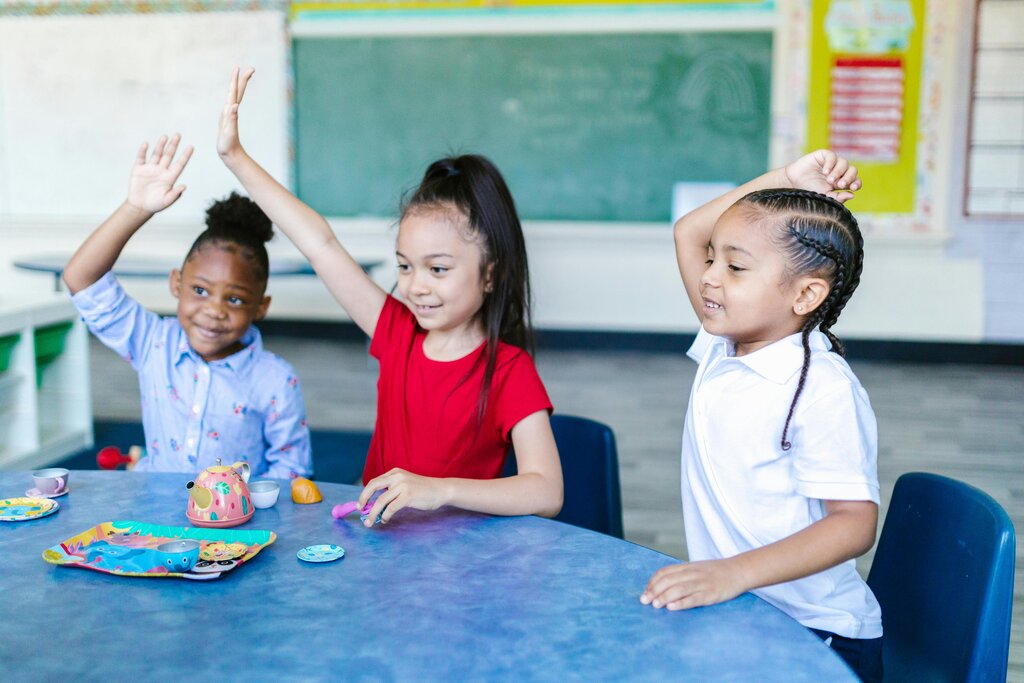
By age three, most children experience a language explosion. Their vocabulary can grow to several hundred words, and they start stringing them together into simple sentences of three to four words. Instead of just saying "juice," they can now say, "I want more juice."
They also begin to use pronouns like I, you, and we correctly. They can state their own name and age. You'll notice them talking to themselves, their toys, and anyone who will listen. This constant chatter is their way of practicing and mastering language.
Their understanding also skyrockets. They can answer simple questions and understand concepts like prepositions (in, on, under). You can have a real, back-and-forth conversation, even if the topic is a bit silly.
| Age | Vocabulary | Sentence Structure |
|---|---|---|
| 2 Years | Around 50-200 words | 2-word phrases ("more milk") |
| 3 Years | 300+ words | 3 to 4-word sentences ("I see a dog") |
| 4 Years | 1,500+ words | 5+ word sentences, tells stories |
Always in Motion
Three-year-olds seem to have endless energy, and for good reason. They are mastering fundamental gross motor skills. They can run more smoothly, jump with both feet, and even stand on one foot for a second or two. Many can now pedal a tricycle and navigate stairs with alternating feet, holding onto a railing for support.
Fine motor skills are also developing rapidly. They can build a tower of six or more blocks, indicating improved hand-eye coordination. They can turn the pages of a book one by one and are learning to hold a crayon or pencil with their fingers instead of their fist. These small movements are preparing them for future tasks like writing and buttoning a coat.
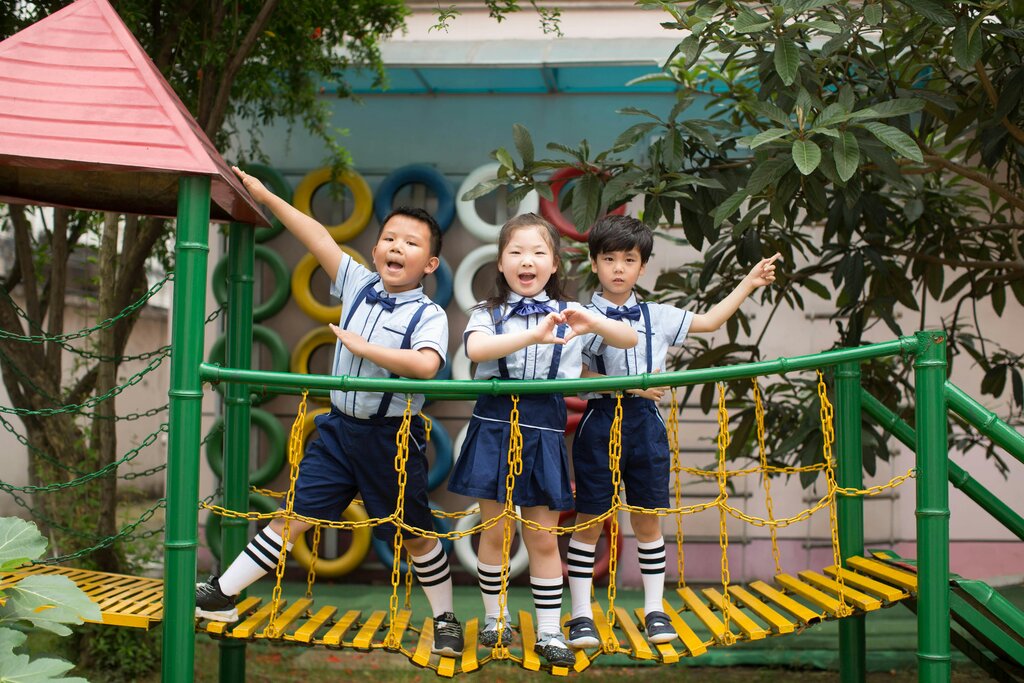
This year is a bridge between the total dependence of babyhood and the growing independence of childhood. Each new skill, whether it's building a taller tower or expressing a new feeling, is a major accomplishment.