Port Wine Essentials
Introduction to Port Wine
The Essence of Port
Port is a fortified wine, meaning a neutral grape spirit, similar to brandy, is added during its creation. This single step is what sets it apart. The addition of the spirit halts fermentation, the process where yeast converts sugar into alcohol. Because the fermentation is stopped early, much of the grapes' natural sweetness remains, resulting in a wine that is rich, sweet, and higher in alcohol than most table wines.
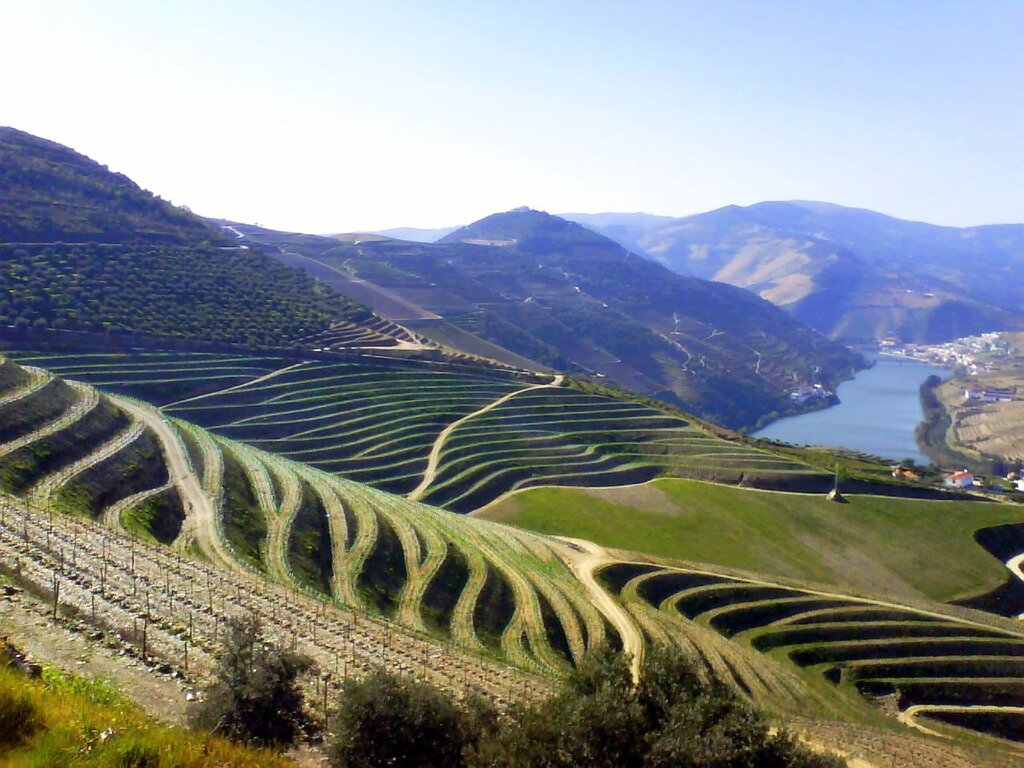
This unique style of wine comes exclusively from the Douro Valley in northern Portugal. This region's rugged, terraced hillsides and dramatic climate create the perfect conditions for the grapes that become Port. The wine is named after the coastal city of Porto, where it was traditionally aged and shipped to the rest of the world.
Key takeaway: Port is a sweet, fortified wine from Portugal's Douro Valley. Its high sugar and alcohol content come from adding a grape spirit to stop fermentation mid-process.
A Rich History
Port's history is deeply intertwined with trade and conflict. In the 17th and 18th centuries, when England was frequently at odds with France, English merchants sought an alternative to French wine. They found it in Portugal. To ensure the wine survived the long sea journey back to England without spoiling, shippers began adding a small amount of brandy to fortify it. This practice not only preserved the wine but also transformed its character, creating the rich, robust style we know today.
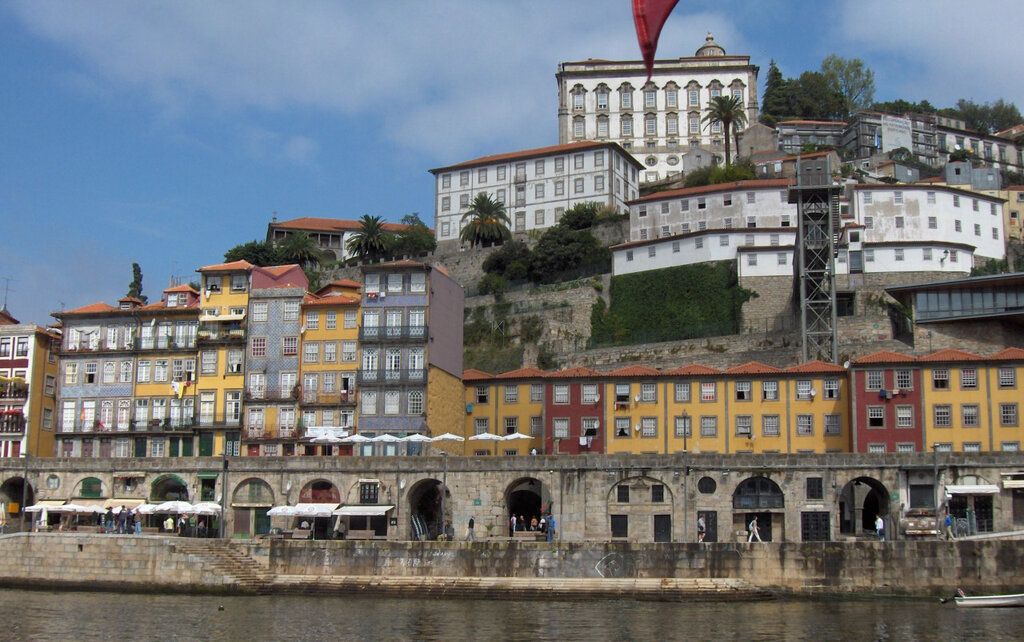
Over time, Port became a cornerstone of Portuguese culture and a celebrated beverage around the globe. It's a symbol of tradition and craftsmanship, often associated with celebrations and quiet moments of reflection.
An Introduction to the Styles
Port is not a single, uniform wine. It comes in several distinct styles, each with its own personality. While we'll explore these in greater detail later, it's helpful to know the main categories.
| Style | Key Characteristic |
|---|---|
| Ruby Port | Young, bright, and fruity, with a deep red color. |
| Tawny Port | Aged in wooden barrels, giving it nutty flavors and a golden-brown hue. |
| White Port | Made from white grapes, ranging from dry to sweet. |
| Vintage Port | The most prized style, made from the best grapes of a single exceptional year. |
Each style offers a different experience, reflecting variations in the aging process and the grapes used. Understanding these basic categories is the first step to navigating the fascinating world of Port.
What is the primary effect of adding a neutral grape spirit during the production of Port wine?
The fortification of wine with a spirit was originally developed by English merchants to make Portuguese wine taste sweeter.