Port Tampa Bay Operations
Vessel Traffic Coordination
Tampa's Watchful Eye
Tampa Bay is not an easy harbor to navigate. A narrow, 40-mile-long channel guides massive ships from the Gulf of Mexico to the port. To manage this complex waterway, the U.S. Coast Guard and the Port of Tampa Bay joined forces to create the Cooperative Vessel Traffic Service (CVTS). This isn't just a loose partnership; it's a fully integrated operation.
The heart of this operation is the Joint Vessel Traffic Operations Center (JVTOC). Staffed 24/7 by both Coast Guard personnel and Port Authority staff, the JVTOC acts as a single point of contact for maritime traffic. This unified team monitors every significant vessel movement in the bay and its approaches.
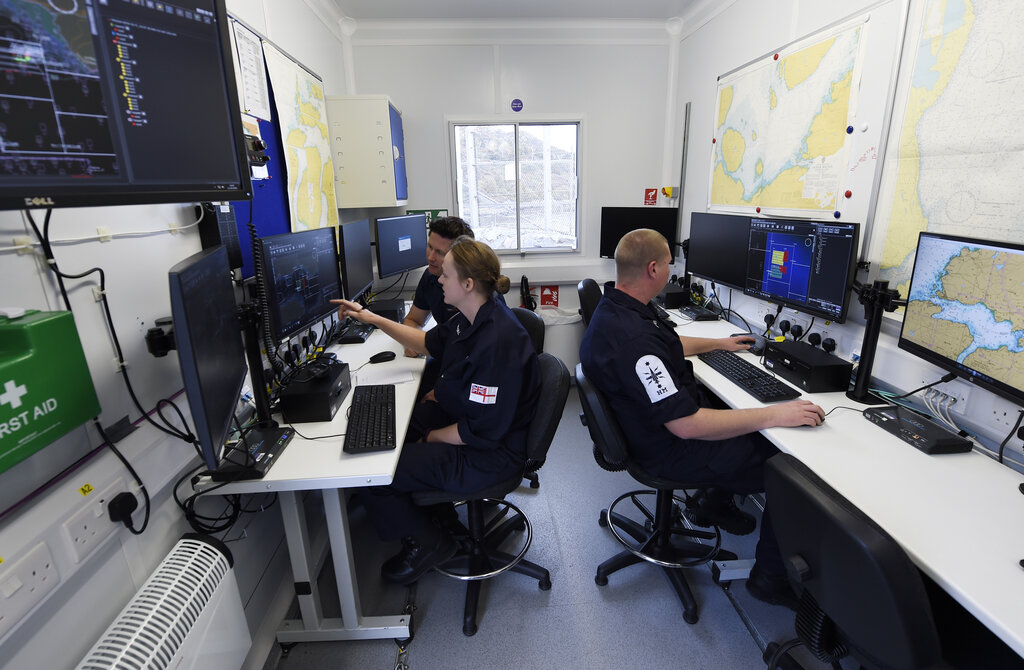
Operators at the JVTOC use a suite of technology to maintain situational awareness. Data from the Automatic Identification System (AIS), radar, and low-light Closed-Circuit Television (CCTV) cameras are fused together to create a complete picture of the waterway. This system allows them to see a vessel's position, speed, and course, even in darkness or bad weather. What was once a voluntary system is now a regulated service, mandated under federal law (), making participation mandatory for most commercial vessels.
Navigating the Channel
The primary job of the CVTS is to prevent accidents. In a channel as long and narrow as Tampa's, there is little room for error. One of the most critical safety metrics is the under-keel clearance, or UKC. This is the vertical distance between the bottom of the ship's hull and the seabed.
For deep-draft vessels in Tampa, the minimum required UKC is three feet. Any less, and the risk of grounding becomes too high.
Pilots and ship masters must constantly manage their vessel's draft in relation to the channel's known depth, which changes with the tide. A ship might have to wait for high tide to gain the necessary clearance for safe passage. The JVTOC uses this information to sequence traffic, preventing a deep-draft ship from getting stuck and blocking the entire channel.
| Channel | Primary Use | Who Listens |
|---|---|---|
| VHF Channel 12 | CVTS Operations | All vessels required to participate in the VTS. Used for reporting positions and receiving traffic information. |
| VHF Channel 16 | Distress & Hailing | All vessels. Strictly for emergencies and making initial contact before switching to another channel. |
Clear communication is essential. While VHF Channel 16 is the international channel for distress calls, routine communication with the JVTOC happens on VHF Channel 12. Vessels check in with "Tampa Traffic," report their position at specific points along the channel, and receive advisories about other vessels, weather, or hazards.
Special Attention Vessels
Not all ships are treated equally. The CVTS designates certain ships as 'Vessels of Concern' (VoC). These are typically ships carrying hazardous materials like petroleum or anhydrous ammonia, but can also include large passenger ships or vessels with known operational limitations. VoCs are subject to stricter reporting requirements and receive higher priority from the JVTOC.
The goal is to give these vessels a wide berth and ensure their transit is as safe as possible. For instance, the JVTOC might advise other ships to hold their position while a large LNG tanker navigates a tight turn. This proactive management is a core function of the service.
It's important to understand the division of responsibility. The CVTS provides information and advisories. They might say, "Advise you alter course to starboard to avoid the outbound tow." However, they do not give direct steering commands. That responsibility falls to the ship's master and the pilot. In Tampa, professional board incoming vessels to provide local expertise and handle the ship during its transit through the channel. The CVTS advises, but the pilot navigates and directs the vessel's crew.
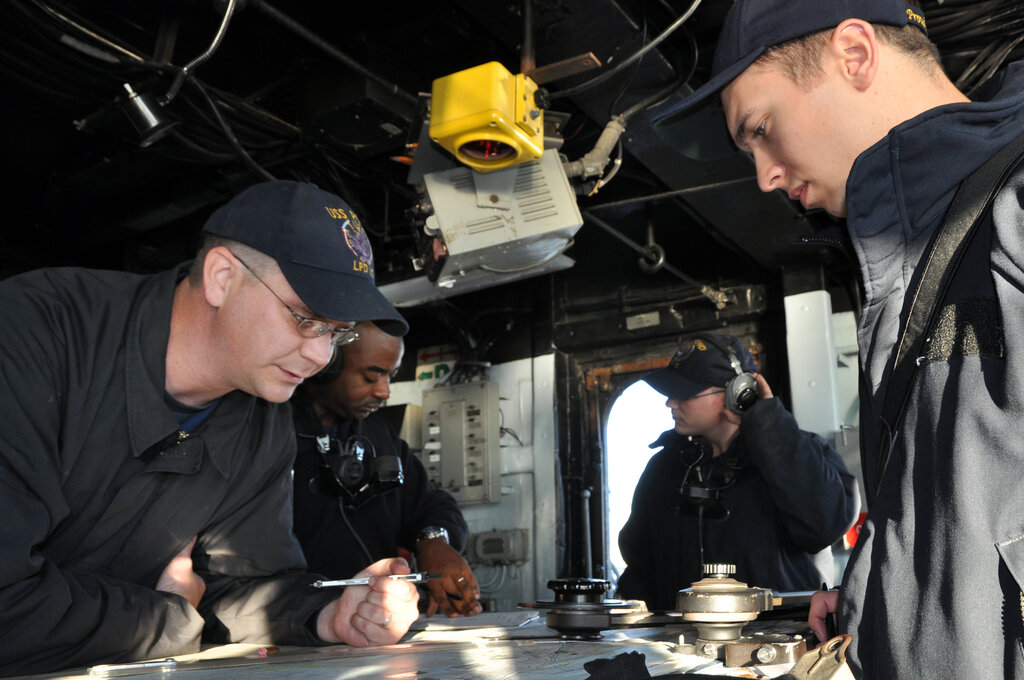
This partnership between the Coast Guard, the Port Authority, and the pilots creates a multilayered safety system. It ensures that the thousands of vessel movements that happen each year are handled with precision and care, protecting both the ships and the sensitive environment of Tampa Bay.
Now, let's test your understanding of how Tampa's vessel traffic is managed.
What is the primary purpose of the Cooperative Vessel Traffic Service (CVTS) in Tampa Bay?
A ship captain needs to make a routine report to "Tampa Traffic". Which VHF channel should they use?
This system of cooperative management is a model for how complex ports can maintain safety and efficiency, even as ships get larger and traffic gets busier.