Porsche 992.2 GT3 Oil Change Mastery
Understanding Engine Oil
The Lifeblood of Your Engine
Think of engine oil as the circulatory system for your car. It’s a hardworking fluid that performs several critical jobs to keep the hundreds of moving parts inside your engine from grinding themselves into a useless pile of metal. Without it, an engine would seize up in a matter of minutes.
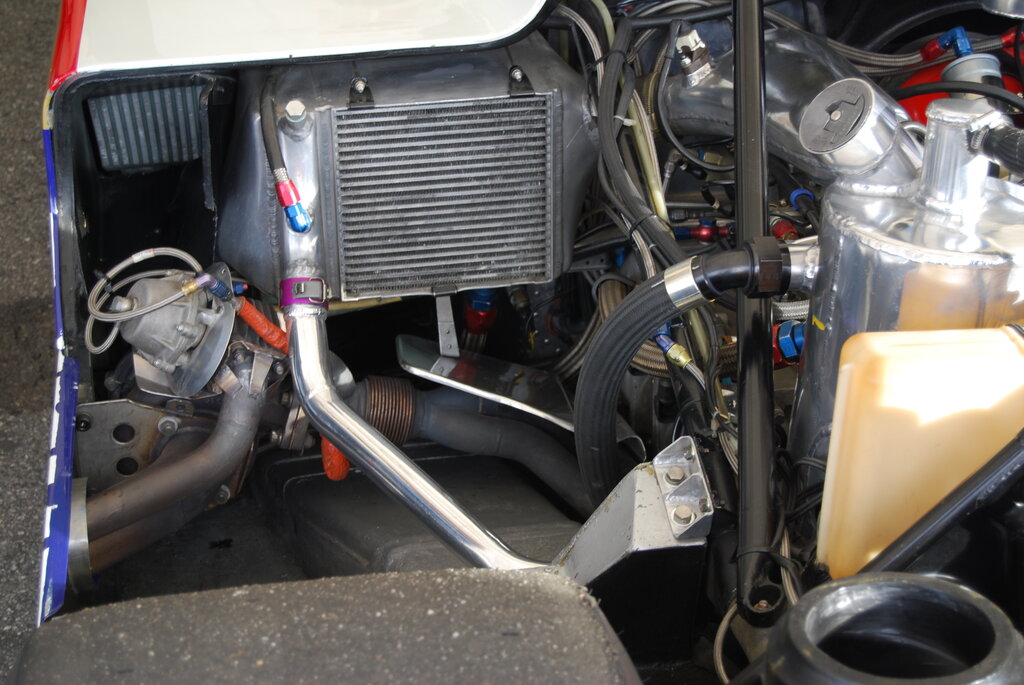
First and foremost, oil lubricates. It forms a thin, protective film between metal surfaces, like the pistons and cylinder walls, allowing them to glide past each other with minimal friction. Less friction means less wear and tear, and more power sent to the wheels.
Second, oil cools. While the radiator does the heavy lifting, oil plays a key supporting role by carrying heat away from the hottest parts of the engine, particularly the combustion chamber where temperatures can soar. It circulates through the engine, absorbs heat, and then cools down in the oil pan before starting its journey again.
Finally, oil cleans. As it circulates, it picks up tiny particles of metal, soot, and other gunk that are byproducts of combustion. These contaminants are then carried to the oil filter, which traps them, keeping the engine's internal pathways clean and clear.
Not All Oil Is Created Equal
Just like there are different types of fuel, there are different types of motor oil, each with its own properties. They generally fall into three categories.
Conventional Oil is the most basic type. It's refined directly from crude oil and is the most affordable option. It provides good, standard lubrication but breaks down faster under high heat and offers less performance in extreme temperatures.
Full Synthetic Oil is chemically engineered in a lab. Its molecules are much more uniform in size and shape, which allows it to provide superior protection, better performance in both hot and cold conditions, and a longer lifespan between changes. It costs more, but it’s the top choice for performance and protection.
Synthetic Blend Oil is a mix of conventional and synthetic oils. It offers better performance and protection than conventional oil but at a lower price point than full synthetic. It's a popular middle-ground option.
| Oil Type | Key Benefit | Best For |
|---|---|---|
| Conventional | Most affordable | Older, low-mileage engines |
| Synthetic Blend | Balanced performance & cost | Everyday driving, light trucks |
| Full Synthetic | Maximum protection & longevity | High-performance & new vehicles |
Decoding the Numbers
When you look at a bottle of oil, you'll see a code like 5W-30 or 0W-40. This is the oil's viscosity grade, and it's not as complicated as it looks. Viscosity is simply a measure of a fluid's resistance to flow. Think of honey (high viscosity) versus water (low viscosity).
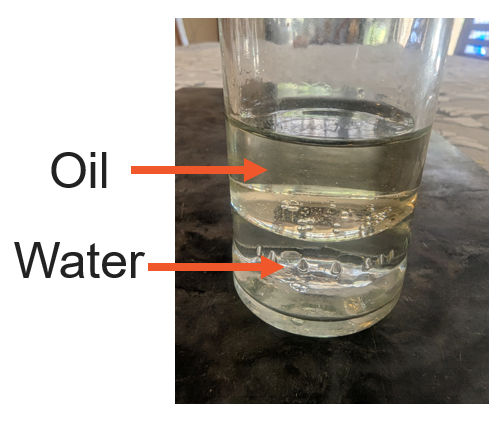
Modern engine oils are 'multi-grade,' meaning they have two viscosity ratings. Let's break down 5W-30:
The first number, 5W, tells you how the oil flows at cold temperatures. The 'W' stands for 'Winter.' A lower number means the oil is thinner and flows more easily when the engine is cold, which is crucial for protecting engine parts on startup.
The second number, 30, indicates the oil's viscosity when the engine is at its normal operating temperature. It needs to be thick enough to provide a strong protective film but not so thick that it robs the engine of power.
Oil for a Performance Machine
For a high-performance car like the Porsche 992.2 GT3, choosing the right oil is not just a suggestion, it's a requirement. These engines operate under extreme conditions: higher temperatures, higher pressures, and higher engine speeds. They demand a lubricant that can withstand this stress without breaking down.
This is where full synthetic oils shine. They are designed to maintain their viscosity and lubricating properties under intense heat and stress. Car manufacturers, especially for performance models, specify the exact type and viscosity of oil that must be used. For a car like the GT3, this will always be a high-quality, full synthetic oil with a specific viscosity grade recommended by Porsche engineers to ensure maximum performance and engine longevity.

Using the wrong oil, or even a lower-quality oil, can lead to increased wear, reduced performance, and potentially catastrophic engine damage. Always follow the manufacturer's recommendations found in your owner's manual. It's the simplest way to keep your engine running as it was designed to.
What are the three primary functions of engine oil?
In an oil viscosity grade like 5W-30, what does the 'W' stand for?
Regularly changing your oil with the correct type is one of the most important maintenance tasks you can perform for your vehicle.