Pop Culture's Impact on Work
Introduction to Cultural Artifacts
The Stories Objects Tell
Every object around you has a story. Your phone, the book on your nightstand, the poster on your wall—they aren't just things. They are cultural artifacts. A cultural artifact is anything created by humans that gives information about the culture of its creator and users.
This includes the obvious candidates you'd find in a museum: pottery, tools, traditional clothing, and art. These items give us a direct window into the daily lives, technologies, and beliefs of people from the past.

But the definition is much broader. Cultural artifacts also include modern media. Movies, TV shows, songs, and books are powerful artifacts of our time. They are packed with the ideas, values, conflicts, and aspirations of the society that creates and consumes them.
Mirrors and Molders
Cultural artifacts play a fascinating dual role in society. They act as both mirrors and molders.
First, they are mirrors. An artifact reflects the reality of the culture it comes from. A popular TV show about a family, for instance, might reflect common household dynamics, communication styles, and challenges of its time. It shows us who we are.
Second, they are molders. Artifacts don't just reflect culture; they also shape it. That same TV show can influence how viewers think about family life, setting new expectations or normalizing certain behaviors. A film that portrays a specific career, like a detective or a doctor, can shape public perception of that job. It can influence what we believe to be true about that profession, for better or worse.
Artifacts are not just passive reflections of our world; they actively participate in creating it.
Think about how workplaces are shown in movies. An intense, high-stakes Wall Street film might mold our view of finance as a ruthless, fast-paced world. A sitcom set in a quirky office can frame workplaces as sources of friendship and humor. These portrayals become part of our collective understanding, influencing career aspirations and expectations about work life.
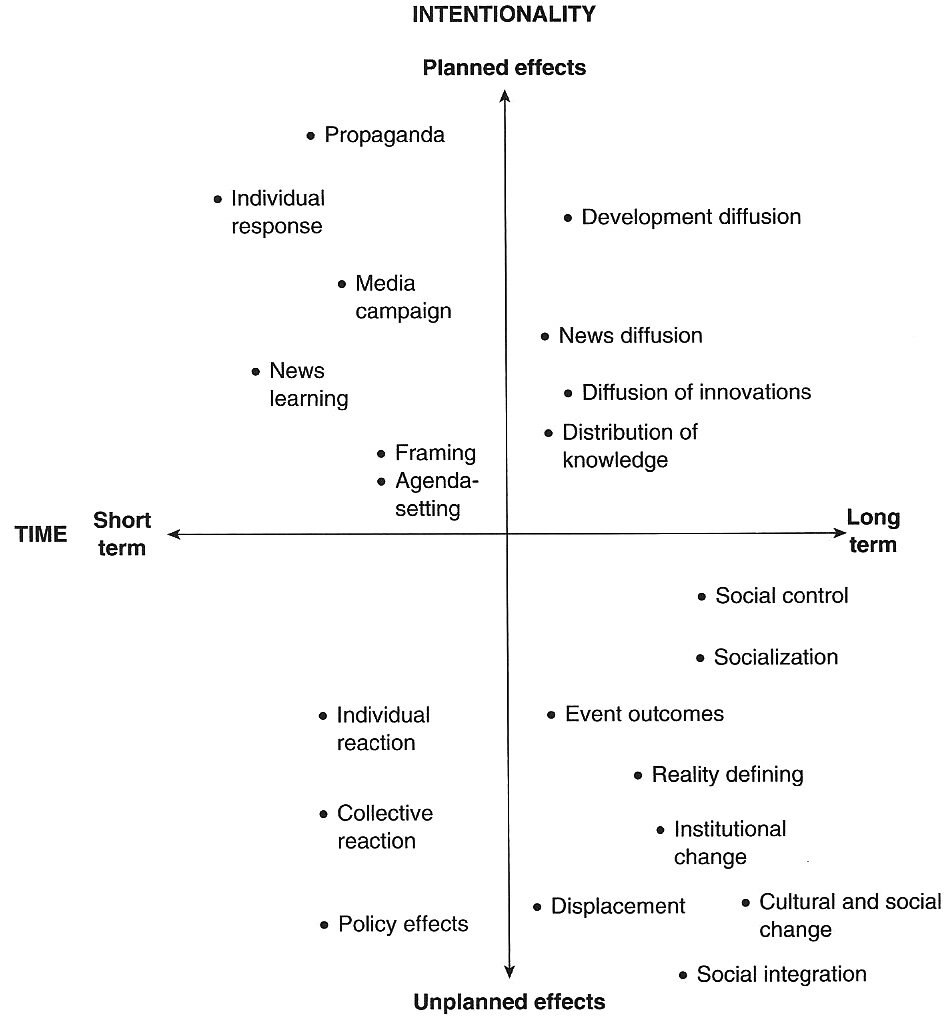
By learning to see these objects and media as cultural artifacts, we can start to understand the invisible forces that shape our beliefs and societal norms.
Let's test your understanding of these core ideas.
Which of the following best defines a 'cultural artifact'?
A popular sitcom about a group of friends living in New York City reflects common social dynamics and humor of its time. This is an example of a cultural artifact acting as a...
Recognizing the artifacts around us is the first step to becoming a more critical interpreter of our own culture.