Pooley's Time Prices Explained
Introduction to Economic Education Tools
Making Sense of Money
How do you teach a child the value of a dollar, or the meaning of a price tag? This question isn't new. For centuries, parents and educators have looked for ways to make abstract economic ideas concrete for young minds. The goal has always been to connect the numbers on a price tag to the real world of work, time, and resources.
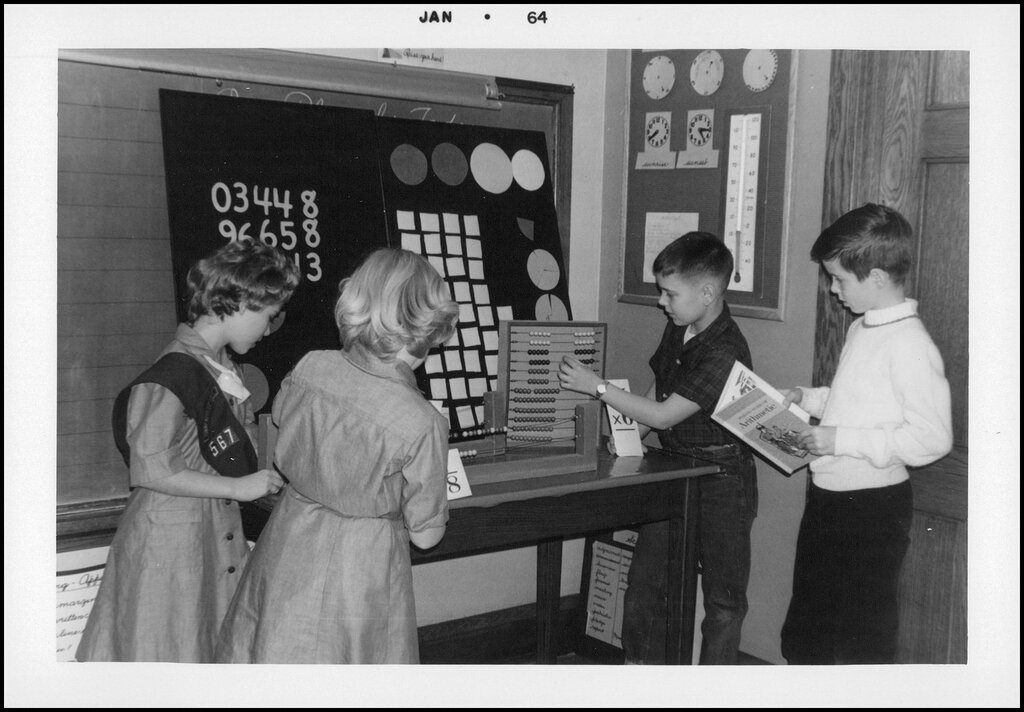
Early methods often relied on simple, hands-on tools. The abacus, for example, wasn't just for adding and subtracting. It was a physical way to represent quantities, helping children visualize the numbers involved in a transaction. By moving beads, a child could literally feel the process of giving and receiving value.
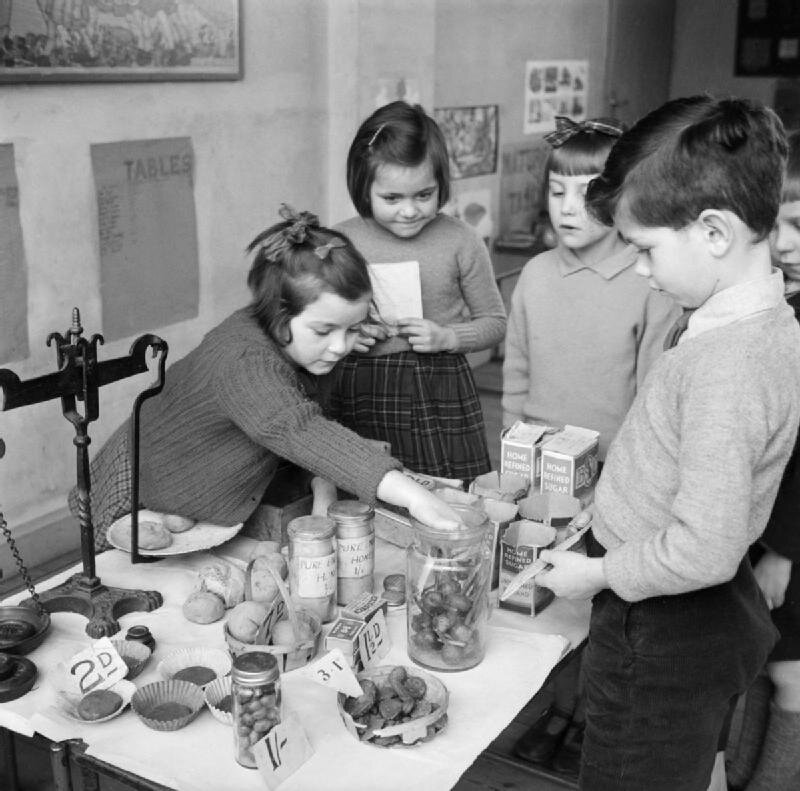
Another popular method was creating simulated environments. Classrooms were turned into small markets or grocery stores where children could "buy" and "sell" goods using play money. This approach taught basic arithmetic, but more importantly, it introduced concepts like budgeting, making choices with limited resources, and the roles of buyer and seller. These activities transformed economic lessons from a lecture into a game.
From Dollars to Hours
As educational theories evolved, so did the tools. Some educators wanted to go deeper than just simulating transactions. They wanted to teach the underlying source of value. One fascinating example of this is a system called 'Pooley's Time Prices,' developed in the 19th century.
The core idea was to measure the cost of an item not in currency, but in the amount of labor time it took to produce it.
Instead of saying a loaf of bread costs 25 cents, the system would say it costs 30 minutes of labor. This approach aimed to give children a direct, intuitive understanding of what they were consuming. A toy wasn't just a toy; it represented hours of someone's work. This reframing helped children grasp the concepts of production and opportunity cost. Spending an allowance on candy meant spending the time someone worked to earn that money.
| Item | Price in Currency | Price in Time |
|---|---|---|
| Loaf of Bread | $0.10 | 15 minutes |
| Pair of Socks | $0.25 | 40 minutes |
| Wooden Toy | $0.60 | 1.5 hours |
| School Book | $1.00 | 2.5 hours |
Systems like Pooley's Time Prices highlight a consistent theme in historical economic education: making the invisible visible. Whether through an abacus, a mock storefront, or a table of labor costs, the objective was always to connect abstract financial concepts to the tangible realities of time, effort, and resources.