Pool Table Bumper Replacement
Assessing Bumper Condition
How to Check Your Bumpers
The rubber bumpers, or cushions, along the rails of a pool table are critical for a good game. When they're in good shape, they provide a consistent and predictable rebound. But over time, the rubber can degrade, leading to dead spots and unpredictable bounces that can ruin a shot. Before you think about replacing them, you need to assess their current condition. Two simple tests can tell you everything you need to know.
The Hand Test
First, use your hands to check the firmness of the cushions. Press your thumb firmly into the bumper at various points along each rail. You're looking for a specific feel.
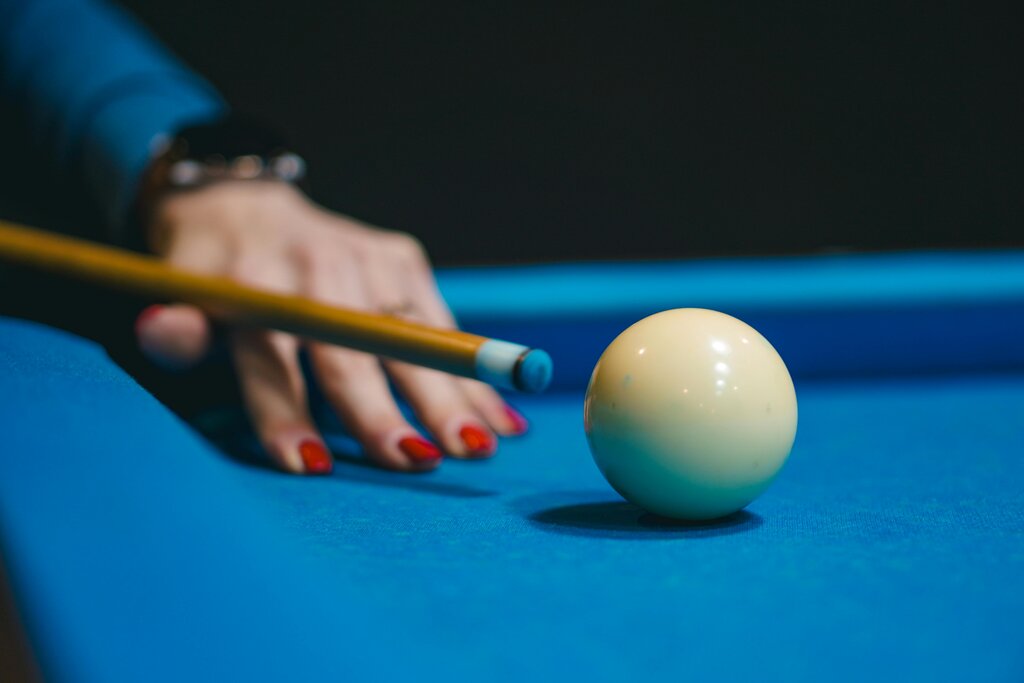
A healthy bumper should feel firm but have a slight give. It should feel resilient, like a brand new rubber eraser. If the bumper feels rock-hard, the rubber has likely petrified and lost its bounce. This is common in older tables or tables exposed to extreme temperature changes.
On the other hand, if the bumper feels mushy or soft, it means the rubber is deteriorating and won't provide a lively rebound. Pay close attention to the areas near the pockets, as these spots often see more action and can wear out faster. Check the entire length of all six rails for consistency.
The Bounce Test
Next, test how the balls rebound. You don't need to be a pro to see if your cushions are lively or dead. Take a ball and roll it firmly by hand from one end of the table to the other, sending it from one short rail to the opposite one.
A ball shot across the table should bounce off at least three or four rails with good speed. If it dies quickly after just one or two bounces, your cushions are likely losing their power.
For a more precise test, place a ball on the head spot (the dot on the head string). Shoot it directly into the foot rail, aiming for the center diamond. The ball should travel back up the table and hit the head rail, ideally near where you shot from. If it falls significantly short, the cushion is dead.
Repeat this test on all rails and in different spots. An inconsistent bounce is just as bad as a dead one. If a ball bounces perfectly off one part of a rail but dies on another, it's impossible to play a predictable game.
Signs of Deterioration
As you perform these tests, you're looking for clear signs of wear. Healthy bumpers feel firm, sound crisp on impact, and produce a lively, predictable bounce. Worn-out bumpers are the opposite.
| Feature | Good Bumper | Bad Bumper |
|---|---|---|
| Feel | Firm with a slight, consistent give | Rock-hard, mushy, or has soft/hard spots |
| Sound | A crisp "thwack" when the ball hits | A dull "thud" or a hollow sound |
| Rebound | Consistent, lively, and predictable | Weak, inconsistent, or dead |
Sometimes you can even see physical signs of aging. Look for cracks along the rubber or places where the bumper is pulling away from the rail. If you notice any of these issues, it's a clear sign that a replacement is needed to bring your table back to life.
Consistent bumpers are the foundation of a predictable game. If your cushions are failing, even perfect shots will go wrong.
Time to see what you've learned. This quiz will test your knowledge on assessing bumper conditions.
When you press your thumb into a healthy pool table bumper, what should it feel like?
When rolling a ball firmly down the length of the table, a healthy set of cushions should cause the ball to bounce off at least how many rails?
By performing these simple checks, you can confidently determine the health of your table's bumpers and decide if it's time for a replacement.