Polyvagal Theory for Firefighter Counseling
Firefighter Neurobiology
The Alarm Bell's Echo
For a firefighter, the world is divided into before and after the alarm. This isn't just a psychological shift; it's a violent physiological event. The sudden, high-decibel tone triggers an instantaneous switch from a state of rest to full-throttle mobilization. This 'alarm-to-action' cycle, repeated over a career, imposes a unique and demanding burden on the autonomic nervous system.
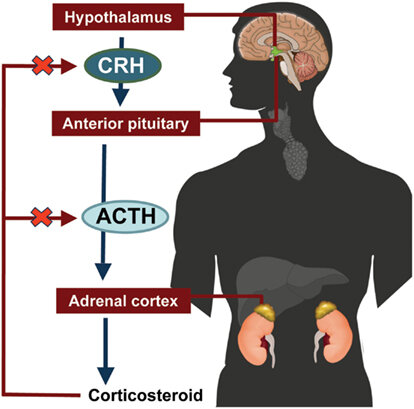
This cumulative wear and tear is known as — the cost of the body's adaptation to chronic stress. Unlike the stress of a looming deadline, a firefighter's allostatic load is compounded by a distinct trio of factors: abrupt sleep fragmentation, extreme thermal stress, and the constant threat of danger. Each call for service is another deposit into an account of physiological debt. The body adapts by remaining in a state of high alert, anticipating the next alarm. Over time, this state of readiness becomes the new, dysregulated baseline.
The Sticking Vagal Brake
To manage our physiological state, the body uses a mechanism called the vagal brake, a function of the ventral vagal nerve pathway. Think of it as the body's braking system, which actively slows the heart rate to promote a state of calm and social engagement. To leap into action, a firefighter must instantly and completely release this brake. The heart rate doesn't just climb; it skyrockets as the sympathetic nervous system takes absolute control.
The problem isn't the rapid acceleration. It's the failure to downshift afterward.
After a call, the system should re-engage the vagal brake, allowing a return to a parasympathetic, 'rest-and-digest' state. In career firefighters, this mechanism often becomes stiff. The brake fails to engage fully, leaving the person physiologically 'stuck' in a state of sympathetic activation. They are home from the fire, but their body is still on scene, ready for the next threat. This inability to downshift is a hallmark of vagal dysregulation in this population.
Hypervigilance
noun
An enhanced state of sensory sensitivity accompanied by an exaggerated intensity of behaviors whose purpose is to detect threats.
Reading the Body's Dashboard
This chronic state of sympathetic dominance can be measured. One of the most telling biomarkers is (HRV), the natural variation in time between heartbeats. A healthy, adaptable nervous system shows high HRV, indicating a flexible balance between sympathetic and parasympathetic inputs. It's a sign that the vagal brake is responsive and functioning well.
Firefighters often exhibit significantly reduced HRV. Their heart beats more like a metronome, a sign that the sympathetic system is firmly in control and the calming influence of the vagal brake is suppressed. This isn't a character flaw; it's a predictable physiological adaptation to an extreme job. This 'stuck' state also makes traditional therapeutic approaches challenging. A client can't logically talk themselves out of a physiological state. Their body's threat-detection system is overriding their cognitive brain. Before addressing trauma through narrative, the primary goal must be to help the nervous system find a state of safety and regulation.
One point that needs emphasis is the fact that most risk factors for coronary heart disease, including smoking, hypertension and diabetes, are associated with autonomic nervous system dysfunction with overactive sympathetic system (fight or flight response), leading to elevation of stress hormones (adrenaline and noradrenaline).
The irregular hours of shift work further disrupt the body's natural circadian rhythms, pouring fuel on the fire of vagal dysregulation. Sleep is the primary time for nervous system repair and regulation. When it's consistently fragmented, the body never gets the chance to fully apply the vagal brake and recover. This creates a vicious cycle of fatigue, hyper-arousal, and a deepening sense of being perpetually on guard.
What is the term for the cumulative physiological wear and tear from the body's adaptation to chronic stress, which is particularly compounded in firefighters?
The primary function of the 'vagal brake' is to:
Understanding these neurobiological underpinnings is crucial. It shifts the focus from 'what's wrong with you?' to 'what's happened to your physiology?' This perspective opens the door to interventions that work with the body, not just the mind.