Polyvagal Theory for Anxiety Relief
Autonomic Nervous System
The Body's Automatic Pilot
Deep down, your body is running a complex operating system you rarely notice. You don't consciously tell your heart to beat, your lungs to breathe, or your stomach to digest. These vital functions happen automatically, managed by a hidden network called the autonomic nervous system, or ANS.
The autonomic nervous system (ANS) is the component of the peripheral nervous system that controls cardiac muscle contraction, visceral activities, and glandular functions of the body.
Think of the ANS as the automatic pilot for your body. Its main job is to maintain balance, a state known as homeostasis. It keeps your internal environment stable, whether you're sleeping soundly or running a marathon. The ANS is a division of the peripheral nervous system, which connects your brain and spinal cord to the rest of your body.
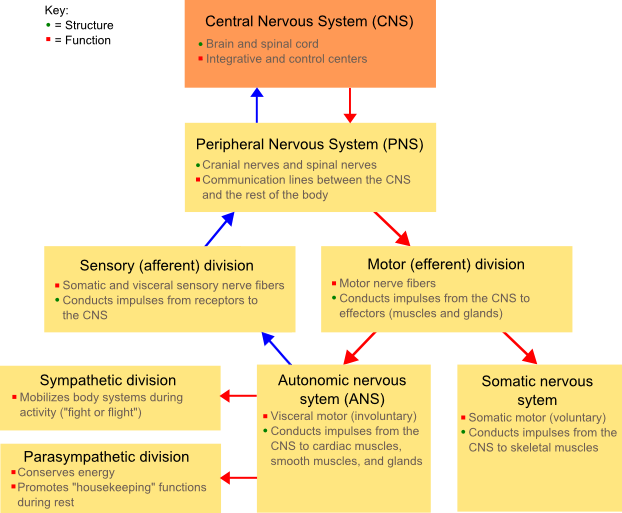
This system has two main branches that work in opposition, like a gas pedal and a brake. They can't both be fully active at the same time. One prepares you for action, while the other helps you calm down and conserve energy.
The Gas Pedal: Fight or Flight
The sympathetic nervous system is your body's accelerator. It kicks into gear when you face a threat, a challenge, or something stressful. This is famously known as the 'fight or flight' response.
Imagine you're walking in the woods and hear a twig snap behind you. Instantly, your sympathetic system takes over. Your heart pounds, sending more oxygen-rich blood to your muscles. Your breathing quickens. Your pupils dilate to let in more light, sharpening your vision. Digestion and other non-essential functions slow down to conserve energy for a potential escape or confrontation.
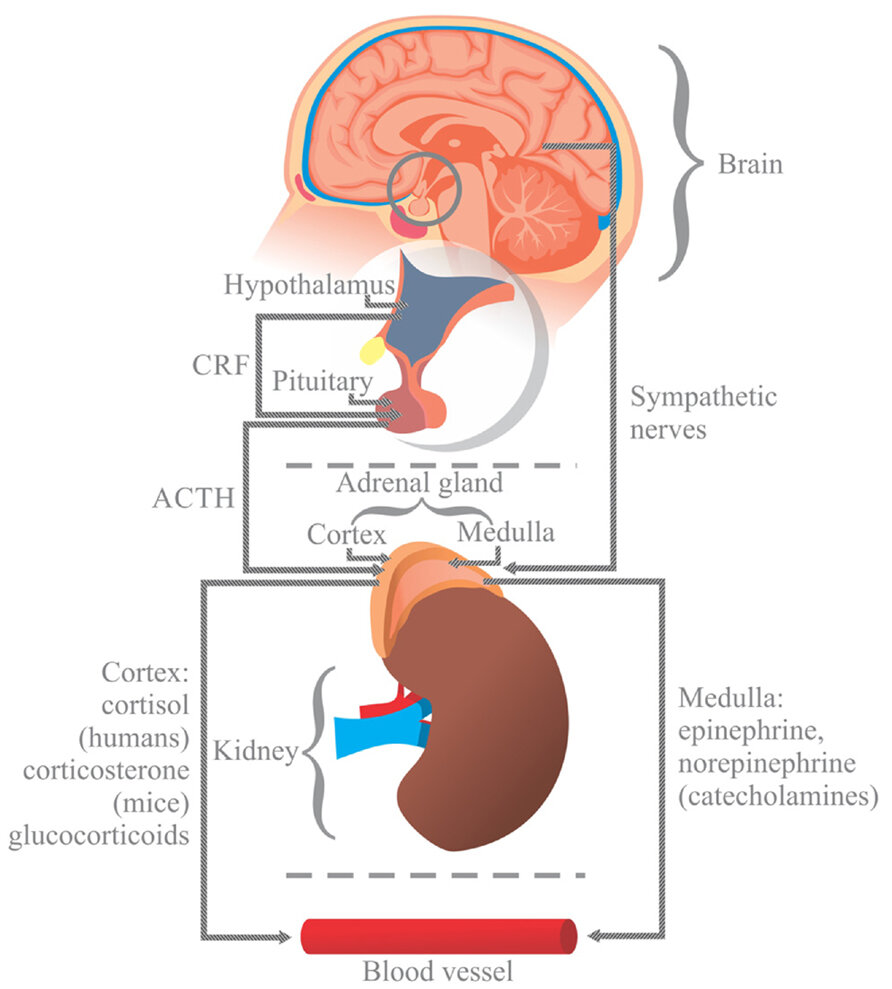
This response is designed for survival. It floods your body with adrenaline, giving you a burst of energy and strength. It's an ancient, powerful system that prepares you to handle immediate danger, whether that danger is a predator in the wild or a looming deadline at work.
The Brakes: Rest and Digest
Once the perceived threat is gone, your body needs to calm down. That's the job of the parasympathetic nervous system. It acts as the brakes, gently slowing everything down and bringing your body back to a state of equilibrium. This is often called the 'rest and digest' state.
When the parasympathetic system is dominant, your heart rate slows, your breathing becomes deeper and more regular, and your digestive system gets back to work.
This is the state you're in when you're relaxing after a meal, reading a book, or feeling safe and content. The parasympathetic system conserves energy, promotes cell growth and repair, and handles the long-term housekeeping functions of the body. It’s essential for recovery, health, and well-being.
The constant interplay between these two systems allows your body to adapt to the demands of your environment. Understanding this balance is the first step toward learning how to manage your body's reactions to stress and anxiety.
Ready to check your understanding?
What is the primary function of the autonomic nervous system (ANS)?
Imagine you are about to give a major presentation and you feel your heart pounding and your palms getting sweaty. Which system is responsible for this 'fight or flight' reaction?