Polyvagal Theory Dorsal Vagal State
Introduction to Polyvagal Theory
Your Nervous System's Inner Ladder
Have you ever wondered why you feel calm and connected one moment, then jumpy and anxious the next? Or why you sometimes feel completely numb and shut down? The answer might lie in your autonomic nervous system (ANS), the intricate wiring that runs your body's automatic functions like breathing, heart rate, and digestion.
Polyvagal Theory, developed by scientist Dr. Stephen Porges, gives us a map to this internal world. It explains how our nervous system is constantly scanning the environment for cues of safety or danger, and shifting our state accordingly. It’s not about what you consciously think, but what your body feels on a primal level.
At its core, the Polyvagal Theory explains how the nervous system reacts to environmental cues of safety and danger, shaping our emotional and behavioral responses.
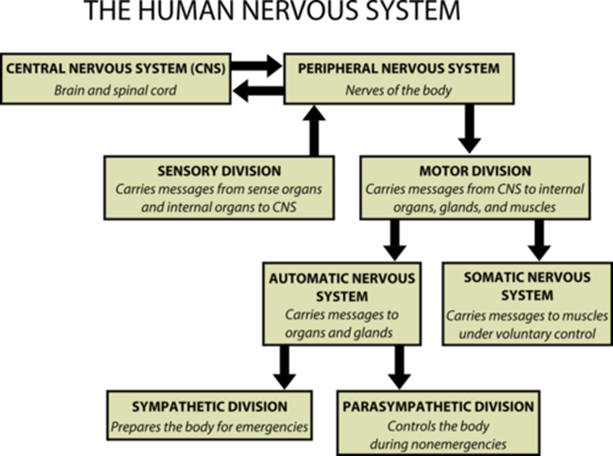
Think of the ANS as having two main branches. The sympathetic nervous system is your body's gas pedal. It gets you ready for action, mobilizing energy for what it perceives as a challenge. The parasympathetic nervous system is the brake, helping you rest, digest, and recover. Polyvagal Theory adds a crucial layer of detail, especially about the 'brake' system.
The Wandering Nerve
The star of this theory is the vagus nerve. 'Vagus' is Latin for 'wandering,' which is a fitting name for this long nerve that travels from the brainstem down into the chest and abdomen, connecting with nearly every major organ.
Dr. Porges proposed that the vagus nerve actually has two distinct pathways, each with a different job:
-
Ventral Vagal Pathway: This is the newer, more evolved part of the nerve, unique to mammals. It's the 'smart' brake, helping us feel safe, calm, and socially engaged. It connects to the muscles of the face, throat, and inner ear, which is why our facial expressions and tone of voice are so tied to our feelings of connection.
-
Dorsal Vagal Pathway: This is a much older, more primitive pathway. It acts as an emergency brake, triggering a shutdown or 'freeze' response when we face an overwhelming threat.
Your nervous system is constantly, unconsciously scanning for threats. This process is called neuroception. It’s your body’s personal surveillance system, deciding if you're safe enough to relax, if you need to mobilize, or if you need to shut down to survive.
Neuroception
noun
The nervous system's unconscious process of detecting and responding to cues of safety, danger, or life-threat in the environment.
The Three States of Being
Polyvagal Theory organizes these responses into a clear hierarchy. Think of it as a ladder. When you're at the top, you feel safe and everything is working smoothly. As you sense danger, you start to climb down the ladder into older, more primitive survival states.
1. Ventral Vagal (Top of the Ladder): This is your state for connection and safety. When your ventral vagal system is online, you feel grounded and calm. You can connect with others, learn new things, and feel hopeful. Your breathing is regular, your heart rate is steady, and you can hear and respond to friendly human voices.
In the Ventral Vagal state, you feel safe, happy, and engaged. Your body is in balance.
2. Sympathetic (Middle of the Ladder): If your neuroception picks up a cue of danger, your body kicks into mobilization mode. The sympathetic nervous system takes over. Your heart pounds, your breathing quickens, and adrenaline floods your system. This is the classic 'fight-or-flight' response, designed to help you confront a threat or escape it. You feel anxious, angry, or panicked.
3. Dorsal Vagal (Bottom of the Ladder): When the threat seems too big to fight or flee, the nervous system can slam on the oldest emergency brake we have: the dorsal vagal pathway. This leads to immobilization or shutdown. You might feel numb, disconnected, hopeless, or 'frozen.' Your heart rate and blood pressure drop, and you essentially conserve energy to survive what feels like an inescapable threat.
We move up and down this ladder throughout the day. Hearing a loud, unexpected noise might knock you down into sympathetic activation for a moment, but a reassuring smile from a friend can bring you right back up to the ventral vagal state of safety and connection.
What is the primary function of the autonomic nervous system (ANS)?
The unconscious process of scanning the environment for cues of safety or danger is known as:
Understanding these states is the first step in learning to work with your nervous system. By recognizing where you are on the ladder, you can begin to understand your own reactions and find ways to gently guide yourself back toward a feeling of safety.