Polymer Clay Sculpting Essentials
Introduction to Polymer Clay
What is Polymer Clay?
Polymer clay is a type of modeling clay with a unique quality: it stays soft and workable indefinitely until you bake it in an oven. Once baked, it becomes a hard, durable plastic. This makes it perfect for creating detailed sculptures, jewelry, and miniatures that last.
At its core, polymer clay is made of polyvinyl chloride (PVC) particles suspended in a liquid plasticizer. Think of the PVC as a very fine flour and the plasticizer as the oil that binds it together. This combination gives the clay its smooth, pliable texture. When you bake it, the PVC particles fuse together, creating a solid, permanent piece.
Polymer clay is a sculptable material used by artists, hobbyists and children that can be baked and hardened permanently.
Unlike natural clays that need a high-temperature kiln, polymer clay cures at much lower temperatures, typically between 230-275°F (110-135°C), which is easily achieved in a home oven. This accessibility is a big part of its appeal.
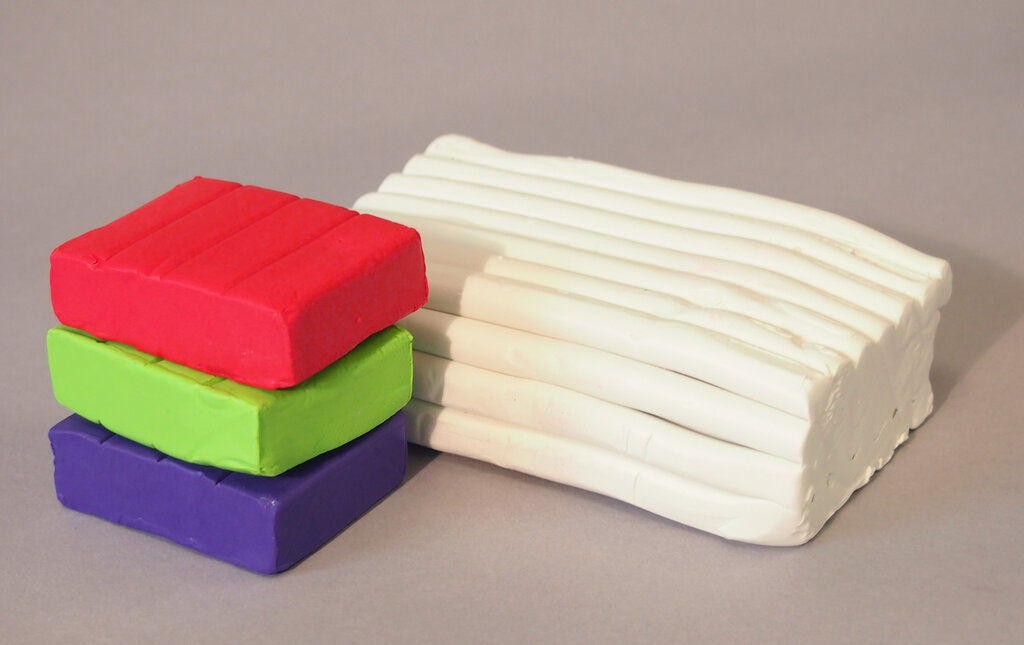
Choosing Your Clay
Walk into any craft store and you'll find a variety of polymer clay brands. While they're all fundamentally similar, they have different working properties. Some are soft and easy to condition right out of the package, making them great for beginners. Others are firmer, which allows for sharper details and less risk of fingerprints.
| Brand | Common Characteristics |
|---|---|
| Sculpey | Very soft, easy to knead. Great for beginners. |
| Fimo | A bit firmer than Sculpey, holds detail well. |
| Kato Polyclay | Quite firm, known for durability after baking. |
| Cernit | Becomes very flexible after baking. Popular for dolls. |
There's no single "best" brand. The right choice depends on your project and personal preference. It's a good idea to experiment with a few different types to see which one you enjoy working with the most.
Essential Tools and Workspace
You don't need a lot of fancy equipment to start sculpting with polymer clay. A few basic tools will get you very far.
First, you need a dedicated work surface. Polymer clay can damage wood finishes, so it's important to protect your table. A smooth ceramic tile, a sheet of glass, or a silicone craft mat works perfectly. These surfaces are also great because you can bake your creations directly on them.
Next, you'll need tools for cutting and shaping. A simple craft knife or a thin, flexible blade is essential for getting clean cuts. For rolling out flat, even sheets of clay, an acrylic roller is ideal. Some artists even use a dedicated pasta machine to quickly condition their clay and create uniform slabs.
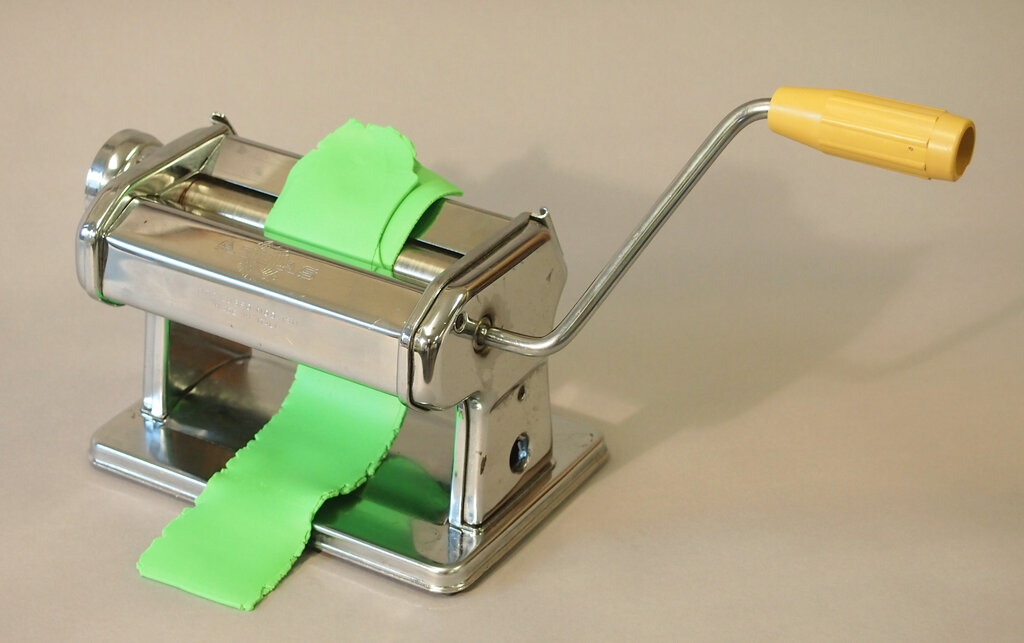
For adding details, you can start with simple items like toothpicks and needles. As you advance, you might want to get a set of ball styluses, which are great for smoothing surfaces and creating indentations.
Key Tools Checklist:
- Work Surface: Ceramic tile or glass.
- Cutting: Craft blade.
- Rolling: Acrylic roller or pasta machine.
- Shaping: Needle tool or toothpick.
Working Safely
Polymer clay is non-toxic, but it's important to follow a few simple safety guidelines. Since you're working with a plastic-based material, you should never use tools or surfaces for clay that you also use for food. Keep your sculpting tools and your kitchen utensils separate.
Always wash your hands thoroughly after handling polymer clay, and avoid touching your face and mouth while you work. It's best not to eat or drink in your work area to prevent any accidental ingestion.
By keeping your workspace clean and following these basic rules, you can ensure that your sculpting experience is both fun and safe.