Political Strategy of Civil Disobedience
Shift to Purna Swaraj
From Self-Rule to Sovereignty
By the late 1920s, the Indian independence movement was at a crossroads. The energy of the Non-Cooperation Movement had faded, and a sense of stagnation had set in. The Indian National Congress (INC) had been pushing for 'Swaraj', or self-rule, but its precise meaning remained ambiguous. For many older leaders, it meant Dominion Status within the British Empire, similar to Canada or Australia. But a younger, more radical faction was growing impatient with this gradualist approach.
In 1928, an all-parties conference produced the , a proposed constitution for India drafted primarily by Motilal Nehru. It was a detailed blueprint for an Indian-governed state, but it stopped short of demanding full independence, asking instead for Dominion Status. The British government largely ignored the report. This dismissal, combined with internal disagreements, meant the report was dead on arrival. The younger generation in the INC, led by figures like Jawaharlal Nehru and Subhas Chandra Bose, felt that the demand for Dominion Status was too weak and had failed to inspire either the masses or the British.
The Lahore Session
The turning point came in December 1929 at the INC's annual session in Lahore. Under the presidency of a newly elected and influential , the mood was defiant. The lukewarm demand for Dominion Status was officially abandoned. In its place, the Congress passed a historic resolution demanding ''—complete independence.
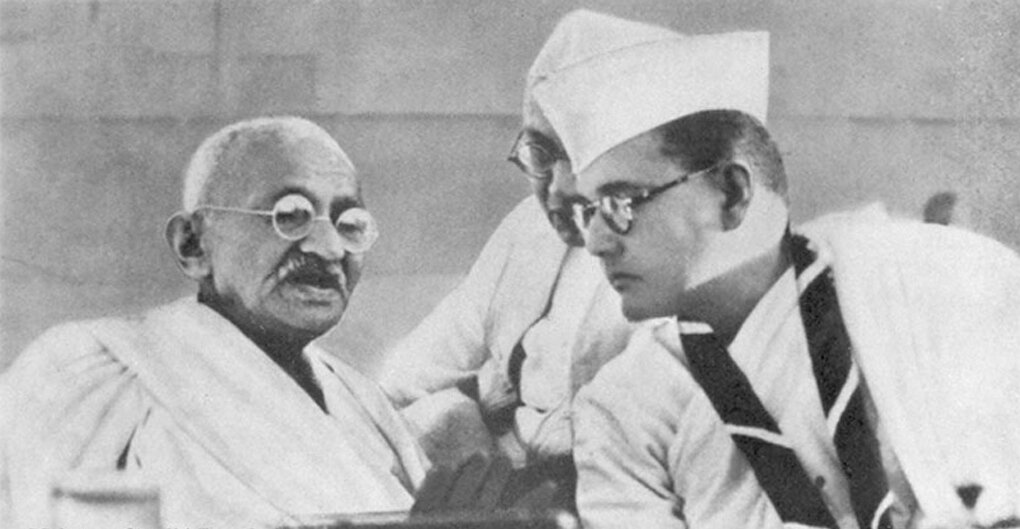
At midnight on 31 December 1929, on the banks of the Ravi River, Nehru hoisted the newly adopted tricolour flag of India. It was a powerful act of political theatre, signalling a definitive break with the past.
The resolution was more than a statement; it was a strategic pivot. It ended the debate on goals and focused all energy towards a single, unambiguous objective: complete freedom from British rule.
A New Day for Independence
To cement this new resolve in the public consciousness, the INC announced that 26 January 1930 would be observed as 'Independence Day'. On this day, people across India were called upon to gather and take a pledge of independence. This was a masterstroke of mass mobilisation, transforming a political resolution into a national event.
The pledge declared it a 'crime against man and God to submit any longer' to British rule. It asserted the inalienable right of the Indian people to have freedom and to enjoy the fruits of their toil.
The shift to Purna Swaraj was not merely semantic. It provided the ideological foundation for the next major wave of protest, the Civil Disobedience Movement, and set a clear, non-negotiable mandate. The demand for constitutional reform was over. The struggle for complete sovereignty had begun.
Now, test your understanding of this pivotal moment in India's journey to freedom.
What was the primary constitutional status demanded by the Nehru Report of 1928?
Who was the president of the Indian National Congress during the pivotal Lahore session in December 1929?